










How Seasonal Living Is Making a Quiet Comeback in Cities
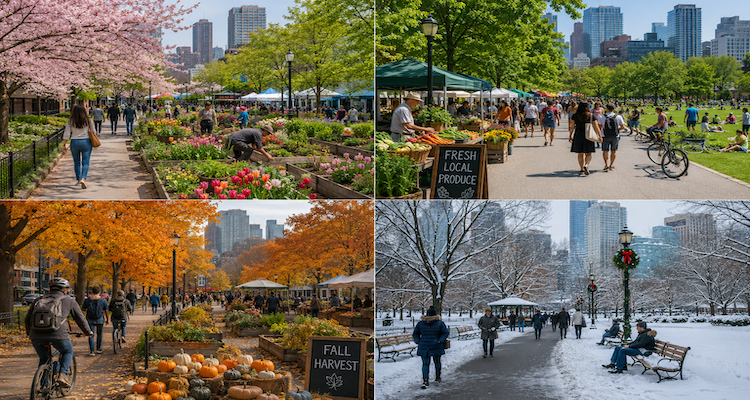
There was a time when daily life naturally followed the rhythm of the seasons. Meals changed with local harvests, wardrobes adapted to shifting weather, homes were rearranged for comfort, and community activities reflected nature’s pace. Urban life, however, gradually moved away from these patterns. Climate-controlled buildings, global supply chains, and on-demand services made it possible to live almost the same way throughout the year.
Yet a subtle shift is taking place. Across many cities, people are rediscovering the value of seasonal living not as a nostalgic return to the past, but as a practical response to modern challenges. Rising temperatures, environmental concerns, growing interest in well-being, and a desire for a slower, more intentional lifestyle are encouraging urban residents to reconnect with seasonal rhythms in surprising ways.
Rather than rejecting city life, seasonal living is evolving into a contemporary urban habit that blends convenience with awareness. The movement is influencing everything from food choices and home design to work routines and neighborhood culture.
Rediscovering Nature Without Leaving the City
Seasonal living does not necessarily mean moving to the countryside or adopting a self-sufficient lifestyle. Instead, it encourages people to notice and respond to natural changes that still exist within cities.
Urban parks, rooftop gardens, local farmers’ markets, cycling routes, and community green spaces are becoming more meaningful as residents seek closer connections with the changing environment. A walk beneath flowering trees in spring or an evening in a shaded park during summer becomes more than recreation, it becomes part of a lifestyle that values seasonal experiences.
Many city planners have also begun designing public spaces that encourage year-round outdoor activity. Tree-lined streets, rain gardens, shaded walkways, and flexible public squares help neighborhoods adapt to changing weather while improving residents’ quality of life.
Food Habits Are Becoming More Seasonal Again
One of the clearest signs of seasonal living is appearing on dinner tables.
Consumers are increasingly interested in fruits and vegetables that naturally grow during particular times of the year. Local produce often reaches markets fresher, requires fewer transportation resources, and supports regional agriculture.
Restaurants are responding by rotating seasonal menus instead of offering identical dishes year-round. Farmers’ markets continue to attract urban shoppers looking for fresh ingredients and a stronger connection to local food systems.
This shift is not simply about taste. Seasonal eating often encourages dietary variety, introduces forgotten ingredients, and helps people become more aware of how food reaches their plates.
Homes Are Adapting to the Seasons Once More
For decades, modern homes relied heavily on heating and air conditioning to maintain a constant indoor environment. While these technologies remain essential, many households are reconsidering how home design can work with natural conditions rather than against them.
Residents are embracing lighter fabrics during warmer months, thicker curtains during winter, natural ventilation, indoor plants, and flexible furniture arrangements that improve comfort throughout the year.
Architects are also paying greater attention to passive design principles such as natural lighting, cross-ventilation, insulated materials, and shaded outdoor areas. These approaches can reduce energy use while making homes feel more connected to seasonal changes.
Instead of creating identical indoor environments every day of the year, many homeowners are learning to appreciate subtle changes in temperature, light, and atmosphere.
Work Culture Is Slowly Following Seasonal Rhythms
Perhaps one of the most overlooked changes is happening in the workplace.
Hybrid work has given many employees greater flexibility over when and where they work. Some people adjust their routines according to daylight hours, weather conditions, or personal energy levels.
Outdoor meetings, walking discussions, flexible lunch breaks, and seasonal wellness initiatives are becoming more common in certain organizations. Companies are also recognizing that employee productivity does not always follow a fixed annual pattern.
Although traditional office schedules remain dominant, there is growing recognition that aligning work environments with seasonal conditions can contribute to employee well-being and engagement.
Climate Awareness Is Changing Everyday Decisions
Extreme heat, heavier rainfall, prolonged droughts, and changing weather patterns have made seasonal awareness more practical than symbolic.
City residents are paying closer attention to cooling strategies during summer, water conservation during dry periods, and home preparation before storms. Seasonal living is increasingly viewed as a way to build resilience rather than simply embrace tradition.
Urban communities are organizing tree-planting initiatives, neighborhood gardening projects, and local environmental campaigns that respond directly to seasonal challenges.
These activities reflect a broader understanding that adapting to seasonal conditions may become increasingly important as cities face evolving climate pressures.
Digital Life Is Reinforcing the Trend
Ironically, technology is helping people reconnect with natural cycles.
Weather apps, gardening platforms, local food marketplaces, air quality monitors, and smart home systems allow residents to make more informed seasonal decisions. Wearable devices also encourage outdoor activity by tracking exercise, sunlight exposure, and daily movement.
Social media has contributed to the popularity of seasonal habits as creators share recipes, home decoration ideas, gardening projects, seasonal fashion, and wellness routines tailored to different times of the year.
Instead of replacing nature, digital tools are increasingly acting as guides that help people notice and respond to seasonal changes more intentionally.
The Hidden Shift: Seasonal Living Is Becoming a Form of Urban Resilience
The growing interest in seasonal living reflects something deeper than lifestyle preferences.
For many years, cities prioritized consistency. Products were available year-round, workplaces expected uniform performance regardless of season, and indoor environments minimized natural variation. While this brought convenience, it also distanced people from environmental rhythms.
Today’s renewed interest suggests that many urban residents are seeking balance rather than constant optimization.
Living seasonally encourages people to adjust expectations instead of constantly resisting change. It promotes flexibility, mindfulness, and local engagement. Rather than viewing changing weather as an inconvenience, seasonal living invites people to adapt their routines in ways that may improve comfort, reduce environmental impact, and strengthen community connections.
This shift also reflects changing consumer values. Experiences are increasingly replacing possessions as markers of quality of life. Seasonal festivals, local harvest events, outdoor markets, neighborhood walks, and nature-focused activities provide meaningful experiences that cannot be replicated by digital convenience alone.
Businesses Are Paying Attention
Brands across multiple industries have noticed the appeal of seasonal lifestyles.
Retailers are introducing collections inspired by seasonal transitions instead of rapid trend cycles. Hospitality businesses are creating experiences tied to local weather and regional traditions. Wellness companies are offering seasonal fitness programs, nutrition guidance, and mindfulness practices.
Food delivery platforms increasingly highlight seasonal ingredients, while home improvement businesses emphasize energy-efficient products designed for changing weather conditions.
These developments suggest that seasonal living is becoming both a cultural movement and an economic opportunity.
What Comes Next?
Seasonal living is unlikely to replace the conveniences of modern urban life. Instead, it appears to be reshaping how cities balance technology, sustainability, and human well-being.
Future urban neighborhoods may place even greater emphasis on climate-responsive architecture, flexible public spaces, biodiversity, local food networks, and community events that celebrate seasonal change.
As environmental awareness grows and people seek healthier, more meaningful lifestyles, seasonal living may become less of a trend and more of an everyday habit.
The return of seasonal living is not about turning back the clock. It is about rediscovering that even in the busiest cities, life becomes richer when people notice the changing world around them and allow those changes to shape how they live.
This content is published for informational or entertainment purposes. Facts, opinions, or references may evolve over time, and readers are encouraged to verify details from reliable sources.