









How Outdoor Recreation Booms Are Quietly Reshaping Nature
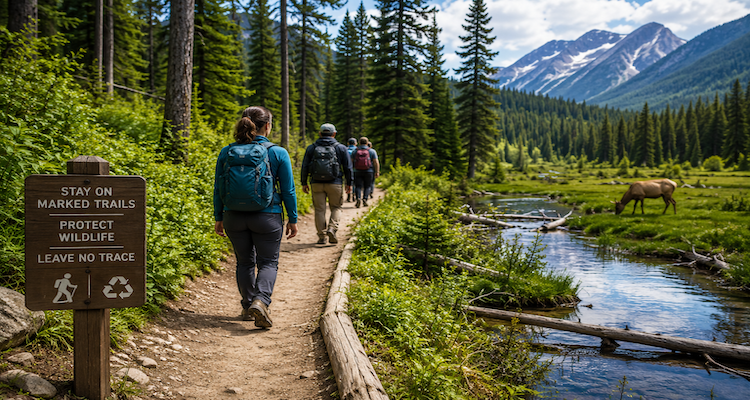
Hiking trails that were once known only to local communities are now filled with visitors. Remote lakes appear daily on social media feeds. Mountain bike routes, camping destinations, and scenic viewpoints have become weekend hotspots, drawing record numbers of outdoor enthusiasts eager to reconnect with nature.
This renewed appreciation for the outdoors has brought undeniable benefits. More people are discovering the value of green spaces, supporting local tourism, and developing a stronger interest in conservation. Yet beneath this encouraging trend lies a less visible story: nature itself is struggling to keep pace with its growing popularity.
The environmental impact of outdoor recreation is no longer limited to obvious problems like litter or overcrowded campsites. Scientists, land managers, and conservation organizations are increasingly paying attention to subtle ecological changes that accumulate over time. As recreation expands, ecosystems are being reshaped in ways that many visitors never notice, raising an important question: can people enjoy nature without unintentionally changing it?
Nature Is Becoming a Victim of Its Own Popularity
The rise in outdoor recreation reflects broader cultural shifts. Flexible work arrangements, growing awareness of mental health, and easy access to travel information have encouraged millions of people to spend more time outside. Digital mapping apps and social media have also transformed hidden natural gems into globally recognized destinations almost overnight.
While increased visitation often brings economic opportunities for nearby communities, ecosystems are not designed to absorb unlimited human activity. Trails widen as hikers step around muddy sections. Vegetation becomes compacted under repeated foot traffic. Sensitive habitats that once experienced seasonal visitors now receive constant use throughout the year.
These small disturbances may appear insignificant individually, but together they can permanently alter landscapes.
Wildlife Often Changes Before People Notice
One of the least visible effects of recreational growth involves animal behavior rather than habitat destruction.
Many species rely on predictable routines for feeding, breeding, and avoiding predators. Frequent human presence can interrupt these patterns, even when visitors follow park rules.
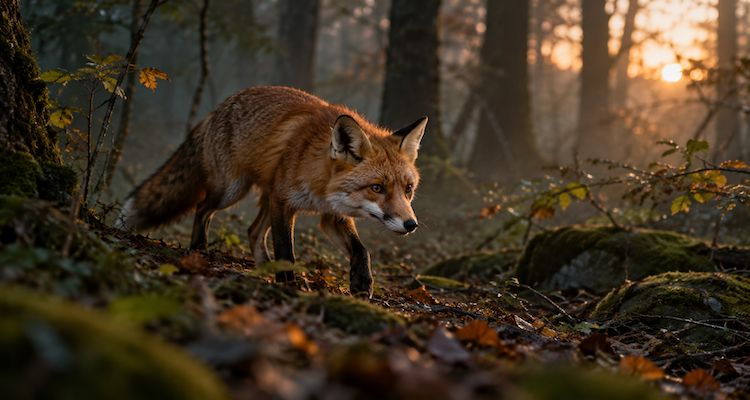
Birds may abandon nesting sites located near busy trails. Mammals often shift to more nocturnal activity to avoid daytime recreation. Some species move deeper into forests, while others become increasingly accustomed to humans, creating new challenges for both wildlife and visitors.
These behavioral adaptations do not always indicate resilience. In some cases, they represent long-term stress that affects reproduction, survival, and ecosystem balance.
Protected areas increasingly face the challenge of managing human enjoyment alongside wildlife needs, especially during breeding seasons and migration periods.
The Hidden Cost Beneath Our Feet
The most noticeable environmental changes are often above ground, but many of the most significant occur below the surface.
Repeated foot traffic compresses soil, reducing its ability to absorb water and support plant roots. Compacted soil also increases runoff during heavy rainfall, accelerating erosion and transporting sediment into nearby streams.
Over time, damaged trails require expensive maintenance while surrounding vegetation struggles to recover naturally.
This process becomes particularly problematic in alpine environments, deserts, wetlands, and coastal ecosystems, where plants may require years or even decades to recover from relatively minor disturbances.
Unlike visible litter, soil degradation develops gradually, making it easy for visitors to underestimate its ecological significance.
Social Media Is Changing Recreation Patterns
Perhaps the most unexpected driver of ecological pressure is digital culture.
A single viral photograph can transform an obscure waterfall, wildflower meadow, or cliffside viewpoint into a major tourist attraction within days. Places that previously lacked parking, waste facilities, or designated trails suddenly receive thousands of visitors.
This phenomenon challenges traditional conservation planning.
Instead of gradually adapting to increasing demand, land managers often find themselves responding to rapid spikes in visitation fueled by online trends.
The result is a cycle in which popularity spreads faster than infrastructure can adapt, leaving fragile ecosystems exposed before protective measures can be implemented.
Recreation Is Expanding Beyond National Parks
Outdoor recreation is no longer concentrated only in famous parks or protected reserves.
Urban forests, local wetlands, agricultural landscapes, community nature reserves, and coastal areas are experiencing increasing recreational use. Activities such as trail running, gravel cycling, paddleboarding, wildlife photography, and nature-based wellness retreats have diversified where and how people interact with natural environments.
This broader distribution offers some environmental advantages by reducing pressure on iconic destinations.
However, it also exposes previously quiet ecosystems to recreational impacts that local conservation programs may not be equipped to manage.
Many smaller protected areas operate with limited funding, making visitor education and habitat monitoring increasingly important.
Conservation Is Becoming More Collaborative
The growing popularity of outdoor recreation has also inspired new approaches to conservation.
Rather than restricting access entirely, many organizations are encouraging responsible recreation through education, better infrastructure, and community participation.
Clearly marked trails help reduce habitat fragmentation. Seasonal closures protect nesting birds and sensitive wildlife. Boardwalks minimize damage in wetlands, while designated viewing areas reduce trampling around popular viewpoints.
Volunteer programs that involve hikers, cyclists, climbers, and local residents are becoming valuable tools for trail maintenance and habitat restoration.
This collaborative approach recognizes an important reality: people who develop meaningful connections with nature often become its strongest advocates.
A New Relationship Between Recreation and Responsibility
Outdoor recreation reflects something larger than tourism or leisure. It represents a cultural movement toward healthier lifestyles, environmental appreciation, and experiences that prioritize time in nature over material consumption.
Yet this shift also introduces a new responsibility.
The environmental footprint of recreation is rarely dramatic enough to dominate headlines, but its cumulative effects can reshape ecosystems over decades. Every shortcut across vegetation, every disturbance to wildlife, and every overcrowded viewpoint contributes to broader ecological pressures that are difficult to reverse.
Perhaps the most important insight is that conservation success increasingly depends not only on protecting remote wilderness but also on managing ordinary human behavior in everyday outdoor spaces.
Simple choices staying on marked trails, respecting seasonal closures, avoiding wildlife disturbance, carrying out waste, and supporting local conservation initiatives can collectively reduce ecological impacts without limiting people’s ability to enjoy nature.
Looking Ahead
Outdoor recreation is expected to remain an important part of modern life as communities continue investing in parks, trails, and nature-based tourism. Climate awareness, wellness trends, and digital connectivity are likely to sustain public interest in spending time outdoors.
The challenge is ensuring that increased access does not unintentionally undermine the landscapes people seek to experience.
Future conservation efforts will likely focus less on discouraging visitors and more on designing recreation that works with ecological systems rather than against them. Smarter trail planning, visitor education, habitat restoration, and technology that helps distribute visitor numbers across multiple destinations may all play growing roles.
Nature has proven remarkably resilient throughout history, but resilience is not limitless. As outdoor recreation continues to flourish, its long-term success may ultimately depend on a simple principle: enjoying wild places while leaving as little trace as possible.
This content is published for informational or entertainment purposes. Facts, opinions, or references may evolve over time, and readers are encouraged to verify details from reliable sources.