










Why Your Sense of Smell May Reveal More About Your Health Than You Think
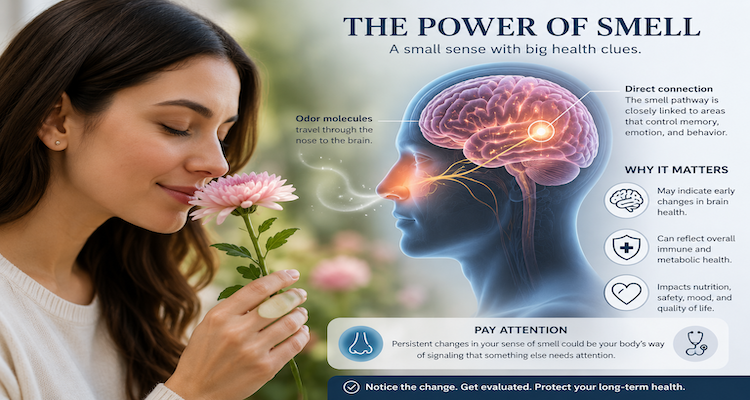
Most people notice their sense of smell only when it’s gone. A blocked nose during a cold, the aroma of fresh coffee that suddenly seems faint, or an inability to detect smoke from a nearby kitchen can all be fleeting inconveniences. Yet researchers and clinicians are increasingly recognizing that changes in smell can sometimes provide valuable clues about what’s happening elsewhere in the body.
Unlike vision or hearing, smell is closely linked to brain function, memory, emotions, and even immune responses. Because of these connections, subtle changes in the ability to detect or recognize odors may occasionally appear before more obvious health symptoms emerge. While a diminished sense of smell is not a diagnosis on its own, paying attention to it could encourage earlier conversations with healthcare professionals and, in some cases, earlier detection of underlying conditions.
More Than Just Enjoying Food
Smell shapes daily life in ways many people rarely consider. It enhances flavor, warns us about dangers such as smoke or spoiled food, and influences emotional experiences tied to memories and places.
When smell begins to fade, many people initially blame allergies, aging, or a lingering cold. Those explanations are often correct. Temporary smell loss is common after viral infections or nasal congestion. However, persistent or unexplained changes deserve closer attention because they may reflect more than a problem inside the nose.
Healthcare providers increasingly view smell as an important sensory function rather than a minor convenience. Its decline can affect nutrition, emotional well-being, safety, and overall quality of life.
Why the Nose Has a Direct Line to the Brain
The human sense of smell is unusual because odor signals travel directly to brain regions involved in emotion and memory without passing through several processing stages used by other senses.
This close relationship explains why certain scents instantly trigger vivid memories. It also helps explain why neurological changes can sometimes influence smell before affecting movement, speech, or memory in more noticeable ways.
Scientists continue to investigate how smell testing may contribute to understanding brain health. Although smell changes alone cannot diagnose neurological diseases, they may become one piece of a broader clinical assessment alongside imaging, cognitive evaluations, and medical history.
When Smell Changes Could Signal Something Else
There are many possible reasons for a reduced sense of smell, and most are not serious. Common causes include:
- Seasonal allergies
- Sinus infections
- Nasal polyps
- Common colds
- COVID-19 and other viral illnesses
- Certain medications
- Smoking
- Natural aging
However, healthcare professionals may also consider smell loss alongside other symptoms when evaluating conditions affecting the nervous system or overall health.
Researchers have explored associations between smell dysfunction and disorders such as Parkinson’s disease, Alzheimer’s disease, diabetes, and some autoimmune or metabolic conditions. These relationships are still being studied, and having smell loss does not mean someone has these illnesses. Instead, the symptom may prompt further evaluation when combined with other clinical findings.
This distinction is important. Smell should be viewed as a potential indicator—not a standalone diagnosis.
The Lasting Lessons From the Pandemic
The COVID-19 pandemic dramatically changed public awareness of smell.
For millions of people, losing the ability to smell or taste became one of the earliest recognizable symptoms of infection. What was once considered a relatively obscure medical issue suddenly became part of everyday conversation.
That experience had an unexpected benefit. It highlighted how closely smell is connected to nutrition, mental health, and quality of life. Many people recovering from COVID-19 described frustration, anxiety, or even depression when familiar scents disappeared or became distorted.
Clinicians also gained greater appreciation for smell testing and rehabilitation techniques, such as smell training, which may help some individuals recover olfactory function after certain viral illnesses under medical guidance.
The Hidden Impact on Everyday Life
A weakened sense of smell affects far more than meals.
People may struggle to detect gas leaks, smoke, spoiled food, or chemical hazards. They may lose interest in eating because flavors become muted, potentially affecting nutrition over time.
Social experiences can change as well. Smell contributes to personal confidence, emotional comfort, and even interpersonal relationships. Losing this sense may leave people feeling disconnected from familiar routines and memories.
These practical effects are one reason medical experts increasingly encourage people not to ignore persistent smell changes.
An Emerging Shift in Preventive Healthcare
Medicine is gradually placing greater emphasis on identifying health problems before they become severe.
Blood pressure monitoring, cholesterol screening, sleep tracking, and wearable health devices all reflect this broader movement toward early detection. Interest in smell fits within the same trend.
Rather than waiting for major symptoms to develop, clinicians are exploring whether simple sensory assessments could provide additional insights into overall health.
This does not mean smell tests will become universal screening tools overnight. Many questions remain about how best to interpret results across different ages and medical conditions. Still, the growing research reflects a larger shift: seemingly ordinary body functions may contain valuable health information that was previously overlooked.
Why Paying Attention Matters
One of the most important lessons is not that every change in smell indicates illness, it doesn’t.
Instead, the key message is awareness.
Persistent smell changes that cannot be explained by a cold, allergies, or another obvious cause deserve discussion with a healthcare professional, particularly if accompanied by other symptoms such as memory concerns, movement changes, chronic nasal problems, or unexplained weight loss.
Early evaluation can help identify treatable conditions, rule out more serious possibilities, or simply provide reassurance.
Ignoring symptoms because they seem minor can sometimes delay appropriate care, while paying attention encourages informed decision-making without unnecessary alarm.
What You Can Do If You Notice a Change
If your sense of smell seems reduced or altered for several weeks, consider observing when the change began, whether it affects all scents, and whether other symptoms are present.
Avoid relying solely on home tests or internet searches for answers. Persistent smell loss should be assessed by a qualified healthcare provider, who may recommend further examination or referral depending on the suspected cause.
Maintaining nasal health, avoiding smoking, managing allergies when appropriate, and following medical advice during recovery from respiratory illnesses may also support healthy olfactory function.
A Small Sense With Big Health Clues
Smell rarely attracts attention until it changes, yet it quietly supports safety, nutrition, emotional well-being, and everyday enjoyment.
Growing scientific interest suggests that this often-overlooked sense may offer useful insights into broader health, particularly when considered alongside other medical information. While a diminished sense of smell should never be interpreted as proof of a specific disease, it is increasingly recognized as a symptom worth noticing rather than dismissing.
Sometimes the body’s earliest signals are subtle. Listening to them and seeking professional advice when something feels different, can be an important part of protecting long-term health.
This article is provided for general informational and educational purposes. It is not medical advice, diagnosis, or a substitute for consultation with a qualified healthcare professional. Health evidence can change, and individual circumstances vary.