









Why Unlimited Online Courses Can Make Learning Harder
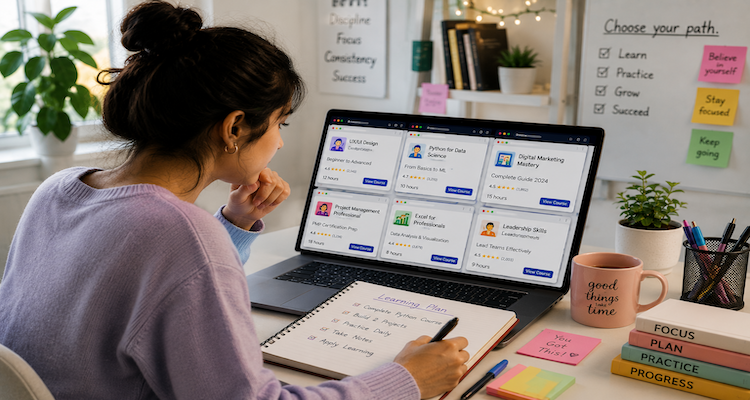
The promise of online learning has never been more attractive. Thousands of courses are available on nearly every subject imaginable, often for less than the price of a single textbook. Whether someone wants to master artificial intelligence, improve public speaking, learn a new language, or earn a professional certification, the answer seems simple: enroll in another course.
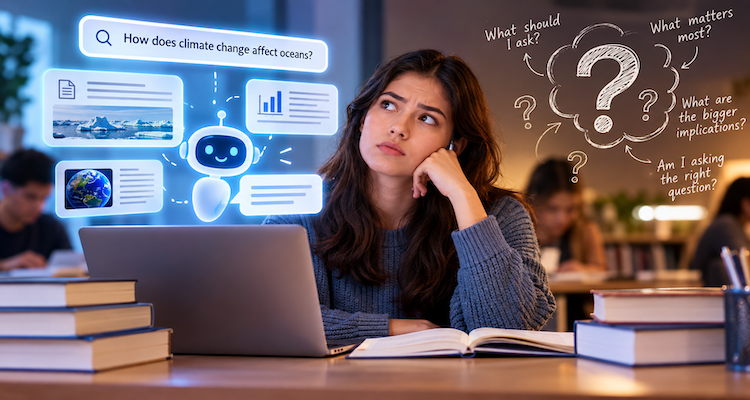
Yet an unexpected pattern is emerging. Many learners are collecting courses faster than they are completing them. Digital libraries continue to grow while practical skills often do not. The problem isn’t a lack of educational opportunities, it is the overwhelming abundance of them.
Ironically, the greatest challenge in online education may no longer be access to knowledge. It may be learning how to filter, prioritize, and apply it.
When More Choice Becomes Less Progress
Unlimited access was once considered the future of education. Subscription-based learning platforms transformed education into an always-available service, allowing users to explore hundreds or even thousands of classes under a single membership.
This model has clear advantages. Professionals can update their skills, students can explore interests beyond the classroom, and lifelong learning has become more affordable than ever before.
However, unlimited choice introduces an invisible cost.
Each new course represents another decision. Should you finish your current class or begin the exciting new one you just discovered? Should you specialize or broaden your knowledge? Is another instructor explaining the topic better?
Instead of removing barriers to learning, endless options often create decision fatigue. Learners spend valuable time browsing rather than building expertise.
The Rise of the Digital Course Collector
Streaming services changed how people consume entertainment, and online education has begun to follow a similar pattern.
Many learners now “save” courses the same way they save movies or articles they intend to watch later. A growing library creates the comforting feeling of future productivity, even if very little learning actually takes place.
Buying or bookmarking another course can feel like progress because it satisfies the brain’s desire for self-improvement. But collecting educational content is fundamentally different from developing competence.
Knowledge grows through repetition, practice, experimentation, and reflection, not through accumulating video playlists.
The distinction matters because modern learning platforms are designed to encourage discovery. Personalized recommendations, trending courses, promotional emails, and new releases constantly compete for attention. Every recommendation makes it easier to start over than to stay committed.
Learning Has Become a Content Consumption Habit
One of the most significant shifts in digital education is that learning increasingly resembles media consumption.
Many people watch educational videos during lunch breaks, while commuting, or before bed. Information becomes another form of content alongside news, podcasts, and entertainment.
While this habit expands exposure to new ideas, it can also create the illusion of mastery.
Watching someone explain a concept often feels easier than applying it. A software tutorial may seem straightforward until it is time to solve a real-world problem without guidance. A leadership course can inspire confidence, but leading a difficult conversation requires practice that no video alone can provide.
This gap between understanding and execution is where many learners quietly stall.
The Real Skill Isn’t Learning More It’s Finishing Better
One overlooked consequence of unlimited learning is the constant temptation to abandon unfinished work.
Every new course promises a better instructor, newer material, or faster results. Instead of completing one structured path, learners jump between multiple programs, leaving partial knowledge across many subjects.
The result is fragmented expertise.
Professionals who consistently develop valuable skills often share a different habit. Rather than chasing endless information, they choose a limited number of learning goals and stay with them long enough to apply what they learn.
Completion creates confidence. Application creates expertise.
Neither happens automatically through unlimited access.
Why Employers Value Demonstrated Skills More Than Course Lists
Digital certificates have become common additions to résumés and professional profiles. They can demonstrate initiative and ongoing development, particularly in fast-changing industries.
But hiring managers increasingly look beyond the number of completed courses.
Can the applicant build the project? Solve the problem? Analyze the data? Design the presentation? Lead the team?
Practical evidence usually carries more weight than an extensive collection of certificates.
For professionals, this changes the purpose of online learning. Courses should become tools for solving real workplace challenges rather than achievements to accumulate.
The strongest learning portfolio is often a combination of carefully selected education and tangible results.
The Hidden Psychology of Endless Learning
Unlimited learning platforms tap into a powerful psychological reward system.
Starting something new feels exciting. Fresh topics stimulate curiosity, and progress bars provide immediate satisfaction. Yet genuine expertise requires moving beyond excitement into repetition, mistakes, revision, and persistence.
That stage is naturally less rewarding.
As a result, learners may repeatedly chase the emotional boost of beginning instead of experiencing the slower rewards of mastery.
Recognizing this tendency can transform learning habits. Instead of asking, “What should I learn next?” a more useful question becomes, “What skill am I committed to improving until I can actually use it?”
This small shift changes learning from entertainment into capability.
Businesses Are Facing the Same Challenge
Organizations have invested heavily in digital learning platforms to upskill employees. Internal training libraries continue to expand as companies respond to rapid technological change.
Yet many leaders now recognize that providing more content does not automatically produce better performance.
Employees often struggle to identify which courses matter most. Without clear priorities, learning competes with daily responsibilities and frequently remains unfinished.
Forward-thinking organizations are increasingly emphasizing structured learning pathways, mentorship, collaborative projects, and opportunities to apply new skills immediately after training.
Learning ecosystems work best when education connects directly to meaningful work.
The Future of Online Learning May Be Less, Not More
Artificial intelligence is making educational content easier and faster to produce than ever before. New courses, tutorials, and personalized lessons will likely continue to multiply.
Ironically, this abundance increases the value of curation.
Future learning platforms may compete less on the size of their libraries and more on helping learners choose the right content, avoid distractions, and build consistent habits.
Quality guidance could become more valuable than unlimited choice.
This represents a broader shift in digital education. The challenge is no longer finding information. It is selecting the information that genuinely moves someone forward.
Learning With Intention
Online education remains one of the most transformative developments of the digital age. It has lowered barriers, expanded access, and created opportunities that were unimaginable just a generation ago.
But access alone is not achievement.
The most successful learners are unlikely to be those who consume the greatest amount of educational content. They are more likely to be the ones who choose carefully, practice consistently, and apply what they learn in meaningful ways.
In an era where knowledge is effectively unlimited, the rarest educational skill may not be learning more. It may be learning with intention.
The information presented in this article is based on publicly available sources, reports, and factual material available at the time of publication. While efforts are made to ensure accuracy, details may change as new information emerges. The content is provided for general informational purposes only, and readers are advised to verify facts independently where necessary.