









Why Subscription Fatigue Is Forcing Businesses to Reinvent Their Models
A decade ago, subscriptions felt like a bargain. Streaming platforms replaced cable packages, software shifted from expensive one-time purchases to affordable monthly plans, and subscription boxes promised convenience delivered to the doorstep. For consumers, recurring payments often seemed easier than large upfront costs. For businesses, they offered something even more attractive: predictable revenue.
That relationship is beginning to change.
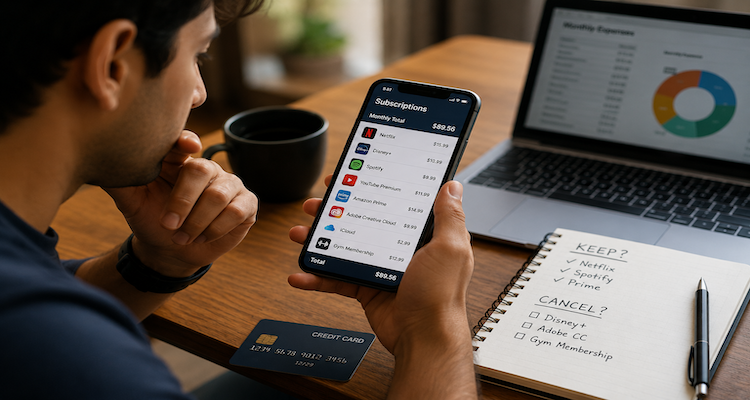
Many consumers now find themselves managing dozens of recurring charges spread across entertainment, productivity tools, cloud storage, fitness apps, news publications, shopping memberships, and digital services. What once felt convenient increasingly feels overwhelming. The result is a growing phenomenon often described as subscription fatigue a shift that is quietly reshaping how companies think about pricing, customer loyalty, and long-term growth.
The significance of this change extends far beyond consumers canceling a streaming service. It is forcing businesses across industries to rethink models that were once considered the future of commerce.
The Subscription Boom Reached a Tipping Point
Subscription-based business models gained popularity because they aligned incentives for both companies and customers. Businesses benefited from recurring revenue, while customers gained ongoing access to products and services without major upfront investments.
Companies across sectors embraced the model. Software providers moved toward Software-as-a-Service (SaaS). Entertainment platforms expanded streaming memberships. Retailers introduced premium loyalty programs. Even products traditionally purchased once began appearing as recurring services.
For years, growth seemed limitless.
But as more companies adopted subscriptions, consumers accumulated an increasing number of monthly commitments. A household might simultaneously pay for multiple streaming services, cloud storage plans, gaming memberships, music platforms, productivity software, and online news subscriptions.
Individually, many of these expenses appear manageable. Collectively, they create a growing financial and psychological burden.
The challenge is not simply affordability. It is attention. Consumers are increasingly questioning whether they actively use every service they pay for. That scrutiny is changing purchasing behavior.
The Hidden Cost Businesses Didn’t Expect
Subscription fatigue is often discussed as a budgeting issue, but its deeper impact is psychological.
Consumers today regularly evaluate recurring expenses in ways they rarely evaluate one-time purchases. Every billing cycle becomes a moment of reconsideration. Every renewal creates another opportunity to cancel.
This dynamic creates a new challenge for businesses. Acquiring customers is no longer enough. Companies must continually justify their presence in a customer’s monthly budget.
The result is a shift from selling products to maintaining relevance.
Many businesses built growth strategies around subscriber acquisition. Now they are investing more heavily in retention, engagement, customer experience, and demonstrated value. A customer who forgets why they subscribed is increasingly likely to leave.
This is particularly visible in digital services where alternatives are often just a few clicks away.
Consumers Are Becoming More Selective
A notable behavioral shift is emerging among consumers: they are prioritizing fewer services that provide greater value.
Rather than subscribing broadly, many people are consolidating spending around platforms they use most frequently. This trend favors companies that become deeply integrated into daily routines.
For example, productivity platforms that support work, collaboration, and communication often become harder to replace. Similarly, services that bundle multiple benefits into a single membership can appear more attractive than maintaining several separate subscriptions.
This selectiveness is encouraging businesses to compete less on access and more on utility.
Customers increasingly ask practical questions:
- How often do I use this?
- Does it save me time?
- Does it solve an ongoing problem?
- Would I miss it if I canceled?
Companies that cannot provide convincing answers face growing pressure.
The Rise of Hybrid Business Models
One of the most important consequences of subscription fatigue is the emergence of hybrid pricing strategies.
Many organizations are moving away from an all-or-nothing subscription approach. Instead, they are experimenting with combinations of free access, one-time purchases, usage-based pricing, premium memberships, and subscription tiers.
Software companies increasingly offer flexible plans based on actual usage rather than fixed monthly commitments. Media organizations are testing membership models that emphasize community benefits instead of simply locking content behind paywalls.
Some businesses are even reintroducing purchase options that subscriptions had previously replaced.
This flexibility reflects a broader realization: customers want choice.
A pricing model that works for a power user may not work for an occasional user. Companies that recognize these differences often have a better chance of retaining diverse customer groups.
Why Bundling Is Making a Comeback
Ironically, the solution to subscription overload may resemble something consumers thought they had already left behind.
Bundling is returning.
Streaming companies have begun exploring partnerships and bundled offerings. Telecommunications providers often package entertainment services alongside internet or mobile plans. Retail memberships increasingly include shipping benefits, exclusive content, discounts, and other perks.
The goal is straightforward: increase perceived value while reducing decision fatigue.
Instead of asking customers to manage numerous individual subscriptions, businesses aim to create ecosystems where multiple services feel connected.
The trend suggests that consumers are not necessarily rejecting subscriptions themselves. They are rejecting fragmented experiences that require managing too many separate relationships.
A New Definition of Customer Loyalty
Subscription fatigue is also changing how businesses think about loyalty.
Traditionally, long-term subscribers were viewed as stable customers. Today, loyalty is becoming more active and conditional.
Consumers are willing to switch services when better options emerge. They are more informed about alternatives and more comfortable canceling memberships that no longer meet their needs.
This creates an environment where loyalty must be continuously earned.
Companies increasingly focus on personalized experiences, exclusive features, responsive customer support, and ongoing innovation. These factors help create emotional and practical reasons to stay.
The shift highlights an important reality: recurring billing does not automatically create recurring trust.
The Bigger Trend Behind Subscription Fatigue
Perhaps the most interesting insight is that subscription fatigue reflects a larger transformation in consumer expectations.
People are becoming more intentional about digital consumption.
For years, growth strategies often relied on maximizing engagement and encouraging users to sign up for more services. Today, many consumers are moving in the opposite direction. They are simplifying digital lives, reducing unnecessary commitments, and seeking greater control over spending.
This mirrors broader trends visible across technology, productivity, and lifestyle choices. Consumers increasingly value transparency, flexibility, and meaningful utility over sheer abundance.
Businesses that understand this shift may discover new opportunities.
Instead of designing models that maximize recurring payments, successful companies may focus on maximizing long-term value creation. The distinction appears subtle but could prove significant.
What Happens Next?
Subscription models are unlikely to disappear. They remain highly effective in many industries and continue to provide benefits for both businesses and consumers.
What is changing is the assumption that subscriptions alone guarantee sustainable growth.
Future winners will likely be organizations that offer flexibility, deliver clear value, reduce friction, and respect consumer attention. Pricing strategies may become more adaptive, memberships more personalized, and customer relationships more transparent.
Subscription fatigue is therefore not merely a rejection of recurring payments. It is a signal that consumers are becoming more selective about where they invest money, trust, and attention.
For businesses, that message is impossible to ignore. The companies that adapt may build stronger relationships than ever before. Those that fail to evolve could discover that recurring revenue is only recurring when customers continue to see a reason to stay.
The information presented in this article is based on publicly available sources, reports, and factual material available at the time of publication. While efforts are made to ensure accuracy, details may change as new information emerges. The content is provided for general informational purposes only, and readers are advised to verify facts independently where necessary.