





Why Sleep Paralysis Feels Haunted: The Science Behind Night Visitors
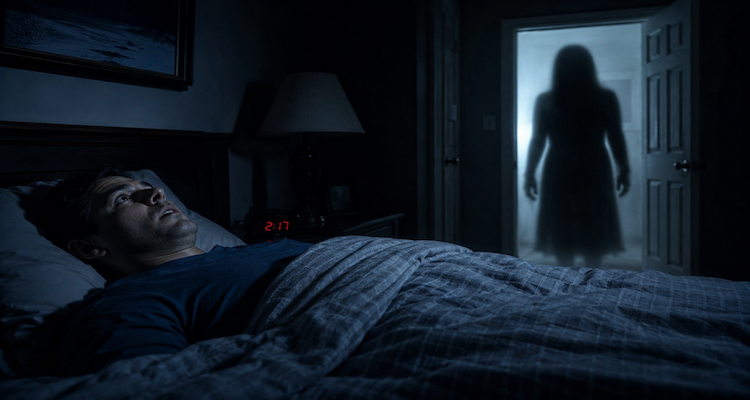
Sleep paralysis occupies a strange space between science and folklore. For centuries, people across cultures have described waking in the middle of the night unable to move, sensing a presence in the room, and feeling overwhelming fear. Some reported shadowy figures standing beside the bed. Others believed they were being watched, touched, or even attacked by an unseen force.
What makes these stories remarkable is how similar they are, even among people separated by geography, language, and culture. Long before the internet connected experiences across continents, descriptions of mysterious “night visitors” appeared in folklore from Europe, Asia, Africa, and the Americas.
Today, science offers a compelling explanation. Yet understanding sleep paralysis has revealed something even more fascinating: the phenomenon is not simply a sleep disorder or a curious hallucination. It provides a rare glimpse into how the human brain constructs reality, and how easily that reality can blur when consciousness and dreaming briefly overlap.
The Moment Between Sleeping and Waking
Sleep paralysis typically occurs during transitions between sleep and wakefulness. A person becomes mentally aware but remains temporarily unable to move or speak.
During rapid eye movement (REM) sleep, the stage associated with vivid dreaming—the brain naturally suppresses most muscle activity. This protective mechanism prevents people from physically acting out their dreams.
Normally, consciousness and muscle control return together. During sleep paralysis, however, awareness arrives before the body fully exits REM sleep. The result can be deeply unsettling: a person wakes up mentally but finds their body still under the temporary paralysis of dreaming sleep.
The experience often lasts only seconds or a few minutes, yet many people describe it as feeling much longer.
What turns this brief event into something unforgettable is what frequently happens next.
Why So Many People Sense a Presence
One of the most common features of sleep paralysis is the sensation that someone, or something, is nearby.
Many sufferers report seeing dark figures, hearing footsteps, sensing movement, or feeling as though another presence has entered the room. These experiences are often so vivid that they remain convincing even after the episode ends.
Researchers believe this occurs because parts of the brain involved in threat detection remain highly active during the transition out of REM sleep. At the same time, dream imagery can continue leaking into conscious awareness.
The brain is essentially trying to interpret conflicting signals. It recognizes wakefulness, but remnants of dream activity persist. Faced with an inability to move and an unusual state of consciousness, the brain may generate explanations that feel completely real.
The result is a powerful illusion: the feeling that an external presence is responsible for what is happening.
This may help explain why stories of nighttime spirits, demons, witches, and supernatural visitors have emerged independently in many cultures.
Folklore, Fear, and Shared Human Experience
Long before neuroscience offered answers, communities created stories to explain these frightening encounters.
In some traditions, sleep paralysis was attributed to malevolent spirits sitting on a sleeper’s chest. Other cultures described ghostly visitors, demons, or supernatural entities that arrived during the night. The details varied, but the emotional core remained strikingly similar: helplessness, fear, and the sense of another being in the room.
These legends were not merely products of imagination. They were attempts to interpret a genuine human experience.
The persistence of such stories highlights an important insight: when people encounter something they cannot easily explain, culture often supplies the narrative framework. The underlying event may be biological, but the interpretation is shaped by beliefs, traditions, and expectations.
Even today, despite widespread scientific understanding, many people initially interpret sleep paralysis through supernatural explanations because the experience feels so convincing.
The Hidden Role of Modern Lifestyles
Interest in sleep paralysis appears to be growing, not because the phenomenon is new, but because modern life may be creating conditions that make it more noticeable.
Sleep specialists frequently point to factors such as sleep deprivation, irregular schedules, stress, anxiety, and disrupted sleep patterns as potential contributors.
These conditions have become increasingly common in a world shaped by late-night screen use, shift work, global connectivity, and around-the-clock digital engagement.
The connection reveals a broader trend that extends beyond sleep paralysis itself. Modern lifestyles often push the brain into states for which it was not designed. As work, entertainment, and social interaction continue to blur traditional boundaries between day and night, sleep quality can suffer in subtle but significant ways.
Sleep paralysis may therefore be viewed not only as an unusual sleep event but also as a signal of broader challenges affecting sleep health.
Why the Experience Feels More Real Than a Dream
One reason sleep paralysis leaves such a lasting impression is that it does not feel like a dream.
Dreams are usually recognized as separate from reality once a person wakes. Sleep paralysis is different because awareness is already present when the experience occurs.
The bedroom is recognizable. The surroundings appear familiar. The person feels awake.
Because the brain is processing actual environmental information while simultaneously experiencing dream-like imagery, the resulting perception can feel extraordinarily authentic.
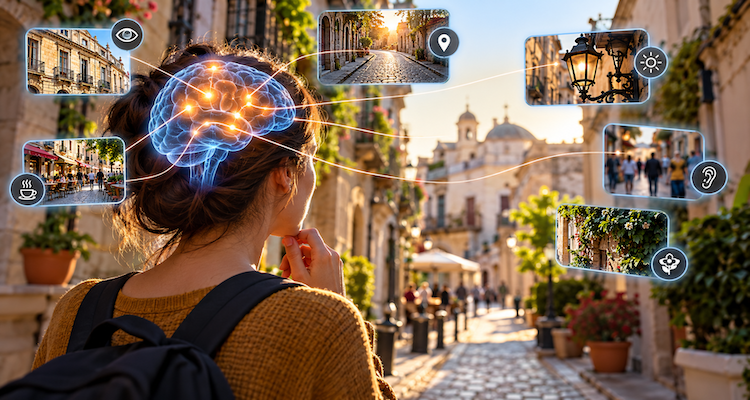
This overlap offers scientists a unique window into consciousness itself. It demonstrates that our sense of reality is not simply a direct recording of the world around us. Instead, the brain constantly constructs reality using incoming sensory information, memory, emotion, and prediction.
Sleep paralysis briefly exposes that construction process.
The Growing Cultural Fascination
The phenomenon has found renewed attention in documentaries, podcasts, online forums, and social media communities. Stories of shadow figures and unexplained nighttime encounters often attract enormous audiences.
Part of this fascination stems from a broader cultural interest in mysteries that exist at the boundary between science and the unexplained.
Unlike many paranormal claims, sleep paralysis provides an unusual combination of personal certainty and scientific explanation. People genuinely experience something terrifying, yet research offers a framework for understanding it.
That tension keeps the subject compelling.
For storytellers, it is a source of horror. For scientists, it is a subject of investigation. For many individuals, it is a deeply personal experience they struggle to describe.
What People Can Learn From Sleep Paralysis
Perhaps the most valuable lesson of sleep paralysis is not that “night visitors” are imaginary. It is that the human brain is capable of creating experiences that feel completely real under extraordinary circumstances.
Understanding this does not diminish the fear people experience during an episode. The fear is genuine. The sensations are genuine. What changes is the interpretation.
For those who encounter sleep paralysis, recognizing the phenomenon can reduce anxiety and help place the experience within a scientific context. Maintaining healthy sleep habits, managing stress, and prioritizing consistent sleep schedules may also help reduce episodes for some individuals.
More broadly, sleep paralysis reminds us that consciousness is far more complex than it appears. Between sleeping and waking lies a brief, mysterious territory where dreams and reality can overlap, and where the mind reveals just how powerful it truly is.
As research into sleep, perception, and consciousness continues, sleep paralysis remains one of the most intriguing examples of how the brain shapes our experience of the world. What once inspired legends of night visitors now offers something equally fascinating: a glimpse into the hidden mechanics of the human mind.
This content is published for informational or entertainment purposes. Facts, opinions, or references may evolve over time, and readers are encouraged to verify details from reliable sources.