









Why Family Travel Is Becoming the New Way to Reconnect
A family vacation used to be viewed as a break from routine, a chance to visit a new destination, relax, and create memories along the way. Increasingly, however, families are approaching travel with a different purpose. The journey itself is becoming a tool for rebuilding relationships, strengthening communication, and reclaiming time together in a world where attention has become one of the scarcest resources.
This shift reflects a broader cultural change. Families today often share a home but not necessarily the same schedule. Work, school activities, digital entertainment, and endless notifications compete for attention throughout the day. As a result, many households are discovering that simply being in the same place is no longer enough to create meaningful connection. Travel, by removing familiar distractions and creating shared experiences, is emerging as a powerful solution.
The growing popularity of family-focused travel reveals something deeper than a desire for vacations. It highlights a changing understanding of what families need to stay connected in modern life.
The Hidden Challenge Facing Modern Families
One of the defining features of contemporary life is fragmentation. Parents may work flexible or remote schedules that blur the boundaries between professional and personal time. Children and teenagers often divide their attention between school, extracurricular activities, gaming, social media, and online communities.
Paradoxically, technology has made communication easier while sometimes making meaningful interaction more difficult. Family members can exchange messages throughout the day without ever engaging in extended conversations.
Travel interrupts these patterns.
Whether it is a weekend road trip, a nature retreat, or an international holiday, travel places family members into a shared environment where routines are temporarily suspended. Without the usual schedules dictating every hour, opportunities for conversation, collaboration, and spontaneous experiences naturally emerge.
What appears to be a vacation on the surface often functions as a reset button beneath it.
Experiences Are Replacing Possessions
Another factor driving this trend is a noticeable shift in consumer priorities. Many families increasingly value experiences over material purchases.
The appeal of a new gadget or household item often fades quickly. Shared experiences, on the other hand, tend to create stories that families revisit for years. A missed train, a surprise encounter with wildlife, or an unexpected local festival can become part of a family’s collective identity.
Travel companies and tourism destinations have recognized this change. More travel offerings now emphasize immersive activities, cultural engagement, outdoor adventures, and multigenerational experiences rather than traditional sightseeing alone.
Families are not simply asking, “Where should we go?”
They are increasingly asking, “What can we experience together?”
That subtle shift changes the purpose of travel entirely.
Why Shared Challenges Create Stronger Bonds
One of the less-discussed benefits of family travel is the role of shared challenges.
Travel rarely unfolds exactly as planned. Flights are delayed. Weather changes unexpectedly. Navigation mistakes happen. Plans must be adjusted.
While these situations can be frustrating, they often create opportunities for teamwork. Families solve problems together, make decisions collectively, and learn more about each other’s strengths and personalities.
Psychologists have long observed that shared experiences, especially those involving novelty and cooperation, can strengthen social bonds. Travel naturally creates these conditions.
Unlike everyday routines, where family members often operate independently, travel requires participation. Everyone becomes part of the same story.
This may explain why families frequently remember the unexpected moments more vividly than perfectly executed itineraries.
The Rise of Multigenerational Travel
A particularly notable development is the growth of multigenerational travel.
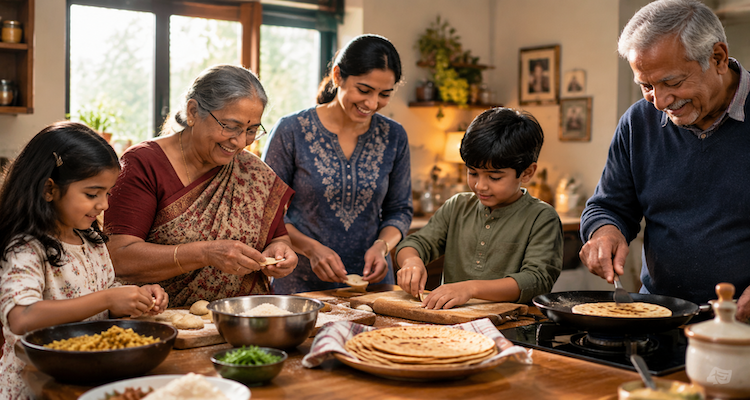
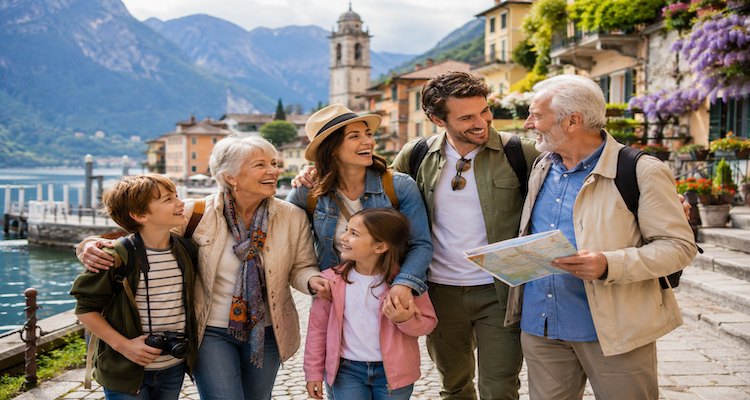
Grandparents, parents, and children are increasingly traveling together, turning vacations into opportunities for relationship-building across generations. These trips allow younger family members to hear stories, traditions, and perspectives that might otherwise remain disconnected from daily life.
For older generations, travel offers valuable time with grandchildren that busy schedules often limit. For younger travelers, it provides a stronger sense of family identity and continuity.
This trend also reflects changing demographics and lifestyle patterns. Families are becoming more intentional about spending meaningful time together while opportunities exist.
Rather than waiting for major holidays or special occasions, many are creating dedicated travel experiences designed specifically around connection.
The Influence of Remote Work and Flexible Schedules
Workplace changes have also contributed to this movement.
The expansion of remote and hybrid work has altered how families think about travel. Some parents can now extend trips beyond traditional holiday periods, allowing for longer and less rushed experiences.
In some cases, families combine work, education, and travel into extended stays that offer deeper engagement with destinations. Rather than treating travel as a brief escape, they integrate it into everyday life for a period of time.
This flexibility encourages slower, more intentional travel experiences that emphasize quality time over packed itineraries.
The result is a travel style focused less on checking destinations off a list and more on creating meaningful interactions.
A New Form of Family Wellness
Perhaps the most interesting aspect of this trend is that travel is increasingly being viewed as a form of wellness.
Traditionally, wellness has focused on physical fitness, nutrition, or individual mental health. Today, many families are beginning to think about the health of their relationships in similar terms.
Connection, communication, trust, and shared experiences are increasingly recognized as essential components of family well-being.
Travel creates an environment where these elements can develop naturally. Long conversations during a train ride, shared meals in unfamiliar places, and collaborative decision-making all contribute to relationship health in ways that are difficult to replicate within normal routines.
The insight here is significant: families are not necessarily traveling more because they need a vacation. They may be traveling because they need uninterrupted time together.
That distinction helps explain why family travel continues to resonate even during periods of economic uncertainty. For many households, the value lies not only in the destination but in the relationships strengthened along the way.
What This Trend Reveals About Society
The growing use of travel as a tool for reconnection reflects a broader societal realization.
People are increasingly aware that meaningful relationships require intentional investment. Simply sharing physical space does not guarantee emotional closeness. Connection often requires dedicated time, attention, and shared experiences.
Travel provides a structure for creating those moments.
As digital distractions continue to expand and daily schedules become more complex, the desire for experiences that encourage genuine interaction is likely to remain strong. The travel industry may continue evolving toward offerings that prioritize connection, immersion, and personal meaning rather than volume of attractions alone.
For families, this trend represents more than a change in vacation preferences. It reflects a changing definition of what travel is for.
The destination still matters, but increasingly, the real journey is the one that happens between the people traveling together.
This content is published for informational or entertainment purposes. Facts, opinions, or references may evolve over time, and readers are encouraged to verify details from reliable sources.