









The Hidden Health Effects of Living Without Seasonal Changes
For most people, the changing seasons are little more than a backdrop to everyday life a signal to swap wardrobes, adjust routines, or plan holidays. Yet beneath these familiar shifts, the human body is quietly responding to changes in daylight, temperature, humidity, and even the availability of fresh foods. When those seasonal cues disappear, the effects can be more significant than many realize.
Whether because of climate-controlled living, relocation to regions with minimal seasonal variation, or the increasing ability to work and socialize indoors year-round, many people now experience a lifestyle where the distinctions between spring, summer, autumn, and winter have become blurred. While this consistency may seem convenient, researchers and health experts continue to explore how a reduced connection to natural seasonal cycles could influence physical health, mental well-being, sleep, and long-term habits.
Why Seasonal Changes Matter More Than We Think
Human biology evolved in an environment where the seasons shaped daily life. Variations in sunlight, temperature, and food availability helped regulate biological processes that continue to influence us today.
One of the most important factors is daylight. Exposure to natural light helps regulate the body’s internal clock, or circadian rhythm, which influences sleep patterns, hormone production, alertness, and metabolism. As daylight hours naturally lengthen and shorten throughout the year, the body adjusts accordingly.
When these environmental signals become less noticeable whether due to spending most of the day indoors or living in regions with relatively stable climates the body may receive fewer cues that help maintain these rhythms.
This doesn’t necessarily cause illness, but it may contribute to subtle changes that accumulate over time.
The Overlooked Connection Between Seasons and Sleep
Many people notice they sleep differently depending on the season without giving it much thought.
Longer daylight hours often encourage later evenings and increased activity, while shorter winter days may naturally promote earlier sleep. These fluctuations are part of a broader relationship between environmental light and the production of melatonin, the hormone that helps regulate sleep.
In environments where lighting remains almost identical throughout the year especially offices, shopping centers, and homes with artificial lighting the distinction between day and night becomes less pronounced.
As a result, some individuals may experience:
- Difficulty maintaining consistent sleep quality
- Reduced exposure to morning sunlight
- Increased reliance on screens late into the evening
- Disrupted daily biological rhythms
While these issues have multiple causes, reduced interaction with natural seasonal light is increasingly recognized as one contributing factor.
Mental Well-Being Is Influenced by More Than Weather
Seasonal affective disorder (SAD) is well known, particularly in regions with long, dark winters. However, seasonal changes influence mental health in more subtle ways as well.
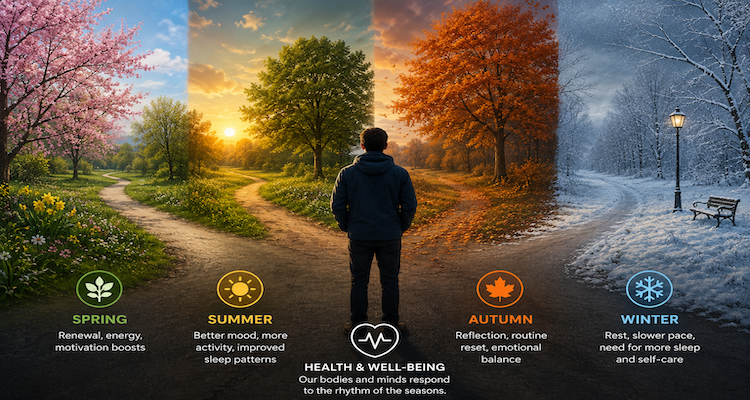
Spring often encourages greater outdoor activity and social interaction. Summer can increase physical movement and exposure to nature. Autumn introduces different routines, while winter may naturally encourage rest and reflection.
Without these environmental transitions, daily life can become unusually uniform.
This doesn’t mean stability is unhealthy, but seasonal variety often creates psychological “reset points” that help people adjust goals, habits, and expectations throughout the year.
The growing popularity of seasonal wellness trends from spring cleaning to autumn hiking is not merely cultural tradition. Many reflect behaviors that naturally align with environmental changes.
Modern Life Is Creating an Artificial Climate
One of the biggest shifts in recent decades isn’t the climate itself it’s how people experience it.
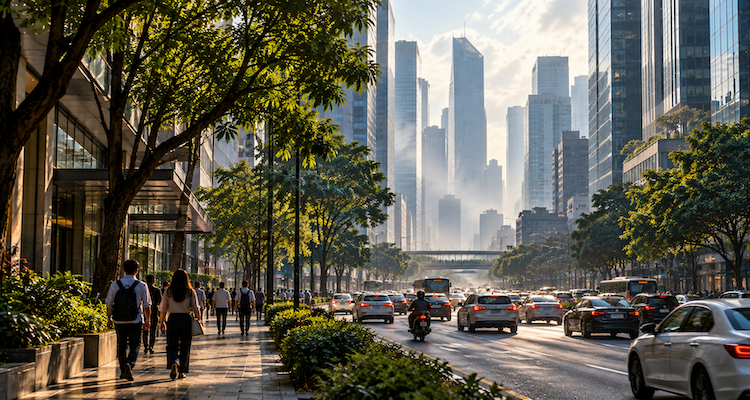
Air conditioning, central heating, remote work, online entertainment, food delivery, and indoor shopping mean many people spend most of their time in carefully controlled environments.
Temperature, lighting, and even humidity often remain remarkably consistent regardless of the season outside.
This constant comfort has undeniable benefits, especially for safety and productivity. However, it may also reduce everyday exposure to natural environmental variation.
The result is a lifestyle where biological rhythms are shaped less by nature and more by technology.
How Lifestyle Changes Compound the Effect
Living without noticeable seasonal differences rarely happens in isolation.
It often overlaps with other modern habits, including:
- Spending fewer hours outdoors
- Reduced physical activity
- Less exposure to natural sunlight
- Increased screen time
- Flexible work schedules
- Around-the-clock digital connectivity
Together, these factors may amplify disruptions to sleep, mood, and daily routines.
The hidden issue isn’t simply the absence of seasons it’s the gradual replacement of natural environmental signals with artificial ones.
Climate Change Is Also Changing Seasonal Experiences
Another emerging factor is climate change.
In many regions, traditional seasonal patterns have become less predictable. Winters may be milder, summers longer, and transitions between seasons increasingly irregular.
While scientists continue studying the long-term health implications, changing seasonal patterns may influence allergies, heat-related illnesses, infectious disease patterns, and outdoor activity levels.
The psychological impact is also noteworthy. Communities that once relied on familiar seasonal rhythms for agriculture, recreation, or cultural traditions are adapting to increasingly unpredictable conditions.
This changing relationship with nature could become an important public health consideration in the coming decades.
A Hidden Insight: Seasonal Variety May Be a Form of Preventive Health
One of the less-discussed ideas emerging from lifestyle research is that seasonal variation itself may encourage healthier behavior.
People often make different food choices depending on the weather. They may exercise differently, spend more or less time outdoors, change sleep schedules, or adopt new hobbies.
These natural shifts create periodic changes in routine that may reduce monotony and encourage behavioral flexibility.
In contrast, highly repetitive year-round routines can make unhealthy habits more persistent.
For example, working indoors under identical lighting every day, maintaining the same daily schedule regardless of daylight, and rarely interacting with natural environments may reduce opportunities for lifestyle adjustments that occur almost automatically with changing seasons.
The insight isn’t that seasonal living is inherently healthier. Rather, seasonal change often nudges people toward varied behaviors that support physical and mental well-being.
Finding Seasonal Balance in Everyday Life
Even people living in climates with limited seasonal variation or spending most of their time indoors can reconnect with natural rhythms.
Simple habits can make a meaningful difference:
Seek natural morning sunlight whenever possible, especially after waking.
Spend time outdoors throughout the year rather than only during holidays.
Adjust physical activities to match changing weather instead of maintaining an identical routine.
Choose seasonal fruits and vegetables when available, adding variety to nutrition.
Create seasonal rituals, such as walking in local parks, gardening, or exploring nearby nature.
These practices are less about recreating the past and more about giving the body and mind the environmental variety they have long evolved alongside.
Looking Ahead
As cities become more climate-controlled and digital lifestyles continue expanding, the experience of living without meaningful seasonal change may become increasingly common.
Understanding how natural cycles influence health doesn’t require abandoning modern comforts. Instead, it highlights the importance of balancing technological convenience with regular exposure to the natural world.
The changing seasons are more than a calendar event. They quietly shape sleep, mood, behavior, and daily rhythms in ways that often go unnoticed. Recognizing their influence may help people make small lifestyle choices that support long-term well-being even in an increasingly seasonless world.
This article is provided for general informational and educational purposes. It is not medical advice, diagnosis, or a substitute for consultation with a qualified healthcare professional. Health evidence can change, and individual circumstances vary.