









Why More Wildlife Is Becoming Nocturnal and What It Says About Our Changing World
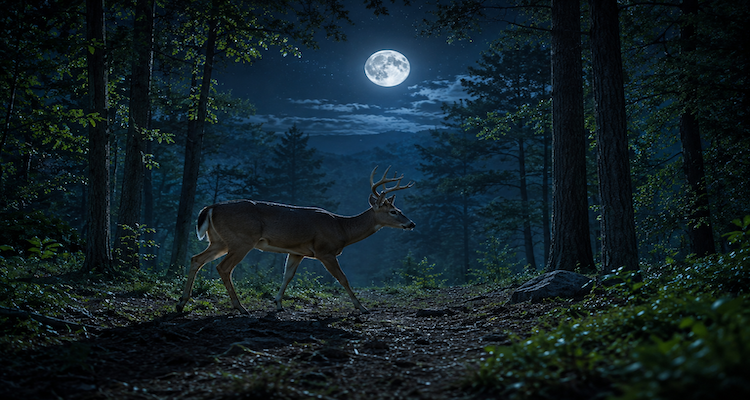
The familiar image of deer grazing at dawn, birds foraging through the afternoon, or foxes roaming in broad daylight is becoming less common in many parts of the world. Wildlife researchers and conservationists have increasingly observed animals shifting their routines, with species once active during the day becoming noticeably more active after sunset.
This isn’t simply a fascinating change in animal behavior. It reflects a deeper transformation in the relationship between humans and nature. As cities expand, landscapes become busier, and temperatures rise, many species appear to be adapting in one of the few ways available to them: changing when they are active rather than where they live. Their altered schedules offer a quiet but revealing signal about the pressures reshaping ecosystems across the globe.
A Different Kind of Survival Strategy
Most animals have evolved to be active during particular times of day. Diurnal species thrive in daylight, nocturnal animals depend on darkness, and crepuscular species prefer dawn or dusk. These activity patterns are linked to feeding opportunities, predator avoidance, body temperature regulation, and even communication.
Yet nature is rarely fixed.
Many species possess a remarkable degree of behavioral flexibility. Instead of abandoning familiar habitats, they often adjust their daily routines when environmental conditions change. Becoming more active at night can reduce encounters with people, vehicles, machinery, pets, and other disturbances that dominate daylight hours.
This adaptation doesn’t necessarily mean an animal has become permanently nocturnal. Rather, it often represents a practical response to new challenges.
Human Activity Is Reshaping Wildlife Clocks
One of the strongest drivers behind this shift is the growing human footprint.
Road networks, suburban expansion, agriculture, tourism, outdoor recreation, and industrial development have dramatically increased daytime disturbances in areas once considered natural habitats. Even protected landscapes experience heavier visitor traffic than they did decades ago.
For wildlife, avoiding people can be safer than competing with them.
Large mammals such as deer, wild boar, coyotes, and even some bear populations have been observed becoming more active during nighttime hours in places with frequent human presence. Smaller mammals and certain birds may also alter their schedules when daytime activity becomes unpredictable or risky.
This pattern highlights an important reality: animals often adapt to people rather than the other way around.
Climate Is Changing the Equation
Rising temperatures are adding another layer to this behavioral shift.
In regions experiencing hotter summers and more frequent heatwaves, daytime activity can become energetically expensive. Hunting, foraging, or traveling under intense heat increases the risk of dehydration and heat stress.
Nighttime offers cooler conditions that reduce energy demands.
This is especially relevant in dry grasslands, deserts, and increasingly warm temperate regions. While temperature alone does not explain every behavioral change, climate-related stress can reinforce the advantages of nocturnal activity.
Rather than migrating immediately, some species first modify their schedules to remain within tolerable environmental conditions.
Cities Have Created Unexpected Nighttime Ecosystems
Urban environments present a striking example of wildlife adaptation.
Many cities now support surprisingly diverse populations of foxes, raccoons, hedgehogs, bats, owls, and other adaptable animals. During the day, these species often remain hidden. After dark, however, parks, gardens, railway corridors, and quiet streets become active wildlife pathways.
Artificial lighting complicates this picture. While some animals benefit from illuminated environments that attract insects or improve visibility, others experience disrupted navigation, breeding behavior, or feeding patterns.
Urban ecosystems therefore create both opportunities and challenges, encouraging some species while disadvantaging others.
The city at night has become an ecological landscape in its own right.
Not Every Species Can Adapt
Behavioral flexibility has limits.
Species with specialized diets, narrow habitat requirements, or strong dependence on daylight may struggle to adjust their activity patterns. Pollinators, certain birds, reptiles that rely on sunlight for body temperature regulation, and animals with tightly synchronized breeding behaviors may face greater challenges.
This creates an uneven ecological landscape where adaptable species flourish while more specialized ones become increasingly vulnerable.
Conservation efforts increasingly recognize that protecting wildlife involves more than preserving land. Maintaining quiet periods, limiting disturbance, reducing unnecessary nighttime lighting, and preserving natural habitat connectivity can also influence whether species successfully adapt.
The Ripple Effects Across Ecosystems
Changing activity schedules affect far more than individual animals.
Predators and prey often evolve around synchronized routines. If prey becomes active later, predators may also adjust. Competition between species can change, while pollination, seed dispersal, and scavenging patterns may gradually shift.
These cascading effects are still being studied, but they demonstrate how a seemingly simple behavioral adjustment can influence entire ecosystems.
An animal’s daily timetable is part of a much larger ecological network. Altering one piece may eventually reshape many others.
What This Reveals About Human Influence
Perhaps the most striking insight is that wildlife is not disappearing everywhere it is often becoming less visible.
Many people interpret fewer daytime wildlife sightings as evidence of declining animal populations. In some cases, populations have indeed fallen. But elsewhere, animals may simply be avoiding human activity by operating on a different schedule.
This distinction matters.
If animals increasingly survive by becoming invisible to us, it suggests ecosystems are adapting around humanity rather than existing alongside it. That adaptation demonstrates resilience, but it also reflects persistent environmental pressure.
In other words, nocturnal behavior can be viewed as both a success story and a warning sign.
Technology Is Helping Scientists Track These Hidden Changes
Modern conservation tools have transformed our understanding of wildlife behavior.
Motion-sensitive camera traps, GPS collars, satellite tracking, thermal imaging, and acoustic monitoring allow researchers to observe animals without disturbing them. These technologies reveal movement patterns that would have remained largely unnoticed just a few decades ago.
As datasets grow, scientists are gaining a clearer picture of how wildlife responds to urbanization, climate change, infrastructure development, and recreation.
Rather than relying solely on occasional sightings, conservation planning increasingly incorporates continuous behavioral monitoring.
Living Alongside Wildlife in a 24-Hour World
The rise of nocturnal wildlife raises broader questions about how people share landscapes with nature.
Communities are beginning to consider wildlife crossings, quieter recreational practices, smarter outdoor lighting, and habitat-friendly urban planning. These measures are not only intended to protect biodiversity but also to reduce conflicts between people and animals.
The trend also encourages a shift in perspective.
Instead of asking why wildlife is becoming harder to see, we might ask what our daily activities are signaling to the species around us. Their changing routines remind us that adaptation is often the first response to environmental pressure.
As human influence continues to reshape landscapes, the animals that once greeted the sunrise may increasingly wait for darkness. Their silent adjustment is one of the clearest indicators that the rhythms of the natural world are changing and that our own choices play a significant role in determining what those rhythms will look like in the future.
This content is published for informational or entertainment purposes. Facts, opinions, or references may evolve over time, and readers are encouraged to verify details from reliable sources.