









Netflix’s July Lineup Shows Why Familiar Franchises Still Win
Key Takeaways
- Netflix added 45 new movies and series in a single week, blending originals with well-known franchises to broaden audience appeal.
- The arrival of the complete Hunger Games collection highlights how licensed blockbusters remain central to streaming competition.
- Nostalgia-driven releases, including a VHS-inspired edition of Stranger Things, demonstrate growing demand for familiar entertainment experiences.
- Sports documentaries, international originals, and reality programming reflect Netflix’s strategy of serving diverse viewing habits across global audiences.
- Weekly viewing charts suggest recognizable brands continue attracting subscribers, even as fresh originals compete for attention.
Introduction
Streaming audiences have more choices than ever, making it increasingly difficult for platforms to capture and hold attention. Rather than relying solely on expensive original productions, Netflix is demonstrating that familiar stories still have enormous value. Its latest weekly catalog expansion, adding 45 new movies and television series in the United States, illustrates a carefully balanced strategy that mixes blockbuster franchises, global originals, sports programming, documentaries, and nostalgic experiences.
The timing is significant. Summer traditionally brings higher viewing activity as schools close and audiences spend more leisure time indoors. By combining recognizable Hollywood franchises with fresh international content, Netflix is attempting to satisfy both long-time subscribers seeking comfort viewing and viewers searching for something new. The result is a catalog designed not simply to increase quantity, but to maximize engagement across multiple audience segments.
This week’s additions also reveal broader changes in the streaming business, where licensing, nostalgia, and audience diversity have become just as important as producing exclusive originals.
Understanding the Development
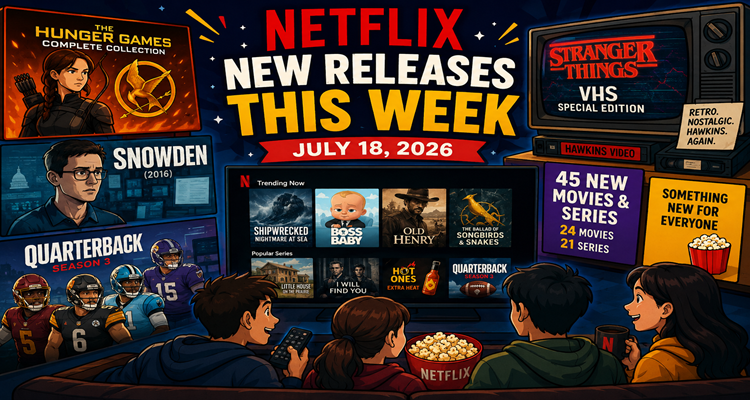
Netflix introduced 45 new titles during the week, including 24 movies and 21 television series. The additions span multiple genres, languages, and audience demographics, reinforcing the company’s increasingly global programming strategy.
Among the most notable arrivals is the complete Hunger Games film collection, giving subscribers access to every major installment of the franchise, including The Ballad of Songbirds and Snakes. The move arrives ahead of the upcoming theatrical expansion of the franchise, allowing both longtime fans and new viewers to revisit the series before the next chapter reaches cinemas.
The platform also expanded its original programming with new international productions, documentaries, reality shows, children’s content, and sports programming. Rather than concentrating on one blockbuster release, Netflix spread its investments across multiple content categories, increasing the likelihood that different audience groups would each find something appealing.
Another attention-grabbing addition was the special VHS-inspired version of Stranger Things Season 1. Instead of releasing new episodes, Netflix celebrated the series’ anniversary by recreating the look and sound of classic videotape viewing, transforming a familiar show into a fresh viewing experience.
Why This Matters
Streaming Success Depends on Variety
Modern streaming audiences rarely behave the same way. Some viewers binge thrillers, while others prioritize documentaries, children’s programming, reality television, or sports. Netflix’s latest release schedule acknowledges this reality by offering multiple entry points instead of depending on a single headline title.
This diversification also helps reduce subscriber churn. When viewers regularly discover new content aligned with their interests, they are less likely to pause or cancel subscriptions.
Licensed Content Still Holds Enormous Value
For several years, streaming services emphasized exclusive originals as their competitive advantage. While originals remain important, licensed franchises continue proving their ability to attract audiences quickly.
The return of the entire Hunger Games collection demonstrates that recognizable intellectual property still generates excitement, particularly when connected to upcoming theatrical releases. Such acquisitions often encourage marathon viewing sessions, increasing overall engagement without requiring entirely new productions.
Nostalgia Is Becoming a Strategic Asset
Entertainment companies increasingly recognize nostalgia as more than sentimental marketing. It creates emotional familiarity, lowers viewing hesitation, and encourages repeat engagement.
The retro presentation of Stranger Things illustrates how existing content can be refreshed creatively without producing entirely new episodes. Rather than relying solely on new storytelling, platforms can deepen audience relationships by presenting beloved titles in innovative formats.
What Is Changing
International Programming Is Moving Into the Mainstream
One of the clearest trends visible in this week’s additions is Netflix’s continued investment in global storytelling. New releases arrive from Germany, Japan, South Korea, Spain, Indonesia, Thailand, Portugal, and the Philippines alongside American productions.
This reflects a broader shift in audience behavior. Viewers increasingly choose compelling stories regardless of language, helped by improved dubbing, subtitles, and recommendation algorithms.
Global programming also gives Netflix greater flexibility than relying exclusively on Hollywood productions.
Sports Continue Expanding Beyond Live Games
Netflix’s growing sports strategy extends well beyond occasional live broadcasts.
Programs like Quarterback provide behind-the-scenes access that traditional sports broadcasts cannot offer, combining athletic competition with personal storytelling. Meanwhile, events such as the MLB Home Run Derby broaden Netflix’s sports portfolio while introducing audiences to live programming.
Sports documentaries have become particularly valuable because they appeal to dedicated fans while remaining accessible to casual viewers interested in compelling human stories.
Reality Programming Maintains Strong Audience Demand
Reality television continues delivering reliable engagement. New seasons of dating competitions, celebrity interviews, and lifestyle programming consistently appear among trending titles because they encourage social discussion and frequent viewing.
Unlike scripted dramas, reality series often generate ongoing weekly conversations that help maintain audience interest over longer periods.
The Bigger Picture
Netflix’s release strategy reflects larger transformations occurring throughout the streaming industry.
Early streaming competition centered on building the biggest exclusive library. Today’s competition is increasingly about maintaining consistent audience engagement every week rather than relying on occasional blockbuster premieres.
Content libraries now function like diversified investment portfolios. Large franchises attract attention, originals build brand identity, documentaries add depth, international productions expand reach, and reality programming sustains recurring engagement.
This balanced approach also reduces financial risk. Not every original becomes a global hit, but combining multiple content categories spreads audience demand across the platform.
The popularity charts reinforce this strategy. While new originals secured prominent positions, licensed family films, classic comedies, franchise entries, and established television series also remained among the week’s most-watched titles. The viewing data suggest subscribers increasingly value variety over exclusivity alone.
Opportunities and Challenges
Opportunities
Netflix’s broad content strategy creates several competitive advantages:
- Franchises encourage binge viewing.
- International programming expands worldwide appeal.
- Nostalgia attracts returning audiences.
- Sports content reaches previously underserved viewers.
- Diverse programming reduces dependence on individual blockbuster releases.
This variety also improves recommendation systems, allowing Netflix to match viewers with increasingly personalized content.
Challenges
Maintaining such a large catalog presents ongoing challenges.
Licensing agreements eventually expire, meaning popular franchises may leave the platform unexpectedly. Competition for premium intellectual property continues to intensify as rival streaming services seek similar audience appeal.
Additionally, an expanding library creates discovery problems. Even high-quality content can struggle for visibility when dozens of new titles arrive each week.
Balancing original investments against licensed acquisitions will remain one of Netflix’s most important strategic decisions.
What Comes Next
Several developments are likely to shape Netflix’s upcoming content strategy.
Major franchises will probably continue appearing around theatrical releases, allowing streaming platforms to capitalize on renewed public interest.
Interactive anniversary celebrations similar to the Stranger Things VHS edition could become more common as studios search for cost-effective ways to refresh existing libraries.
Sports documentaries are expected to expand further, particularly as streaming companies compete for audiences beyond traditional entertainment.
International productions will likely become even more integrated into Netflix’s mainstream recommendations rather than existing as niche categories.
Perhaps most importantly, streaming services may increasingly measure success by total viewing engagement instead of simply counting original productions. That shift favors platforms capable of combining beloved franchises, fresh originals, live events, documentaries, and global storytelling into one cohesive entertainment ecosystem.
Conclusion
Netflix’s latest weekly additions demonstrate that streaming success no longer depends solely on producing new originals. Instead, the platform is embracing a broader content philosophy that combines recognizable franchises, international storytelling, sports, documentaries, and nostalgic experiences to keep audiences engaged.
The arrival of the complete Hunger Games collection, anniversary celebrations for Stranger Things, expanding sports programming, and a steady flow of international originals all point toward a service designed to meet increasingly diverse viewing habits.
For viewers, this means more choice and greater variety. For the streaming industry, it signals a future where familiarity and innovation work together rather than compete against one another. As subscriber expectations continue evolving, platforms that successfully balance both may be best positioned to retain audiences in an increasingly crowded entertainment landscape.
This content is published for informational or entertainment purposes. Facts, opinions, or references may evolve over time, and readers are encouraged to verify details from reliable sources.
Related News
- Netflix’s 2026 Book Options Reveal What Stories It May Be Betting On Next
- Why Video Game Adaptations Are Finally Winning Over Audiences
- From Fan Fiction to Blockbusters: How Online Communities Are Changing Storytelling
- The Death of Channel Surfing: How Streaming Changed the Way We Discover Entertainment