








Why Travelers Are Seeking Experiences That Screens Cannot Replace

A curious shift is taking place across the travel industry. At the very moment when technology can translate languages instantly, recommend restaurants with remarkable accuracy, and guide travelers through unfamiliar cities with ease, many people are actively searching for experiences that technology cannot replicate.
The appeal of travel is increasingly moving away from convenience and toward authenticity. Travelers are not simply looking for destinations; they are looking for moments that feel impossible to capture through a screen, duplicate through artificial intelligence, or recreate through virtual experiences. What people once sought online, they now often want to experience in person.
This growing demand reveals something larger than a travel trend. It reflects a broader cultural response to a world where more aspects of daily life are becoming digital, automated, and mediated through devices.
The Search for What Feels Real
For years, travel was shaped by accessibility and efficiency. Online booking platforms simplified planning. Social media influenced destination choices. Travel apps reduced uncertainty. The result was a smoother, more connected travel experience.
Yet as digital tools became more powerful, many travelers began noticing an unintended consequence: experiences started to feel increasingly similar.
Popular destinations appeared through the same social media filters. Travelers followed nearly identical itineraries. Restaurants, viewpoints, and attractions often became famous because they were visually shareable rather than personally meaningful.
Today, a growing number of travelers are moving in the opposite direction. They are seeking experiences that prioritize presence over documentation and participation over observation.
Whether it is learning traditional cooking techniques from local families, joining community festivals, exploring remote landscapes without internet access, or engaging in cultural exchanges that unfold spontaneously, the attraction lies in the unpredictability of the experience itself.
The value is no longer measured solely by how impressive a destination looks online. It is increasingly measured by how memorable it feels offline.
The Limits of Digital Substitutes
Virtual tours, augmented reality experiences, and immersive digital platforms have expanded access to global destinations. These technologies offer valuable educational and entertainment opportunities and can inspire future travel.
However, they cannot fully reproduce the sensory and emotional dimensions of physical presence.
A video can show a bustling market, but it cannot replicate the aroma of local food, the energy of conversation, or the subtle social interactions that define the atmosphere. A virtual reality headset can display a mountain landscape, but it cannot recreate the physical effort of reaching the summit or the emotional satisfaction that comes with the journey.
Travel has always been about more than seeing places. It is about experiencing context, uncertainty, discovery, and connection. These elements remain difficult to digitize because they depend on human participation rather than passive consumption.
As digital experiences become more sophisticated, the distinction between observation and participation becomes even more important. People increasingly recognize that the most meaningful aspects of travel often emerge from situations that cannot be fully planned, predicted, or replicated.
A Response to Digital Saturation
The rising interest in non-digitizable travel experiences may also reflect growing digital fatigue.
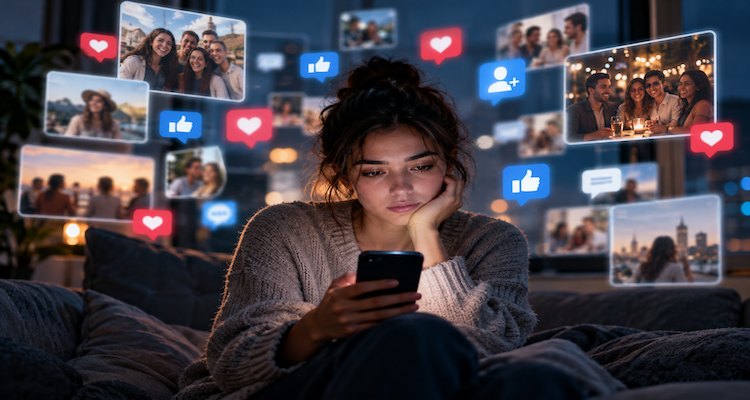
Many professionals spend much of their day interacting with screens. Remote work, virtual meetings, streaming entertainment, and social media have created unprecedented levels of digital engagement.
Travel offers a rare opportunity to step outside these environments.
This does not necessarily mean rejecting technology altogether. Most travelers still rely heavily on smartphones and digital tools. Instead, the shift is about balancing digital convenience with genuine immersion.
Experiences such as hiking remote trails, participating in cultural workshops, staying in locally owned accommodations, or exploring regions with limited connectivity appeal because they provide something increasingly scarce: uninterrupted attention.
In an economy where countless companies compete for attention, experiences that allow people to disconnect often become more valuable.
The Rise of Experience-Led Travel
The tourism industry is adapting to this change in traveler priorities.
Many destinations are placing greater emphasis on local culture, heritage, craftsmanship, and community-based tourism. Rather than promoting only major attractions, tourism organizations increasingly highlight opportunities for visitors to engage with local traditions and everyday life.
This shift can be seen across various travel segments. Culinary tourism focuses on regional food traditions rather than simply dining at famous restaurants. Adventure travel emphasizes personal challenges and environmental connection. Cultural tourism increasingly centers on interaction rather than observation.
The common thread is participation.
Travelers are no longer satisfied with simply checking destinations off a list. Many want stories, skills, relationships, and experiences that continue to hold meaning long after returning home.
The success of these experiences suggests that travelers are increasingly investing in personal transformation rather than simple recreation.
The Hidden Insight: Scarcity Is Changing
One of the most significant yet underappreciated developments behind this trend involves the changing nature of scarcity.
Historically, information was scarce. People traveled to discover places, cultures, and experiences they could not easily access elsewhere.
Today, information is abundant. Images, videos, reviews, and recommendations are available instantly.
What has become scarce is direct experience.
Anyone can watch videos of a traditional ceremony, browse photographs of a hidden village, or explore a destination through online content. Far fewer people can actually be present in those moments.
As information becomes unlimited, genuine experience becomes more valuable.
This reversal may help explain why travelers increasingly seek opportunities that emphasize participation, learning, and personal engagement. Experiences that cannot be downloaded, streamed, or replicated gain significance precisely because they remain exclusive to those who physically encounter them.
Why This Matters Beyond Travel
The demand for non-digitizable experiences reflects broader changes in how people define value.
Across many industries, consumers are becoming more interested in authenticity, craftsmanship, human connection, and meaningful engagement. Similar patterns can be seen in education, entertainment, wellness, and even workplace culture.
People increasingly recognize the difference between access and experience.
Having access to information about a destination is not the same as visiting it. Watching cultural content is not the same as participating in cultural traditions. Viewing landscapes online is not the same as standing within them.
Travel serves as one of the clearest examples of this distinction because it combines physical presence, emotional engagement, and human interaction in ways that remain difficult to replicate digitally.
What Could Happen Next
Technology will continue to play a major role in travel. Artificial intelligence, personalized recommendations, translation tools, and digital planning platforms will likely make journeys more efficient and accessible.
At the same time, these innovations may strengthen demand for experiences that feel distinctly human.
The more digital life expands, the more people may seek opportunities to reconnect with physical places, local communities, and spontaneous encounters. Future travelers are likely to value not only convenience but also authenticity, depth, and emotional resonance.
The most successful travel experiences may be those that use technology to remove friction while preserving the elements that cannot be digitized: human connection, cultural exchange, personal discovery, and the feeling of being fully present in a place.
In a world where nearly everything can be viewed through a screen, the experiences that remain beyond the reach of technology may become the most valuable journeys of all.
This content is published for informational or entertainment purposes. Facts, opinions, or references may evolve over time, and readers are encouraged to verify details from reliable sources.