









Why Online Communities Are Becoming the New Social Circles for Millions
A growing number of people are finding friendship, support, and a sense of belonging in places that did not exist a generation ago. Instead of gathering through neighborhoods, workplaces, religious institutions, or family networks, many are building meaningful relationships through online communities centered on shared interests, experiences, and identities.
This shift is often described as a technological trend, but its significance runs much deeper. What is changing is not simply where people socialize. It is how people define community itself.
For millions, digital communities are no longer a supplement to social life. They are becoming its foundation.
The Quiet Transformation of Human Connection
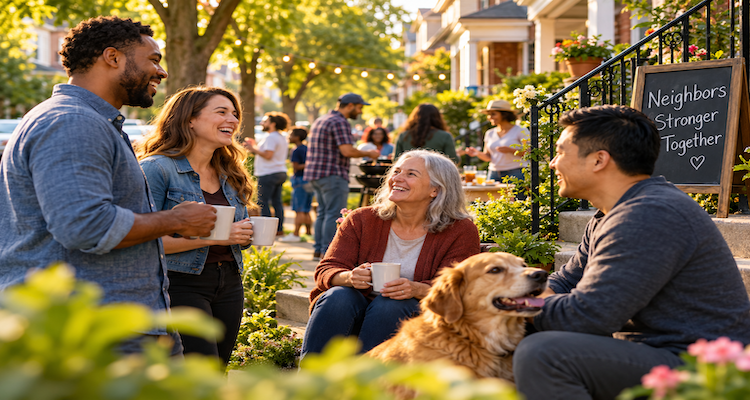
Traditional social circles were largely shaped by geography. People formed friendships through proximity, living on the same street, attending the same school, working in the same office, or participating in local organizations.
Those structures still exist, but their influence has weakened in many parts of the world.
Remote work has reduced daily workplace interactions. Urban mobility means people move cities more frequently. Smaller households and changing family structures have altered long-standing support systems. At the same time, digital platforms have made it possible to connect instantly with people who share specific interests regardless of location.
The result is a fundamental shift from proximity-based relationships to interest-based relationships.
Someone passionate about vintage photography, independent gaming, fitness, parenting, entrepreneurship, or sustainable living can now find a community of like-minded individuals within minutes. In many cases, those connections feel more meaningful than relationships formed merely through physical closeness.
Why Digital Communities Feel More Relevant
One reason online communities are growing in importance is that they often provide something traditional social circles struggle to offer: highly targeted belonging.
In the past, people frequently adapted themselves to fit existing groups. Today, people can search for groups that fit their existing interests, values, or experiences.
This difference matters.
A person living in a small town may not know anyone who shares a niche hobby. A startup founder may have difficulty discussing business challenges with friends outside entrepreneurship. Someone navigating a major life transition may seek support from others who have experienced similar circumstances.
Digital communities remove geographic limitations and dramatically increase the likelihood of finding people who genuinely understand specific experiences.
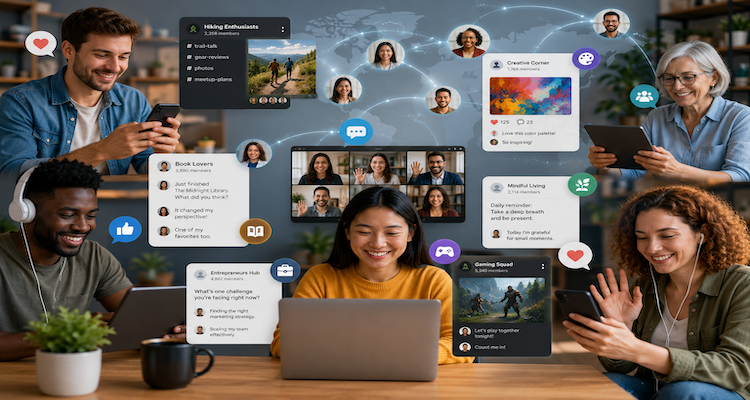
Platforms such as Reddit, Discord, Facebook Groups, Slack communities, and specialized forums have become gathering places where people exchange knowledge, provide emotional support, and build lasting relationships.
What appears from the outside to be a simple online discussion often functions as a modern version of a neighborhood gathering place.
The Rise of Identity-Based Communities
An important cultural shift is also underway.
Many traditional communities were organized around where people lived. Increasingly, communities are organized around who people believe themselves to be.
Shared interests, career ambitions, creative pursuits, health journeys, and personal values now play a larger role in shaping social connections.
This transformation reflects a broader movement toward identity-driven participation. People are seeking environments where they feel understood rather than simply included.
As a result, communities built around common experiences can generate unusually strong bonds, even among people who have never met in person.
This helps explain why online communities often survive platform changes, technology shifts, and evolving trends. The technology is not the community. The shared identity is.
What Makes This Moment Different
Online communities have existed for decades, from early internet forums to message boards and chat rooms.
What makes the current moment different is the integration of digital communities into everyday life.
Smartphones ensure constant access. Social platforms recommend relevant groups with increasing accuracy. Video calls, live streaming, group chats, and collaborative tools make interaction more immediate and personal.
The distinction between online and offline relationships is becoming less clear.
Friends who meet through gaming platforms may eventually travel together. Professional connections formed through online communities can lead to business partnerships. Hobby groups often organize real-world events, conferences, and meetups.
Rather than replacing reality, digital communities increasingly extend into it.
The Hidden Insight: Community Is Becoming More Intentional
Perhaps the most overlooked aspect of this shift is that community is becoming a matter of choice rather than circumstance.
Historically, social circles were often inherited. People belonged to communities because of where they lived, worked, or were born.
Today, people actively curate their communities.
This creates a new social dynamic. Relationships are increasingly built around shared purpose instead of shared location.
That may lead to stronger engagement because participation is voluntary and driven by genuine interest. People are not merely present because they happen to be nearby. They are present because they want to be.
The implication is significant. Communities may become smaller, more specialized, and more meaningful, even as they become geographically dispersed.
The Benefits and Challenges of Digital Belonging
The rise of digital communities offers clear advantages.
People can access expertise, emotional support, professional networks, and educational resources that would otherwise be unavailable. Individuals who feel isolated in their local environment often discover a sense of belonging online.
Businesses and creators have also recognized the power of communities. Many organizations now focus on building community ecosystems rather than simply attracting audiences. Loyal communities can generate engagement, trust, and long-term relationships that traditional marketing struggles to achieve.
Yet challenges remain.
Online interactions can sometimes create echo chambers where similar viewpoints reinforce one another. Digital communities may also lack some of the depth that emerges from regular face-to-face interaction.
Maintaining healthy communities requires moderation, trust, and shared norms. Without those elements, engagement can become fragmented or transactional.
The future of community will likely depend on balancing digital convenience with meaningful human connection.
What This Trend Reveals About Society
The growing importance of digital communities reflects a broader social reality: people are actively searching for belonging.
Despite unprecedented connectivity, many individuals report feeling socially disconnected. The popularity of online communities suggests that the desire for meaningful relationships remains as strong as ever.
Technology is not creating this need. It is providing new ways to fulfill it.
The most successful communities are not succeeding because they are digital. They are succeeding because they satisfy timeless human needs—connection, recognition, support, and shared purpose.
That may be the most important lesson of all.
The future of social life is unlikely to be entirely online or entirely offline. Instead, it will be shaped by hybrid communities that combine digital accessibility with authentic human relationships.
As traditional social structures continue to evolve, online communities are becoming more than gathering spaces. For millions of people, they are becoming the places where friendships begin, identities develop, opportunities emerge, and belonging is found.
In that sense, digital communities are not replacing social circles. They are redefining what a social circle can be.
This content is published for informational or entertainment purposes. Facts, opinions, or references may evolve over time, and readers are encouraged to verify details from reliable sources.
Related News
- Why Communities Are Rediscovering Their Forgotten Local Legends
- When Language Becomes Invisible: How Translation Technology Is Reshaping Cultural Identity
- When Convenience Replaces Effort: The Hidden Cultural Costs of a Frictionless World
- Why Shared Experiences Are Replacing Shared Beliefs as the New Social Glue