







When Work Has No Fixed Address: How Remote Jobs Are Reshaping Travel

The traditional vacation once had a clear beginning and end. People left work behind, traveled for a short period, and then returned to their normal routines. That boundary is becoming increasingly blurred. For a growing number of professionals, travel is no longer an occasional escape from work, it is becoming the setting in which work happens.
What began as a temporary shift during the remote work boom has evolved into something much larger. Laptops, cloud-based tools, video conferencing, and flexible work policies have enabled millions of people to reconsider where they live, how they travel, and what a productive life looks like. The result is a cultural shift that is changing not only tourism but also ideas about home, community, and personal freedom.
The most interesting part of this transformation is not that people can work from anywhere. It is that many are beginning to organize their lives around that possibility.
Travel Is No Longer Separate From Daily Life
For decades, travel was defined by scarcity. People saved vacation days, planned itineraries, and squeezed experiences into limited windows of time.
Remote work has introduced a different model. Instead of taking a week-long trip, some workers spend months in a destination while continuing their regular jobs. A seaside town, mountain village, or foreign city becomes a temporary workplace rather than a holiday destination.
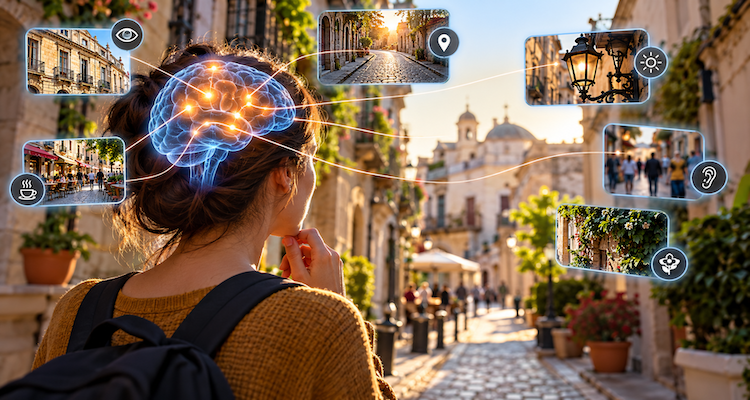
This shift changes the purpose of travel itself. Travelers are no longer rushing to see every attraction before flying home. Many are more interested in experiencing ordinary life, shopping at local markets, finding favorite cafés, joining fitness classes, or becoming familiar with a neighborhood.
The appeal lies in immersion rather than consumption.
As a result, destinations that were once overlooked because they lacked major tourist attractions are finding new appeal among remote workers seeking affordability, quality of life, and reliable internet connections.
The Rise of Lifestyle Geography
One of the most significant changes emerging from remote work is what might be called “lifestyle geography”, the ability to choose locations based on personal preferences rather than office proximity.
In the past, careers often dictated where people lived. Employment opportunities were concentrated in major cities, and workers followed the jobs.
Remote work has weakened that relationship.
Many professionals now evaluate destinations according to factors such as climate, cost of living, cultural atmosphere, outdoor access, safety, and community. The decision becomes less about where the office is located and more about where life feels most rewarding.
This trend has encouraged the growth of digital nomad communities in locations across Europe, Southeast Asia, Latin America, and beyond. Some governments have even introduced special visa programs designed to attract long-term remote workers who contribute to local economies without competing directly in local labor markets.
The broader implication is that geography is becoming a lifestyle choice rather than a professional requirement for a growing segment of workers.
Why This Moment Feels Different
People have traveled while working before. Freelancers, consultants, and entrepreneurs have long combined mobility with employment.
What makes the current moment different is scale.
Large companies increasingly support hybrid arrangements, distributed teams, and location flexibility. Collaboration platforms make communication possible across time zones, while cloud services allow employees to access resources from nearly anywhere.
The shift is not universal. Many industries still require physical presence, and some organizations have moved employees back into offices. Yet the idea that productive work can happen outside a traditional workplace has become widely accepted.
That cultural acceptance may be more important than the technology itself.
Once workers and employers experienced a different model, expectations changed. Even when companies require office attendance, employees often place greater value on flexibility than previous generations did.
The Hidden Trade-Offs of Living on the Move
The remote-work travel lifestyle is often portrayed through idealized images: ocean views, laptop-friendly cafés, and endless freedom.
Reality is more complicated.
Constant mobility can create challenges that traditional travelers rarely encounter. Building friendships becomes harder when locations change frequently. Time zone differences can disrupt work-life balance. Administrative tasks such as visas, healthcare access, taxes, banking, and housing become ongoing concerns.
There is also a psychological dimension.
Humans generally benefit from stability, routine, and a sense of belonging. While movement can be exciting, many long-term remote workers eventually discover that endless travel can feel surprisingly exhausting.
As a result, a growing number of location-independent professionals are adopting slower travel patterns. Rather than visiting multiple destinations in a month, they may stay in one place for several months or even a year.
This approach combines mobility with stability, creating a middle ground between tourism and permanent relocation.
The New Economics of Travel
Remote work is also influencing how destinations think about tourism.
Traditional tourism often depends on short-term spending concentrated during peak seasons. Remote workers behave differently. They rent apartments, purchase groceries, use local services, and participate in everyday economic activity.
For local businesses, these visitors can represent a more stable source of revenue than conventional tourists.
This trend is encouraging cities and regions to invest in infrastructure that appeals to long-term visitors, including coworking spaces, high-speed internet, flexible housing options, and community events.
The distinction between resident and visitor is becoming less clear. Some people spend enough time in a destination to contribute economically and socially without ever becoming permanent residents.
For tourism industries, that represents both an opportunity and a challenge. Destinations must balance economic benefits with concerns about housing affordability, cultural preservation, and local community needs.
A Deeper Cultural Shift Is Underway
Perhaps the most important insight is that remote-work travel is not fundamentally about travel.
It is about changing definitions of success.
For much of modern history, professional achievement was often associated with career advancement, office presence, and geographic stability. Increasingly, many workers are adding another measure of success: control over where and how they live.
This does not mean everyone wants to become a digital nomad. Many people prefer stable homes, local communities, and traditional workplace structures.
However, the existence of a viable alternative is reshaping expectations. Younger workers, in particular, often view location flexibility as a meaningful quality-of-life benefit rather than a luxury perk.
That shift may influence career decisions, housing choices, family planning, and even urban development for years to come.
What Happens Next?
The future of remote-work travel remains uncertain because workplace policies continue to evolve. Some organizations are encouraging office returns, while others remain committed to distributed workforces.
What seems more certain is that the relationship between work and place has changed permanently.
Even if remote work becomes less widespread than its peak years, the idea that employment must always be tied to a specific location has been challenged. Travelers, workers, businesses, and destinations are adapting to a world where mobility is increasingly integrated into everyday life.
The most lasting impact may not be the rise of digital nomads or remote-worker visas. It may be a broader cultural realization that people can design their lives differently than previous generations did.
For many, travel is no longer a temporary break from reality.
It is becoming part of reality itself.
This content is published for informational or entertainment purposes. Facts, opinions, or references may evolve over time, and readers are encouraged to verify details from reliable sources.