










Inside Japan’s Lonely Death Apartments and the Stories Left Behind
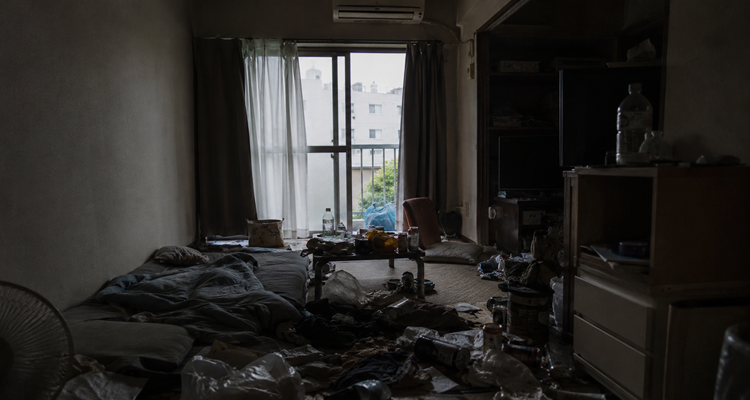
Some apartments in Japan remain vacant long after the police tape is removed and the rooms are cleaned. The reason is rarely supernatural. It is the silence that lingers after a person dies alone, unnoticed for days, weeks, or sometimes longer.
In Japanese cities where millions live side by side, isolation has become one of the country’s quietest social crises. The phenomenon is often referred to as kodokushi, or “lonely death”, a term used when people die alone and are discovered only after time has passed. Behind every case is not only a personal tragedy, but also a growing network of cleaners, landlords, neighbors, and property managers left to deal with the emotional and physical aftermath.
For many outsiders, the idea sounds unsettling because it clashes with the image of Japan as deeply connected through community and tradition. Yet modern urban life has altered those expectations. Aging populations, demanding work cultures, shrinking family structures, and increasing social withdrawal have changed how people live — and sometimes how they disappear.
The Apartments Nobody Wants to Rent
In cities like Tokyo and Osaka, small apartments are common. Many residents live alone, especially elderly people and workers who moved away from family for employment. When a lonely death occurs inside one of these units, the apartment can become difficult to rent again, even after renovation.
In Japan’s property market, apartments associated with deaths are often treated differently. Some are labeled as psychologically affected properties, known informally as jiko bukken. While laws and disclosure rules vary depending on circumstances, many renters remain hesitant to move into spaces connected to tragedy.
The hesitation is not always about fear of ghosts. More often, it reflects discomfort with the emotional history of the space. Potential tenants wonder what kind of life unfolded behind the closed curtains. They imagine unanswered phone calls, untouched meals, or neighbors who noticed strange smells before anyone realized something was wrong.
That emotional weight can linger longer than physical damage.
The Rise of Specialized Cleaning Companies
One of the most unusual industries connected to lonely deaths is the rise of specialized cleaning services. These companies do far more than ordinary maintenance. Workers are called into apartments after unattended deaths to sanitize rooms, remove belongings, and restore living spaces that may have been abandoned for extended periods.
The work is physically demanding, but many cleaners describe the emotional challenge as even harder. They enter private worlds frozen in time, calendars stopped on old dates, televisions still plugged in, family photos left untouched.
Unlike crime dramas or horror films, the reality is rarely dramatic. It is often painfully ordinary.
A half-finished cup of tea. Folded laundry. Prescription medicine on a table.
These details transform anonymous deaths into deeply human stories.
Some cleaners in Japan have spoken publicly in documentaries and interviews about how the job changed their understanding of loneliness. Many say the hardest part is realizing how invisible some people become before they die.
Why This Is Becoming More Common
Japan’s aging population plays a major role in the increase of lonely deaths. Many older adults live independently, especially after losing spouses or becoming disconnected from family members. At the same time, younger generations increasingly delay marriage or live alone in dense urban centers.
But the issue extends beyond age.
Social isolation can affect office workers, people struggling financially, and individuals who gradually withdraw from society. Japan has long faced conversations around overwork, emotional pressure, and social expectations. In some cases, people become disconnected slowly, with fewer daily interactions to alert others when something goes wrong.
Technology has complicated this reality in unexpected ways. Modern life allows people to function with minimal human contact. Groceries can be delivered. Bills can be paid online. Entertainment streams endlessly through phones and televisions.
A person can disappear socially without physically disappearing at all.
That shift represents one of the most important insights behind Japan’s lonely death phenomenon. Urban convenience, often celebrated as progress, can quietly reduce the number of human interactions that once acted as informal safety checks. Neighbors no longer knock on doors. Families communicate less frequently in person. Entire routines can exist digitally.
The result is a society where independence and isolation sometimes look almost identical.
The Neighbors Who Carry the Memory
For neighbors, lonely deaths often leave lasting emotional marks. In tightly packed apartment buildings, residents may replay small moments in their minds after a death is discovered.
They remember hearing footsteps that suddenly stopped. A mailbox that overflowed. A light left on for days.
Many people speak about guilt afterward, wondering whether they should have checked sooner.
Landlords and property managers face a different burden. Beyond financial losses from empty apartments, they often become responsible for contacting distant relatives, organizing cleanups, and handling possessions left behind. Some say the process feels less like property management and more like quietly managing forgotten lives.
There is also a cultural layer to the issue. In Japan, social harmony and privacy are both highly valued. People may avoid interfering in others’ lives out of respect. Yet that same distance can unintentionally deepen isolation.
Why the Stories Fascinate People Worldwide
Interest in lonely death apartments has spread globally through documentaries, books, YouTube channels, and urban exploration content. Part of the fascination comes from the eerie atmosphere surrounding abandoned personal spaces. But another reason is more universal: these apartments reflect fears many societies increasingly share.
Large cities around the world are becoming more disconnected despite constant digital communication. More people live alone than in previous generations. Remote work, online shopping, and digital entertainment have reshaped daily interaction patterns far beyond Japan.
The lonely apartment in Tokyo has become a symbol of something larger — the possibility that modern life can surround people with noise while leaving them emotionally unseen.
That is why these stories resonate. They are not really about haunted apartments. They are about what happens when human connection weakens quietly over time.
A Different Kind of Ghost Story
The most haunting part of Japan’s lonely death apartments is not the rooms themselves. It is the evidence that someone’s absence went unnoticed.
Some communities in Japan are now experimenting with ways to address isolation, including welfare check systems, neighborhood monitoring programs, and technology designed to detect unusual inactivity in homes. Businesses have also adapted, offering services aimed at supporting elderly people living alone.
Whether these efforts will fully address the problem remains uncertain. But the conversation itself has become increasingly important as other countries begin facing similar demographic and social shifts.
The empty apartments left behind by lonely deaths are often discussed as urban mysteries. In reality, they reveal something much simpler and more uncomfortable: modern societies can become efficient enough to let people vanish quietly.
And sometimes the stories left behind are less about death than about the fragile connections people failed to notice while someone was still alive.
This content is published for informational or entertainment purposes. Facts, opinions, or references may evolve over time, and readers are encouraged to verify details from reliable sources.