






Places That Felt Real Until Something Felt Wrong
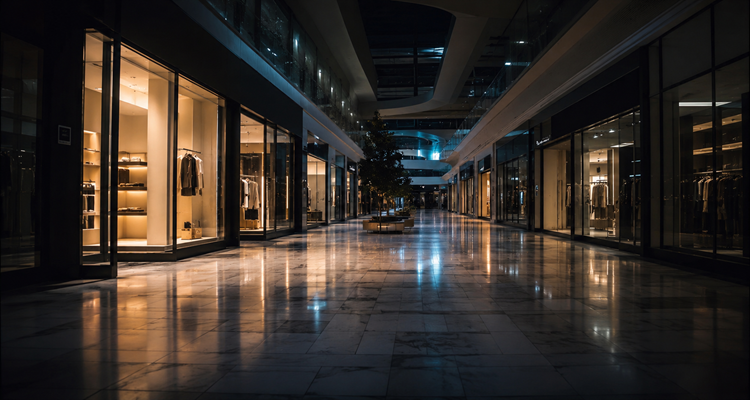
The hallway lights were on. The vending machines hummed softly. Somewhere in the distance, an elevator chimed. Nothing looked broken or abandoned, yet the building felt deeply wrong.
That is what makes certain places so unsettling. They appear ordinary at first glance, a shopping mall, a train station, a neighborhood street — but something invisible feels missing. The air seems too still. The silence stretches too far. Even familiar spaces begin to feel staged, as if reality itself has slipped slightly out of place.
Stories about these experiences are spreading across the internet faster than traditional ghost stories ever did. Videos of empty airports, deserted office floors, silent hotels, and strangely vacant supermarkets attract millions of views because they tap into a specific modern fear: the fear of spaces that look alive but somehow feel disconnected from human presence.
The Rise of the “Unreal” Place
People have always feared abandoned places, but today’s fascination is different. These locations are not necessarily ruined or visibly dangerous. Often, they are clean, operational, and perfectly normal on paper.
A person walks into an underground parking garage late at night and suddenly feels disoriented. Someone enters a nearly empty shopping center where every store is open but no customers appear. Another traveler arrives at a quiet train platform where announcements echo through empty corridors.
The discomfort comes from contradiction. Human brains are built to recognize patterns. Busy places should contain movement, noise, and interaction. When those signals disappear, the mind starts searching for explanations. That tension creates a strange emotional effect: familiarity mixed with unease.
Online culture has given this feeling a name through concepts like “liminal spaces,” a term used to describe transitional environments that feel suspended between two realities. Long hotel corridors, empty schools during summer break, office buildings after midnight, and airports at dawn all fit the pattern.
The images often go viral because viewers instantly recognize the sensation, even if they have never experienced the exact location themselves.
Why These Places Feel So Disturbing
The fear is rarely about physical danger. Most people describing these experiences are not being chased, threatened, or harmed. Instead, they describe a psychological discomfort that is harder to explain.
Part of the effect comes from how modern environments are designed. Shopping malls, airports, corporate buildings, and chain hotels are intentionally standardized. Their layouts repeat across cities and countries. Lighting, flooring, furniture placement, and background music are often carefully controlled.
When those spaces lose human activity, they begin to resemble simulations of real life rather than life itself.
This became especially noticeable during pandemic lockdowns, when normally crowded places suddenly stood empty. Videos of vacant city centers and silent transit stations created a lasting cultural memory. For many people, those images permanently changed how they perceive public spaces.
A nearly empty mall no longer feels impossible. It feels plausible , and that realism makes it more unsettling.
The Internet Turned a Feeling Into a Genre
Platforms like YouTube, TikTok, and Reddit transformed these experiences into a shared visual language. Entire communities now collect images and stories of places that feel “off” without obvious explanation.
Unlike traditional horror, these stories rely on atmosphere instead of monsters. There is no clear threat. The tension comes from uncertainty.
One person describes accidentally walking through a fully lit office building at midnight with no employees inside. Another remembers entering a suburban neighborhood where no cars moved, no curtains shifted, and no sounds existed beyond distant electrical buzzing.
The scariest part is often how believable the stories sound.
This realism matters because modern audiences are increasingly drawn toward subtle psychological discomfort rather than exaggerated horror. Viewers do not necessarily want jump scares. They want experiences that linger afterward, making ordinary environments feel unfamiliar the next time they encounter them.
That shift has influenced entertainment as well. Films, games, and digital creators increasingly focus on empty architecture, unnatural silence, and distorted normality instead of traditional supernatural threats.
The Emotional Connection Behind the Trend
There is also a deeper social reason these stories resonate today.
Modern life contains more isolation than many public spaces were designed for. Remote work, online shopping, food delivery apps, and digital entertainment have reduced the amount of spontaneous human interaction in everyday environments.
As a result, spaces built for crowds now sometimes feel strangely hollow.
Large malls struggle with declining foot traffic in some regions. Office buildings sit partially occupied due to hybrid work schedules. Late-night retail spaces operate with minimal staff. Entire neighborhoods can appear quiet for hours because people socialize online instead of outdoors.
These changes subtly reshape how public spaces feel emotionally.
An empty shopping center in the 1990s may have seemed unusual. Today, it can feel symbolic — a reminder of how much human behavior has shifted into digital environments.
That cultural transition helps explain why younger audiences connect strongly with “unreal place” stories. They are not only reacting to spooky environments. They are reacting to a changing relationship between people and physical spaces.
When Familiar Places Stop Feeling Human
One of the most powerful aspects of these experiences is that they often happen in places designed to feel comforting.
Hotels are meant to feel welcoming. Airports are designed for movement and connection. Cafés are associated with social activity. Schools represent routine and structure.
When those environments become unusually empty or emotionally disconnected, people experience a subtle cognitive conflict. The setting says “normal,” but the atmosphere says otherwise.
That mismatch creates lingering discomfort because the brain struggles to categorize what feels wrong.
Architects and urban planners have quietly studied similar ideas for years. Lighting, ceiling height, sound reflection, and crowd density all affect emotional perception. A brightly lit hallway with no visible activity can feel more unsettling than a dark alley because it violates expectation.
The insight here is important: fear is not always triggered by danger itself. Sometimes it is triggered by the absence of expected human signals.
That explains why a silent supermarket at 2 a.m. can feel stranger than an abandoned ruin.
The Future of “Unreal” Spaces
As cities become more automated and digitally connected, these experiences may become even more common.
Self-checkout systems reduce interaction. Remote work changes office occupancy patterns. AI-generated voices replace live announcements in some environments. Smart buildings operate with fewer visible workers.
Public spaces increasingly function without obvious human presence.
That does not mean society is becoming less real, but it does mean environments may continue feeling emotionally different from what previous generations expected.
The fascination with uncanny places reflects a broader cultural question: what happens when human presence slowly disappears from spaces built around human activity?
For now, people continue sharing stories online because the feeling is difficult to forget once experienced. Most encounters are harmless. No ghosts appear. No dramatic event occurs.
Someone simply enters a place that looks completely normal, until, for reasons they cannot fully explain, it suddenly does not.
And that uncertainty lingers far longer than any traditional horror story.
This content is published for informational or entertainment purposes. Facts, opinions, or references may evolve over time, and readers are encouraged to verify details from reliable sources.