





Why Wild Animals Are Showing Up in Cities More Often
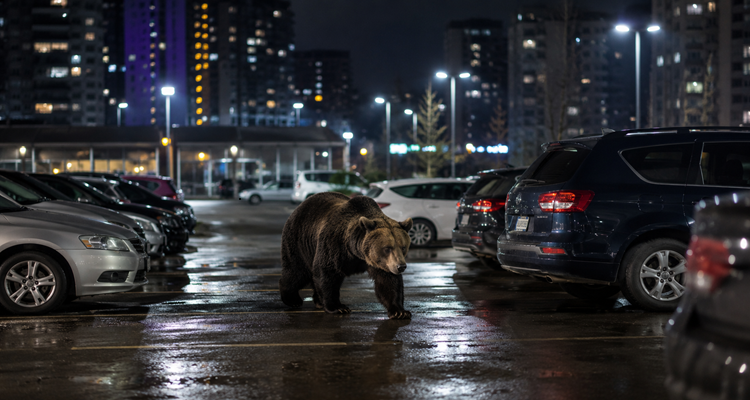
A bear wandering through a supermarket parking lot no longer feels like a once-in-a-generation headline. Leopards have appeared near suburban neighborhoods, coyotes are crossing city streets in broad daylight, and monkeys are increasingly common in dense urban areas across parts of Asia. What once seemed rare now feels strangely familiar.
The shift is not just about animals “losing their way.” In many cases, wildlife is adapting to human environments because human expansion has transformed the natural ones they once depended on. Cities are no longer isolated from ecosystems; they are becoming ecosystems themselves.
That change says as much about human behavior as it does about animals.
Cities Are Expanding Faster Than Wildlife Can Retreat
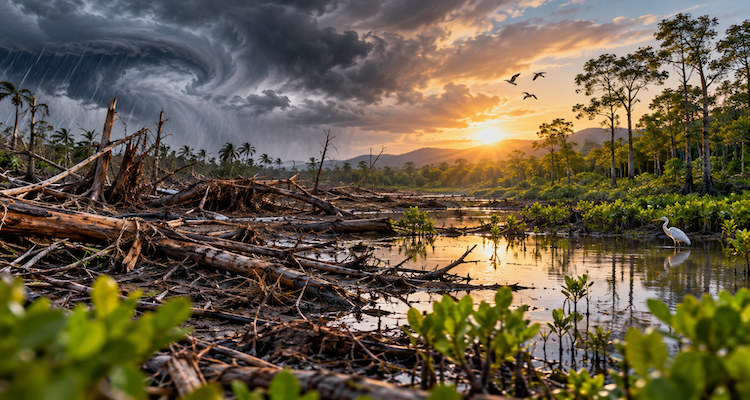
Urban growth rarely happens in space. Roads cut through migration routes, suburbs replace forests, and industrial development spreads into wetlands and grasslands that once supported stable wildlife populations.
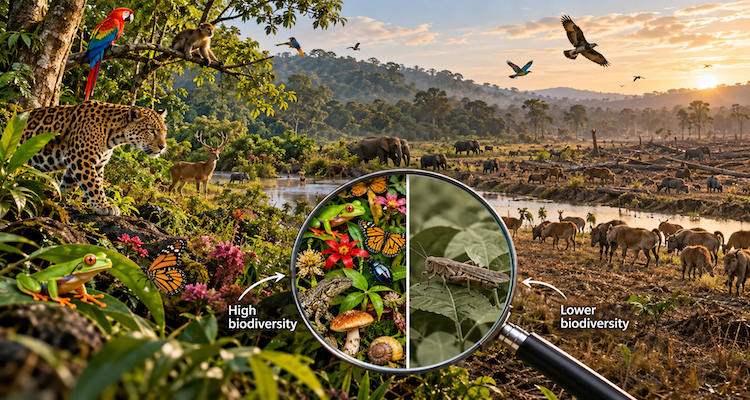
As human settlements expand outward, the boundaries between urban and wild environments become harder to define. Animals that historically avoided people now find themselves navigating highways, apartment complexes, and commercial districts simply because their habitats have shrunk or fragmented.
This is especially visible around fast-growing cities where development pushes into previously untouched land. Forest edges become housing projects. Dry riverbeds become infrastructure corridors. Wildlife doesn’t disappear overnight; it adjusts, often in unpredictable ways.
Some species retreat deeper into the remaining wilderness. Others adapt.
And the animals adapting tend to be the ones people notice most.
Human Cities Have Become Unexpected Food Ecosystems
One of the biggest reasons wildlife enters urban areas is surprisingly simple: food.
Cities generate enormous amounts of edible waste. Overflowing garbage bins, restaurant disposal areas, pet food left outdoors, backyard gardens, and even compost systems create reliable feeding opportunities for animals that are intelligent and opportunistic.
For species like raccoons, foxes, wild boars, monkeys, and bears, urban areas can become easier places to survive than their natural habitats. Finding food in the wild requires energy and risk. In cities, calories are concentrated and predictable.
This has quietly reshaped animal behavior.
Instead of seasonal movement patterns tied strictly to forests or water sources, some animals now build routines around human activity. They learn traffic patterns, garbage collection schedules, and low-risk entry points into neighborhoods.
Wildlife researchers have observed that certain animals are becoming more nocturnal in cities, not because they fear humans entirely, but because they are adapting to human schedules. The city becomes less threatening after dark.
That adaptation may be one of the clearest signs that wildlife is evolving behaviorally faster than many people expected.
Heat, Light, and Noise Are Changing Animal Movement
Urban environments do more than consume land; they alter climate conditions locally.
Cities create “heat islands,” where concrete and asphalt absorb and retain more heat than surrounding natural areas. Artificial lighting disrupts navigation patterns for birds, insects, and nocturnal species. Constant noise affects communication, hunting, and breeding behavior.
For some animals, these changes are harmful. For others, they create entirely new survival opportunities.
Warmer urban temperatures can extend feeding seasons for certain species. Artificial lights attract insects, which then attract predators. Drainage systems and abandoned structures provide shelter in ways that mimic caves or natural hiding spots.
In effect, cities unintentionally create alternative habitats.
The result is not an “animal invasion” in the dramatic sense often portrayed online. It is a large-scale ecological adjustment happening in real time.
Social Media Has Changed How People Experience Wildlife Encounters
A leopard spotted near a neighborhood decades ago may have become a local rumor. Today, it becomes a viral video within minutes.
That visibility changes public perception. Wildlife encounters now travel through social media feeds alongside entertainment clips and breaking news alerts, creating a constant sense that cities are suddenly overrun with animals.
In reality, some incidents are genuinely increasing, while others simply receive more attention because smartphones document them instantly.
Still, the emotional reaction is real.
Urban wildlife stories trigger a unique mix of fascination and anxiety because they disrupt the assumption that cities are fully controlled human spaces. Seeing a wild animal in a parking garage or suburban backyard creates psychological tension: nature is no longer “somewhere else.”
That cultural shift matters because it influences policy, urban planning, and even real estate conversations in expanding cities.
The Bigger Insight: Wildlife Is Learning Human Systems
Perhaps the most important insight is not that animals are entering cities. It is that many are learning how cities work.
Some species are showing remarkable adaptability to human behavior. They avoid peak traffic hours, recognize patterns of human movement, and exploit infrastructure in ways that resemble problem-solving rather than random wandering.
This creates a new kind of ecological relationship, one where wildlife is not merely displaced by civilization but increasingly shaped by it.
That distinction changes how future urban planning may need to operate.
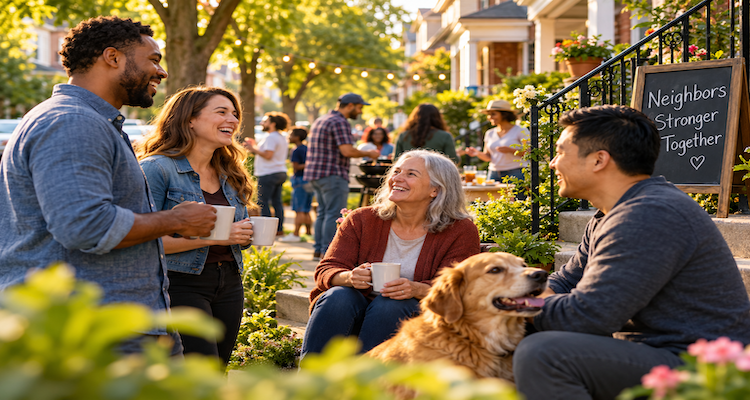
Traditional city design often treats nature as something separate: parks here, buildings there. But wildlife movement suggests those divisions are becoming unrealistic. Urban planners, transportation authorities, and environmental agencies are increasingly forced to think about “coexistence infrastructure,” including wildlife corridors, protected migration routes, and safer waste management systems.
The issue is no longer confined to conservation groups. Insurance companies, public safety departments, tourism sectors, and housing developers all have a stake in how wildlife adapts to expanding urban environments.
Why This Moment Feels Different
Human expansion has affected wildlife for centuries. What feels different now is the speed and visibility of the transition.
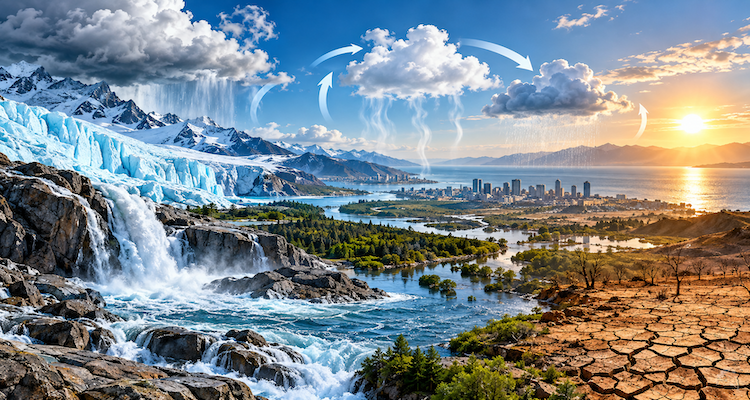
Rapid urbanization, climate pressures, and digital connectivity are colliding at the same time. Cities are growing outward while ecosystems face rising stress from heat, drought, and habitat fragmentation. At the same moment, every unusual wildlife encounter is instantly amplified online.
The result is a growing awareness that urban environments are less separate from nature than modern societies once believed.
This does not necessarily mean cities will become unsafe wilderness zones. Most wildlife avoids direct human conflict whenever possible. But it does suggest that encounters between people and wild animals may become a more normal part of urban life.
And that forces an uncomfortable question: if animals are adapting to human civilization faster than civilization adapts to ecological reality, what does that say about the future of development itself?
The answer may determine not only how cities grow, but whether they can remain sustainable without pushing more species into increasingly desperate forms of coexistence.
This content is published for informational or entertainment purposes. Facts, opinions, or references may evolve over time, and readers are encouraged to verify details from reliable sources.