







When Wildlife Moves In: The Hidden Urban Shift
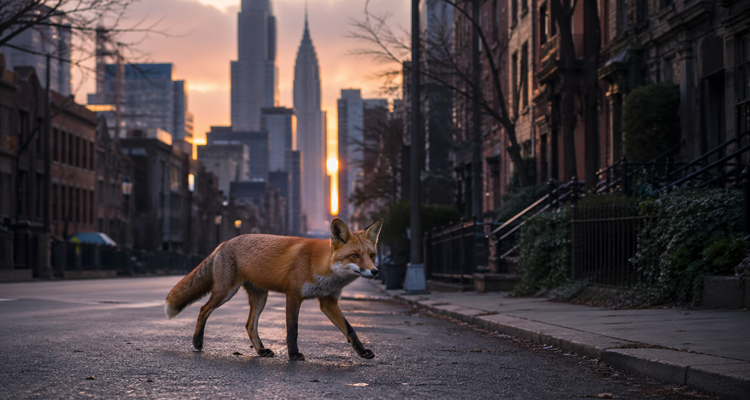
At dawn in cities once defined by traffic and concrete, something quieter is unfolding. Foxes slip through alleyways, monkeys claim rooftops, and even leopards have been spotted on the fringes of expanding suburbs.
What was once rare is becoming routine: wild animals are moving into cities and not by accident.
A New Urban Reality Taking Shape
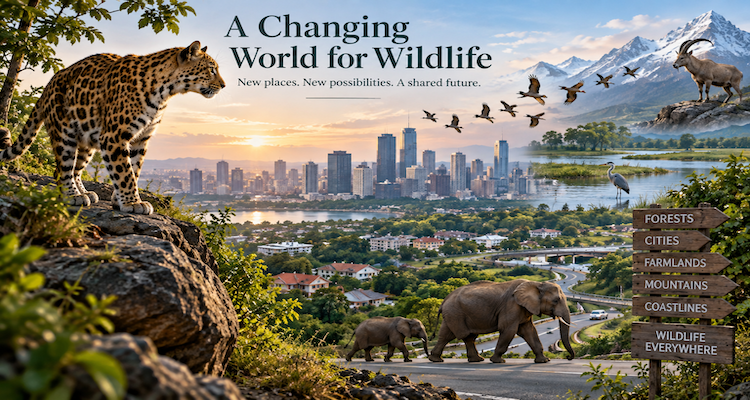
Across the world, reports of wildlife entering urban spaces are increasing. In India, monkeys and leopards are now frequent visitors to rapidly expanding cities like Delhi and Mumbai. In the United States, coyotes roam suburban neighborhoods, while in Europe, wild boars wander through parks and streets.
These are not isolated incidents. They represent a broader ecological shift where animals are adapting to human-dominated landscapes. Cities, with their food waste, water sources, and warmer microclimates, are becoming unexpectedly attractive habitats.
Urban environments offer something wildlife increasingly struggles to find elsewhere: stability.
Why Animals Are Leaving Their Natural Habitats
The primary driver behind this movement is habitat loss. Expanding cities, deforestation, and infrastructure development are steadily shrinking the natural ecosystems that animals once relied on.
As forests are fragmented and food chains disrupted, animals are forced to adapt or disappear. Many are choosing adaptation.
Climate change is accelerating the shift. Rising temperatures, erratic rainfall, and extreme weather events are altering migration patterns and food availability. For some species, urban areas now offer more predictable conditions than the wild.
Human activity has unintentionally reshaped the rules of survival.
Cities as Unexpected Safe Havens
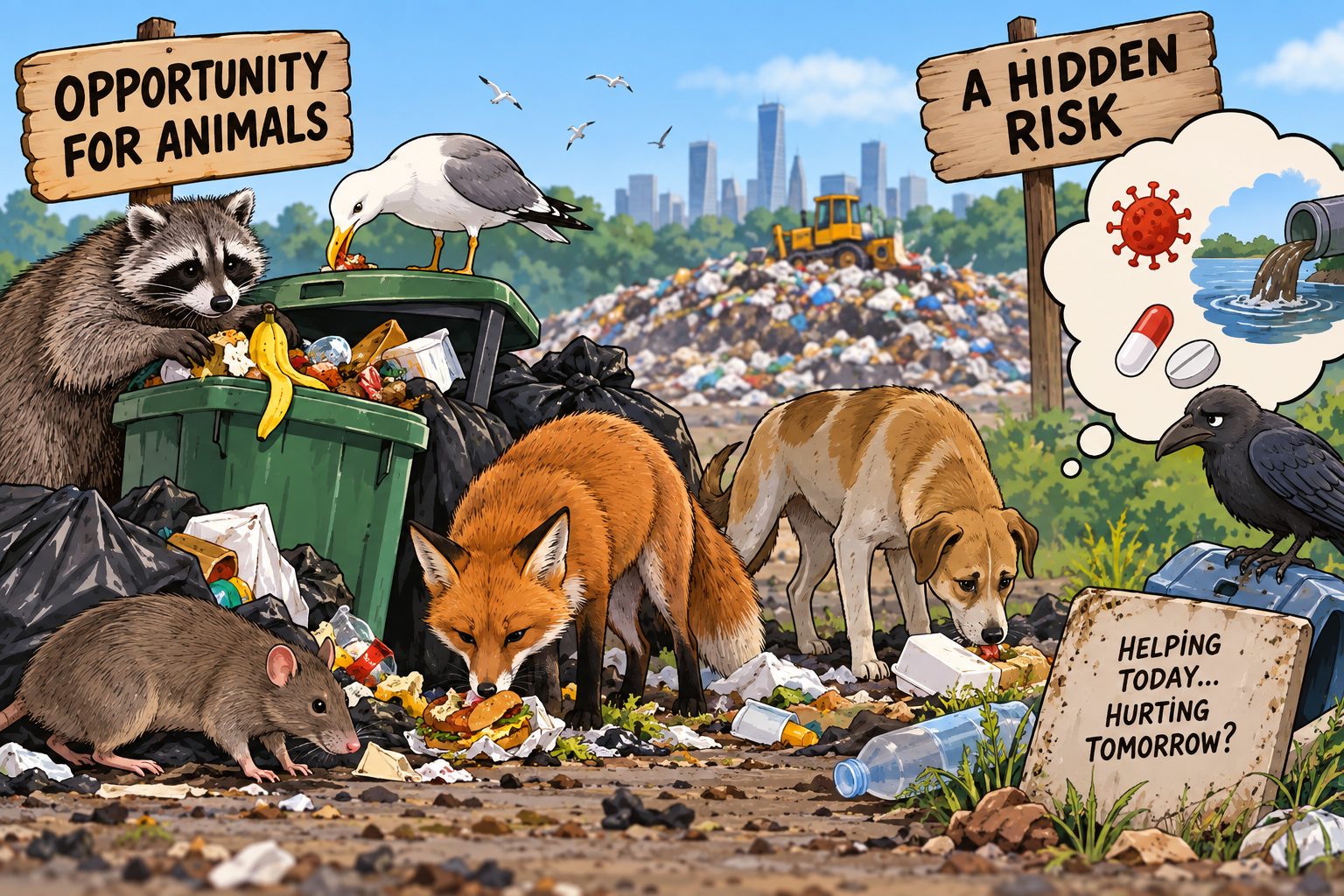
Urban areas may seem hostile, but for certain animals, they provide surprising advantages. Food waste from households, restaurants, and markets creates a consistent supply. Parks, gardens, and green belts offer shelter. And in some cases, reduced hunting pressure makes cities safer than rural areas.
During global lockdowns in 2020, this dynamic became more visible. With fewer humans on the streets, wildlife ventured further into urban zones, revealing just how close they already were.
What appeared to be a temporary phenomenon was, in reality, a glimpse into an ongoing transition.
Why This Matters for Humans
The growing presence of wildlife in cities brings both fascination and risk.
On one hand, it reconnects urban populations with nature in unexpected ways. On the other hand, it raises concerns about safety, disease transmission, and human-wildlife conflict.
Encounters with animals like leopards or wild boars can quickly turn dangerous, especially in densely populated areas. Even smaller species, such as monkeys, can become aggressive when accustomed to human food sources.
There’s also a public health dimension. Increased proximity between humans and wildlife raises the risk of zoonotic diseases, illnesses that can jump from animals to humans.
City planning, once focused solely on human needs, now faces a more complex challenge: coexistence.
What’s Different This Time
Wild animals entering cities is not entirely new. But the scale, frequency, and diversity of species involved today mark a significant shift.
In the past, such incidents were rare and often triggered by isolated disruptions. Now, they are becoming part of a broader pattern driven by structural changes in the environment.
Technology is also changing how we observe this trend. Smartphone cameras, social media, and surveillance systems are capturing encounters that might have gone unnoticed before. Platforms like YouTube and Instagram have amplified these sightings, turning them into global conversations.
But beyond visibility, the underlying reality is clear: the boundary between urban and wild spaces is dissolving.
The Bigger Ecological Picture
This shift reflects a deeper imbalance in how land is used and managed. As cities expand without integrated ecological planning, they inadvertently create hybrid environments where human and animal territories overlap.
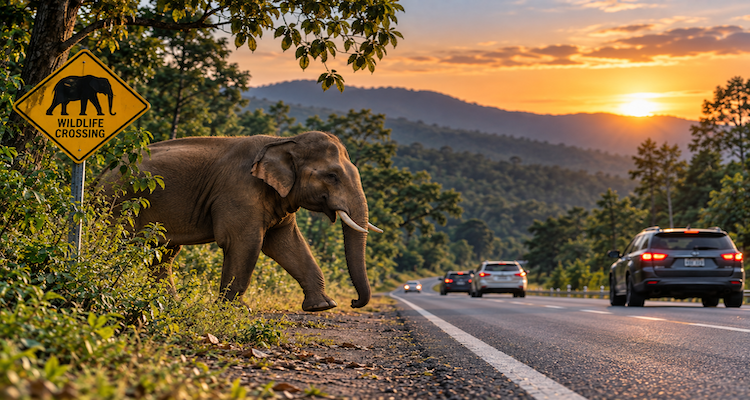
Some urban planners and environmental organizations are beginning to respond. Concepts like wildlife corridors, green infrastructure, and biodiversity-friendly design are gaining attention.
Cities like Singapore have invested heavily in maintaining ecological connectivity, allowing wildlife to move safely between habitats. Similar approaches are being explored in parts of Europe and North America.
The goal is not to push wildlife out, but to manage coexistence more intelligently.
A Behavioral Shift We’re Only Beginning to Understand
Perhaps the most profound change is not ecological but psychological.
For decades, urban life has been defined by separation from nature. The presence of wildlife in cities challenges that assumption, forcing people to reconsider their relationship with the natural world.
This is not just about animals adapting to cities. It’s about humans adapting to a new reality where nature is no longer confined to distant forests or protected reserves.
The question is no longer how to keep wildlife out, but how to live alongside it.
What Comes Next
The trend is unlikely to reverse. As urbanization continues and climate pressures intensify, more species will seek refuge in human-dominated spaces.
The response will shape the future of both cities and ecosystems.
Better waste management can reduce food incentives for animals. Urban design can incorporate safe passages and natural buffers. Public awareness can help prevent risky interactions.
Governments, city planners, and communities will need to collaborate in ways that were not previously necessary.
Because the movement of wildlife into cities is not a temporary disruption, it’s a signal of a changing world.
And how humans respond may determine whether this shift leads to conflict or coexistence.
This content is published for informational or entertainment purposes. Facts, opinions, or references may evolve over time, and readers are encouraged to verify details from reliable sources.
Related News
- The Animals That Benefit From Human Waste Until the Advantage Turns Against Them
- Why Wildlife Is Showing Up in Places Scientists Once Considered Unlikely
- The Hidden Wildlife Cost of Roads: What Animals Lose Beyond the Roadkill We See
- Why Animals Are Learning to Live With Cities Instead of Escaping Them