










Why Some Restaurants Don’t Want You to Know Who’s Cooking
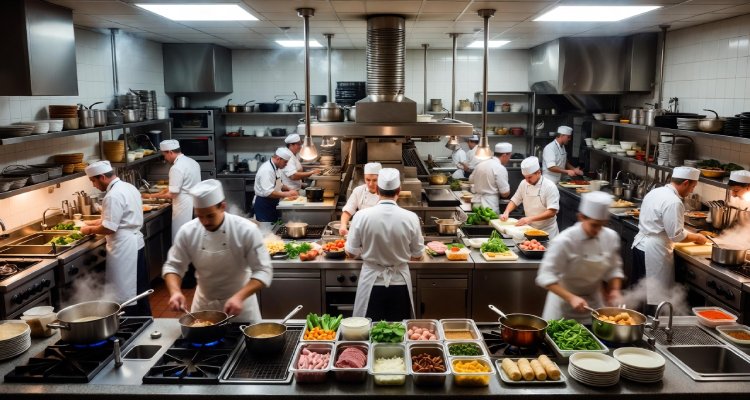
Why some restaurants hide who’s actually cooking their food—and how branding, labor realities, and ghost kitchens are reshaping transparency in dining.
Introduction: When the Kitchen Becomes a Mystery
At a time when diners obsess over ingredient sourcing, sustainability, and farm-to-table transparency, one detail often remains deliberately hidden: who is actually cooking the food. Behind the swinging doors of many restaurants—some upscale, some casual—the identity, role, and even presence of the chef can be far more complex than the menu suggests. While restaurant branding frequently celebrates a singular culinary figure, the reality in many kitchens tells a different story, one that some establishments would rather keep out of sight.
Context & Background: The Rise of Chef Branding
Over the past two decades, the restaurant industry has transformed chefs into brands. Celebrity chefs anchor television shows, social media feeds, cookbooks, and restaurant empires. Their names appear on menus, storefronts, and press releases, creating a promise of quality and consistency.
Yet as restaurants scale up, expand to multiple locations, or adopt delivery-first models, the physical presence of these chefs in the kitchen becomes increasingly rare. In many cases, the person whose name draws customers may not be the one preparing the food at all.
This gap between perception and reality is not new, but growing consumer interest in transparency has made it more controversial.
Main Developments: Why Some Kitchens Prefer Secrecy
1. The Business of Absence
In multi-location restaurants, the head chef often functions more like a creative director—designing menus, training staff, and overseeing brand standards. Day-to-day cooking is left to line cooks, sous chefs, or contracted kitchen staff.
Restaurants may avoid highlighting this structure because it risks undermining the brand promise. Diners paying premium prices often expect the “named chef experience,” even if that expectation is unrealistic at scale.
2. High Turnover in Professional Kitchens
The restaurant industry has one of the highest employee turnover rates globally. Long hours, physical strain, and relatively low pay mean kitchen staff change frequently. Publicly emphasizing individual cooks could expose instability or inconsistency—something restaurants prefer not to advertise.
3. Ghost Kitchens and Virtual Brands
The explosion of ghost kitchens has further blurred accountability. A single kitchen may produce food for multiple brands, each with different names, menus, and marketing identities. In such setups, the cook’s identity becomes irrelevant to the brand narrative, making transparency inconvenient.
4. Immigration and Labor Realities
In many countries, including the U.S., a significant portion of kitchen labor is performed by immigrant workers. Some restaurants fear that spotlighting their workforce could invite scrutiny—legal, political, or social—despite these workers being the backbone of the operation.
Expert Insight & Public Reaction
Food industry analysts note that the disconnect between branding and labor reflects broader structural issues.
“Restaurants sell a story as much as they sell food,” says one hospitality consultant. “But the story is often simplified because the truth is messier and harder to market.”
Among diners, reactions are mixed. Some argue that good food matters more than who cooked it, while others feel misled when restaurants imply personal chef involvement that doesn’t exist.
Social media has amplified this debate. Viral posts exposing absentee celebrity chefs or mass-produced “artisan” meals have sparked backlash, forcing some restaurants to clarify their kitchen practices publicly.
Impact & Implications: What This Means for Diners and Workers
For Consumers
As diners become more informed, expectations are shifting. Transparency—about sourcing, pricing, and labor—can build trust. Restaurants that openly explain how their kitchens operate may ultimately gain credibility, even if it challenges traditional marketing myths.
For Kitchen Staff
Acknowledging the real cooks behind the food could elevate the status of kitchen labor, improve morale, and encourage fairer working conditions. However, it may also expose workers to pressure, scrutiny, or exploitation if not handled ethically.
For the Industry
The future may favor restaurants that embrace honesty over illusion. Some establishments are already listing kitchen teams on websites, rotating chef features, or redefining the meaning of “chef-driven” dining.
Conclusion: Transparency Is the Next Ingredient
The question of who is cooking isn’t just about curiosity—it’s about trust, labor, and authenticity. As the restaurant industry evolves, the old model of selling a single face while hiding a collective effort is becoming harder to justify.
In a world where diners demand to know where their food comes from, it may soon be just as important to know who made it. Restaurants that choose openness over mystique may discover that transparency, not secrecy, is the most sustainable recipe for success.
Disclaimer: This article is based on industry observations and widely discussed restaurant practices. It does not target or accuse any specific restaurant or individual.