










Why We Now Treat Memories Like Collectibles
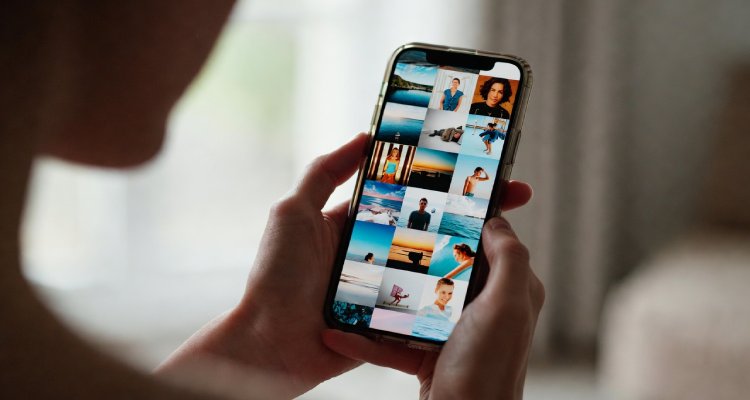
In the digital age, memories are curated, traded, and showcased like collectibles, transforming how we value personal experiences.
Introduction: The New Age of Memory
Imagine scrolling through your phone and seeing your childhood birthday video alongside someone else’s vacation highlight reel. In a world dominated by social media and digital platforms, memories are no longer private snapshots of the past—they are curated, shared, and even traded like rare collectibles. This cultural shift raises a provocative question: Why are we now treating memories like collectibles, and what does it reveal about society?
Context & Background: From Albums to NFTs
For centuries, memories were personal treasures—photos tucked into albums, journals written in secrecy, or oral stories passed down through generations. The rise of digital technology fundamentally changed this dynamic. Smartphones, cloud storage, and social media platforms have made memory instantly shareable, and the concept of “curation” has become central.
Adding a new twist, blockchain technology and Non-Fungible Tokens (NFTs) have introduced the notion of memory as a digital asset. Rare moments can now be tokenized and sold, turning memories into commodities that exist simultaneously in personal and public spheres.
Main Developments: Memory as a Market
The market for collectible memories has expanded dramatically in the last decade. Social media platforms encourage users to showcase their experiences, effectively turning memories into digital currency in the form of likes, shares, and engagement. Meanwhile, NFT marketplaces allow creators to mint personal moments—videos, art, or even tweets—transforming them into verifiable digital assets that can appreciate in value.
Consider the rise of celebrity NFT projects, where personal videos or historic tweets have sold for millions. Beyond celebrity culture, individuals are also exploring ways to monetize unique experiences, from extreme sports footage to intimate art projects, creating a new economy where memories are both sentimental and financial assets.
Expert Insight and Public Reaction
Cultural theorists and psychologists warn that this trend has profound implications. Dr. Amanda Lytton, a digital culture researcher at the University of London, notes, “When memories become collectibles, their value is no longer purely emotional. People start to curate experiences for their marketability, potentially changing how we live and remember.”
Public reaction is mixed. While many embrace the ability to immortalize and monetize their experiences, critics argue it fosters performative living, where moments are staged for digital validation rather than personal fulfillment. Social media researcher Leo Nguyen adds, “The pressure to document every experience can erode spontaneity, turning life into a series of transactions rather than genuine memories.”
Impact and Implications: Society, Identity, and Memory
Treating memories like collectibles has wide-ranging implications. Psychologically, it can affect how people internalize experiences, potentially shifting focus from living in the moment to creating marketable content. Economically, the rise of memory NFTs introduces new financial opportunities but also ethical concerns regarding privacy and ownership.
Culturally, this trend challenges traditional notions of memory as personal and intimate. Future generations may inherit a world where memories are not only archived but also traded, auctioned, and publicly displayed, redefining how we understand personal history and collective memory.
Conclusion: Curating the Future of Memory
The transformation of memories into collectibles is more than a technological trend—it reflects a deep cultural shift in how we value experiences. While digital curation and monetization offer exciting possibilities, they also force us to reconsider the meaning of memory in the digital era. As technology evolves, society must balance the allure of sharing, trading, and preserving memories with the need to experience life authentically.
Disclaimer: This article is for informational purposes only and does not constitute financial or investment advice.