







When Corporations Begin Predicting Your Life Better Than You Can
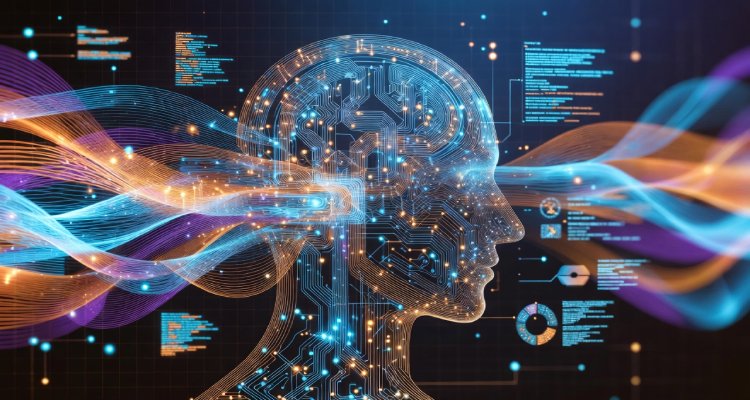
As corporations use AI to predict human behavior, questions arise about privacy, power, and autonomy in a future shaped by algorithms.
Introduction: The Algorithm That Knows You Before You Do
The phone buzzes with a notification suggesting a new health supplement—hours before you realize you’ve been feeling unusually tired. A streaming platform queues up a documentary that mirrors a question you’ve barely articulated to yourself. A bank quietly adjusts your credit limit just as your spending habits begin to shift.
None of this feels accidental anymore.
In an era dominated by data, corporations are no longer just reacting to consumer behavior—they are increasingly anticipating it. Using advanced algorithms, machine learning, and oceans of personal data, companies are beginning to predict what people will buy, believe, feel, and even do next—sometimes with unsettling accuracy. The result is a growing sense that corporations may understand the trajectories of our lives better than we do ourselves.
This silent transformation raises a profound question: What happens when predictive systems start shaping human destiny instead of merely observing it?
Context & Background: The Rise of Predictive Capitalism
Predictive analytics is not new. For decades, businesses have analyzed past behavior to forecast demand. What has changed is scale, speed, and intimacy.
Today’s corporations sit atop vast data ecosystems that include:
- Purchase histories
- Location tracking
- Search queries
- Social media interactions
- Health metrics from wearables
- Voice recordings from smart devices
Powered by artificial intelligence, these datasets are no longer used only to understand markets—they are used to model individual lives.
This shift has given rise to what some researchers call predictive capitalism, an economic system where future human behavior becomes a commodity. The more accurately a company can forecast your next move, the more valuable you become as a data subject.
Major tech firms, financial institutions, insurers, retailers, and even employers now rely on predictive models to guide decisions that once depended on human judgment.
Main Developments: How Prediction Became Power
From Recommendation to Preemption
What began as simple recommendation engines—“Customers also bought”—has evolved into systems that preempt decisions.
Retailers can predict pregnancies based on subtle changes in shopping patterns. Streaming platforms can infer emotional states from viewing behavior. Financial algorithms can flag potential job loss or divorce risks by analyzing spending volatility.
These systems don’t just respond to life events—they often anticipate them before individuals consciously recognize the change.
Why It Matters
Prediction confers power.
When corporations can foresee consumer needs, they can:
- Influence choices through targeted nudges
- Adjust pricing dynamically based on perceived willingness to pay
- Determine access to credit, insurance, or employment opportunities
- Shape information exposure, reinforcing certain beliefs or behaviors
The concern is not simply accuracy, but asymmetry—companies know more about individuals than individuals know about the systems shaping them.
Invisible Influence
Unlike traditional advertising, predictive influence is subtle. Decisions appear self-directed, even as algorithms quietly steer outcomes. This blurring of autonomy and automation challenges long-held assumptions about free choice in a digital economy.
Expert Insight & Public Reaction: Between Efficiency and Unease
Technology executives often frame predictive systems as tools of efficiency and personalization.
“Prediction allows us to reduce friction in everyday life,” one data scientist at a global technology firm noted. “When systems anticipate needs, they save time and reduce decision fatigue.”
Privacy researchers, however, are less optimistic.
Some warn that predictive models risk becoming self-fulfilling prophecies—where algorithmic expectations shape outcomes. If a system predicts lower earning potential, for example, it may restrict opportunities, reinforcing inequality rather than mitigating it.
Public sentiment reflects this tension. While consumers appreciate convenience, surveys consistently show discomfort with how much corporations know—and how little transparency exists around data use.
Trust, once broken, is difficult to rebuild.
Impact & Implications: Who Controls the Future?
Economic and Social Consequences
Predictive systems increasingly influence:
- Loan approvals and interest rates
- Job applicant screening
- Insurance premiums
- Healthcare interventions
Errors or biases in these systems can disproportionately affect marginalized communities, amplifying existing social divides.
Regulatory Crossroads
Governments worldwide are scrambling to keep pace. Data protection laws address privacy, but prediction introduces a new challenge: the right to an unpredicted life.
Key policy debates now focus on:
- Algorithmic transparency
- Limits on behavioral profiling
- Consent in predictive modeling
- Accountability for automated decisions
Without clear safeguards, the line between assistance and manipulation remains dangerously thin.
What Happens Next
As predictive accuracy improves, corporations will face a choice: use foresight responsibly—or exploit it relentlessly. The future will depend on whether ethical frameworks evolve as quickly as technology itself.
Conclusion: Reclaiming Agency in a Predictive World
Corporations predicting human behavior is not inherently sinister. When used thoughtfully, predictive tools can improve health outcomes, reduce waste, and streamline daily life.
But prediction becomes problematic when it quietly overrides agency—when people are guided down paths they did not consciously choose.
The challenge ahead is not to reject prediction, but to rebalance power. Transparency, regulation, and public awareness must evolve alongside algorithms. Otherwise, the risk is clear: a future where lives are optimized not for human flourishing, but for corporate foresight.
In a world where machines increasingly see our future, the most radical act may be insisting on the right to surprise ourselves.
-
Determine how your post should look in the search results.Url preview:
 wiobs.com
wiobs.com
SEO title preview:
When Corporations Begin Predicting Your Life Better Than You Can –Meta description preview:Dec 27, 2025 - As corporations use AI to predict human behavior, questions arise about privacy, power, and autonomy in a future shaped by algorithms.
SEO titleTitle Page Separator Site titleSlugMeta descriptionAs corporations use AI to predict human behavior, questions arise about privacy, power, and autonomy in a future shaped by algorithms.
The information presented in this article is based on publicly available sources, reports, and factual material available at the time of publication. While efforts are made to ensure accuracy, details may change as new information emerges. The content is provided for general informational purposes only, and readers are advised to verify facts independently where necessary.