



The Era of Manufactured Traditions Has Quietly Begun
The era of manufactured traditions is quietly reshaping culture. Discover how modern rituals are designed, why they spread fast, and what they mean for society.
Introduction: When Traditions Appear Overnight
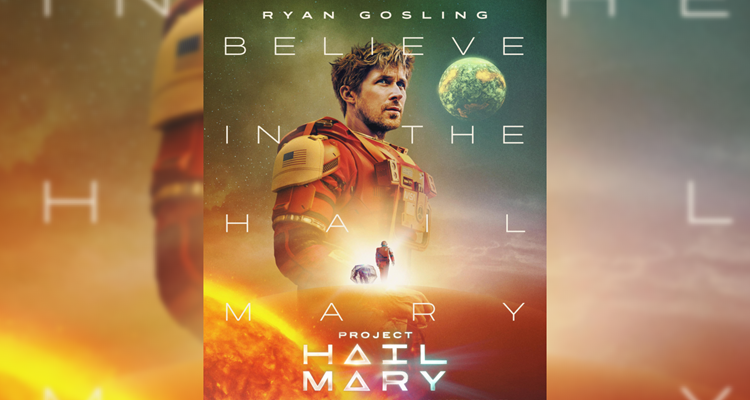
On a warm evening somewhere between a mall atrium and a social media feed, a crowd gathers for what is described as an “annual tradition.” There are rituals, branded symbols, and emotional storytelling—despite the fact that this tradition did not exist a year ago. No one seems to question it. Photos are shared. Memories are formed. And just like that, a tradition is born.
Across cultures, industries, and digital spaces, manufactured traditions—carefully designed, marketed, and distributed experiences—are quietly replacing organic customs that once evolved over generations. This shift is not loud or confrontational. It is subtle, efficient, and deeply embedded in how modern societies now create meaning.
The era of manufactured traditions has begun, and most people are already participating in it.
Context & Background: How Traditions Used to Form
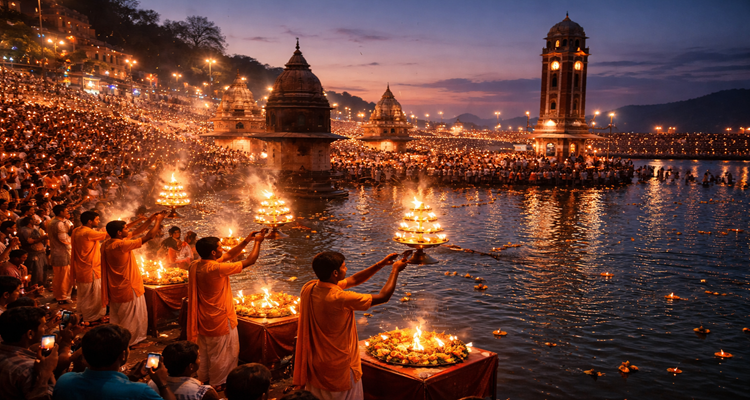
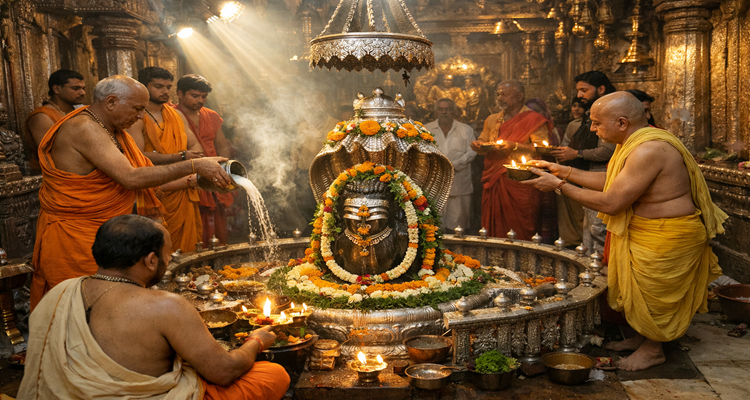
Historically, traditions emerged slowly. They were shaped by geography, religion, survival needs, seasonal cycles, and shared hardship. Festivals marked harvests. Ceremonies honored life milestones. Customs were reinforced through repetition, not promotion.
These traditions gained legitimacy through time. Their authority came not from branding or algorithms, but from endurance.
But the modern world no longer operates on generational timelines. Digital platforms reward immediacy. Markets demand novelty. Cultural relevance is measured in engagement metrics rather than longevity. In this environment, waiting centuries for traditions to form organically is no longer practical—or profitable.
As a result, traditions are now being designed, not discovered.
Main Developments: The Rise of Engineered Culture
How Traditions Are Now Being Built
Manufactured traditions follow a familiar pattern:
- A compelling narrative is introduced
- Symbolic rituals are attached
- Visual identity and repeatable behaviors are established
- Emotional language reinforces belonging
- Annual or seasonal recurrence creates familiarity
What once took decades now takes weeks.
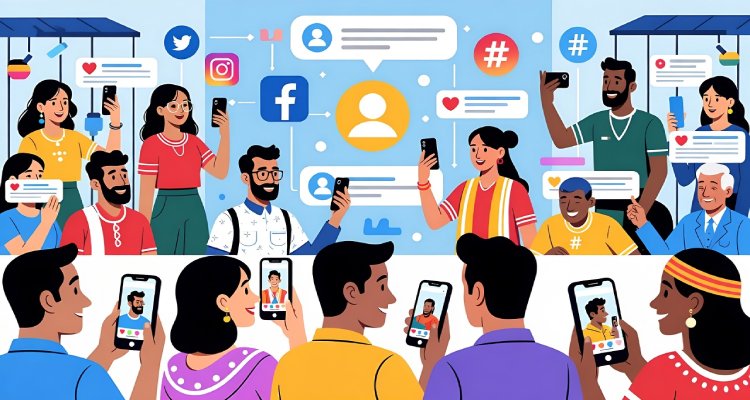
Corporations launch “heritage days.” Influencers popularize ritualized challenges. Communities adopt celebrations born entirely online. Even personal milestones—such as gender reveals or viral wedding customs—are increasingly standardized through digital imitation.
These are not accidents. They are outcomes of intentional cultural engineering.
Why They Spread So Fast
Manufactured traditions succeed because they meet modern needs:
- Belonging in fragmented societies
- Shared experiences in digital-first communities
- Identity signaling through participation
- Predictability in uncertain times
When traditional institutions weaken, people seek structure elsewhere. Manufactured traditions provide that structure—without requiring history.
Expert Insight & Public Reaction: Culture on Demand
Sociologists and cultural theorists have long warned that traditions detached from history risk becoming hollow. Yet many experts acknowledge that manufactured traditions are not inherently deceptive.
Cultural analysts argue that traditions have always been constructed—just more slowly. What has changed is who controls the construction.
Today, platforms, brands, and algorithms often decide which rituals survive. Visibility replaces authenticity. Repetition replaces reverence.
Public reaction is divided. Some see manufactured traditions as artificial and emotionally shallow. Others embrace them as inclusive, adaptive, and reflective of modern life.
For younger generations especially, a tradition does not need centuries of history to feel real. It only needs emotional resonance and social validation.
Impact & Implications: What This Means for Society
Cultural Homogenization
As manufactured traditions spread globally through the same platforms, regional uniqueness begins to blur. Celebrations look similar across countries, languages, and cultures—optimized for shareability rather than heritage.
Commercial Ownership of Meaning
When traditions are designed by corporations or platforms, cultural participation often becomes transactional. Meaning is increasingly tied to consumption, sponsorships, and brand loyalty.
Erosion of Intergenerational Knowledge
Organic traditions carried stories, values, and lessons across generations. Manufactured traditions often lack this depth, offering experience without historical memory.
But Also: Cultural Accessibility
On the positive side, manufactured traditions can be more inclusive. They are not bound by ancestry, geography, or religion. Anyone can participate. In a globalized world, this accessibility matters.
The question is not whether manufactured traditions are “real”—but whether societies understand what is being gained and lost.
Conclusion: Living in a Curated Cultural Age
The era of manufactured traditions did not arrive with a declaration. It arrived through notifications, campaigns, and shared moments that felt meaningful enough to repeat.
These traditions will not disappear. In fact, they will multiply.
The challenge ahead is not resisting them, but recognizing them—understanding who creates them, why they exist, and what values they carry. In a world where meaning can be designed on demand, cultural awareness becomes essential.
Because when traditions are manufactured, memory itself becomes a product—and participation becomes a choice we should make consciously.
This content is published for informational or entertainment purposes. Facts, opinions, or references may evolve over time, and readers are encouraged to verify details from reliable sources.