









Hidden Wonders: Stunning Destinations Still Untouched
Overtourism has become one of the defining challenges of modern travel. From crowded European capitals to once-remote beaches now flooded with selfie sticks, the world’s most famous destinations are straining under their own popularity. Yet quietly, far from Instagram algorithms and bucket-list rankings, some of the planet’s most breathtaking places remain largely overlooked.
These destinations offer something increasingly rare: beauty without crowds, culture without commercialization, and experiences shaped more by nature and local life than mass tourism.
The Rise of “Tourism Without Tourists”
Travel patterns are changing, but not evenly. While social media continues to funnel millions toward the same hotspots, vast regions remain outside the global tourism conversation.
Industry analysts describe this phenomenon as “asymmetrical discovery” where visibility, not value, determines popularity. Places without viral exposure or aggressive marketing often remain untouched, even when they rival famous destinations in natural or cultural richness.
According to the United Nations World Tourism Organization (UNWTO), more than 80% of global tourism activity is concentrated in fewer than 10% of destinations worldwide. The remaining 90% operate largely under the radar.
Remote Beauty by Design, Not Accident
Many under-visited destinations aren’t hidden because they lack appeal. They’re overlooked because they lack infrastructure, easy access, or promotional campaigns.
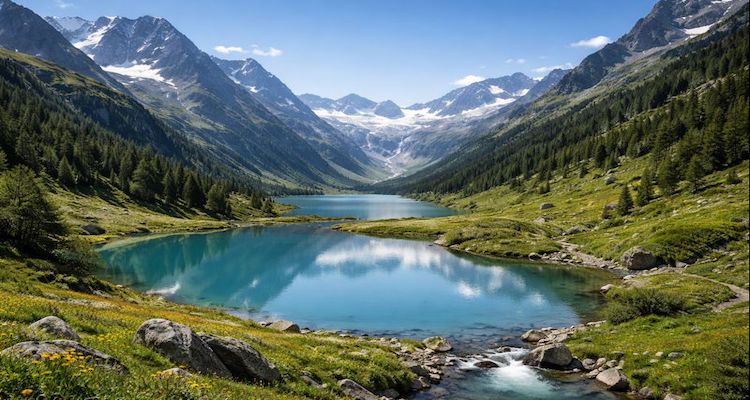
In parts of Central Asia, vast alpine valleys rival the Swiss Alps, but limited direct flights keep visitor numbers low. In sections of Africa’s Atlantic coast, pristine beaches stretch for miles without a single resort, preserved more by isolation than policy.
These regions often prioritize local rhythms over tourist convenience. Roads may be fewer. Wi-Fi may be slower. And that, increasingly, is part of the appeal.
Where Nature Still Sets the Rules
Some of the world’s most striking landscapes remain quiet because they resist human control.
In South America, lesser-known Patagonian regions offer glacial lakes, wind-carved mountains, and wildlife encounters with minimal foot traffic. Unlike their famous counterparts, these areas impose strict limits on development to protect fragile ecosystems.
Similarly, parts of Southeast Asia beyond major tourist corridors still host dense rainforests, ancient temples, and river systems untouched by cruise boats or mass excursions.
Environmental researcher Dr. Lina Moretti notes that “destinations without heavy tourism infrastructure often show stronger biodiversity and better long-term conservation outcomes.”
Cultural Richness Without Performance
One defining trait of low-tourism destinations is cultural authenticity not as a slogan, but as a lived reality.
In regions where tourism hasn’t reshaped daily life, traditions continue for community reasons rather than visitor consumption. Festivals happen whether tourists attend or not. Food reflects local seasons, not global palates.
Sociologist and travel researcher Marcus Elwell explains, “When communities aren’t economically dependent on tourism, cultural expression tends to remain organic. Visitors become observers, not the audience.”
This dynamic creates a different travel experience less curated, more participatory, and often more meaningful.
Why These Places Stay Off the Radar
Several factors keep stunning destinations out of mainstream travel narratives:
- Limited digital presence: No viral videos, few influencers, minimal SEO targeting
- Infrastructure constraints: Fewer hotels, limited transport, seasonal access
- Policy choices: Intentional caps on visitors or restricted development
- Geopolitical perceptions: Misunderstood regions labeled as “difficult” or “unsafe”
Importantly, many of these destinations aren’t seeking mass tourism. Local authorities often prefer slow, sustainable visitation over rapid growth.
Public Reaction: A Growing Desire for Quiet Travel
Among seasoned travelers, fatigue with overcrowded destinations is rising.
A 2024 survey by the Adventure Travel Trade Association found that 64% of respondents actively seek destinations with “low visitor density” and “minimal commercialization.” Search interest for terms like “underrated destinations” and “uncrowded travel” has increased steadily over the past three years.
Travel writer and author Anika Verma says readers increasingly ask not where to go, but where not everyone else is going.
Economic and Environmental Implications
Low-tourism destinations face a delicate balance.
On one hand, limited visitors mean fewer economic opportunities. On the other, uncontrolled exposure risks repeating the mistakes of overtouristed cities rising costs, cultural erosion, and environmental stress.
Experts argue the future lies in intentional visibility. That means attracting travelers aligned with local values rather than mass appeal.
“Sustainable tourism isn’t about secrecy,” says environmental economist Paul Njoroge. “It’s about scale, pacing, and respect.”
What Happens Next?
As global travel rebounds and travelers grow more selective, these overlooked destinations may not remain quiet forever.
Improved digital access, remote work trends, and shifting travel priorities could gradually bring attention to places once ignored. The question is whether exposure will be managed thoughtfully or allowed to accelerate unchecked.
For travelers, the opportunity is fleeting. For communities, the stakes are high.
A Different Kind of Discovery
Tourism without tourists isn’t about exclusivity. It’s about timing, intention, and awareness.
The world’s most beautiful places aren’t always the loudest or most photographed. Some exist quietly, shaped by wind, water, and centuries of human life waiting not for fame, but for understanding.
Those who find them early may experience something increasingly rare: a destination that still belongs to itself.
ALSO READ: The Places That Make Us Cry When It’s Time to Leave
This content is published for informational or entertainment purposes. Facts, opinions, or references may evolve over time, and readers are encouraged to verify details from reliable sources.