









Back to the Future: Inside the 2026 Nostalgia Boom
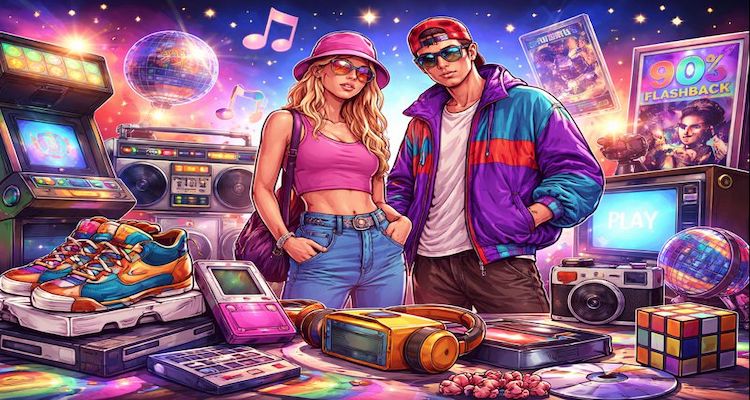
In 2026, nostalgia isn’t just a mood, it’s a movement shaping what we watch, wear, listen to, and buy. From revived fashion silhouettes to rebooted entertainment franchises, cultural throwbacks are dominating mainstream taste. Understanding why everything old feels new again helps explain where pop culture and consumer behavior are headed next.
Why Nostalgia Is Surging Now
Nostalgia has always cycled through popular culture, but the current wave feels broader and more intentional. The 2026 nostalgia boom reflects a collective desire for comfort, familiarity, and meaning in an era defined by rapid technological change and social uncertainty.
Cultural historians often note that nostalgia spikes during periods of transition. With artificial intelligence reshaping work, social media fragmenting attention, and global events fueling anxiety, audiences are gravitating toward eras that feel simpler, warmer, and emotionally grounded.
What makes this moment different is scale. Nostalgia is no longer limited to retro playlists or vintage clothing. It spans entertainment, design, food, gaming, and even branding language.
ALSO READ: The Surprising Comeback of Slowness in a Speed-Obsessed World
A Look Back: Nostalgia as Cultural Currency
Nostalgia has long served as a cultural anchor. The 1970s revival of 1950s aesthetics, the 1990s obsession with the 1960s, and the 2010s revival of the 1980s all followed similar patterns.
In each case, younger generations reinterpreted the past through a modern lens. The 2026 nostalgia boom follows that formula, but with a digital twist. Streaming platforms, social media archives, and algorithm-driven recommendations make it easier than ever to rediscover and remix older content.
What once required digging through record stores or late-night reruns now happens instantly. Entire decades are available on demand.
Entertainment Leads the Revival
Film and television are at the center of the nostalgia resurgence. Studios are investing heavily in reboots, sequels, and spin-offs tied to established intellectual property.
Audiences are responding not just because they recognize familiar characters, but because these stories offer emotional continuity. Viewers already understand the worlds, stakes, and themes, reducing the barrier to engagement in a crowded content landscape.
Music follows a similar pattern. Artists sample older tracks, revive analog sounds, and adopt aesthetics inspired by earlier eras. Vinyl sales remain strong, while cassette-style visuals and grainy music videos have regained cultural relevance.
ALSO READ: The Movement to Live Only in Places Algorithms Can’t Find
Fashion and Design Embrace the Past
Fashion’s relationship with nostalgia is cyclical, but 2026’s revival is notably inclusive. Trends from the late 1990s, early 2000s, and even the 2010s coexist on runways and social feeds.
Baggy denim, logo-heavy accessories, low-rise silhouettes, and retro sneakers have returned, often updated with sustainable materials or modern tailoring.
Interior design mirrors this shift. Warm color palettes, vintage furniture, and tactile materials like wood and ceramic are replacing ultra-minimalist aesthetics. Homes are becoming more personal, less polished, and more expressive.
Brands Rediscover Storytelling
For brands, nostalgia has become a strategic asset. Companies are reviving old logos, reissuing classic products, and referencing legacy campaigns to rebuild trust and emotional connection.
Marketing analysts explain that nostalgia-based branding works because it signals longevity and reliability. In an era where new startups appear daily, heritage conveys credibility.
Importantly, the most successful campaigns don’t simply copy the past. They reinterpret it, honoring original values while aligning with modern expectations around inclusivity, sustainability, and ethics.
ALSO READ: Why Rest Is Becoming the Most Expensive Luxury
Expert Perspectives on the Trend
Cultural researchers studying consumer behavior point out that nostalgia is less about escapism and more about emotional grounding. Familiar references provide psychological stability without rejecting progress.
Media scholars have also observed that nostalgia allows younger generations to explore identities beyond their own lived experience. For Gen Z and Gen Alpha, earlier decades feel both distant and discoverable, offering inspiration without personal baggage.
Public reaction supports this view. Online communities frequently frame nostalgia not as regression, but as rediscovery, finding joy in artifacts that predate algorithm-driven culture.
Who Benefits-and Who Doesn’t
The nostalgia boom benefits legacy brands, content libraries, and creators who understand historical context. It rewards depth, authenticity, and thoughtful curation.
However, it also raises concerns. Overreliance on familiar material can limit innovation, sidelining original voices and new ideas. Critics warn that excessive nostalgia risks cultural stagnation if not balanced with fresh storytelling.
Consumers, too, may grow weary if nostalgia becomes formulaic rather than meaningful.
What Comes Next for the Nostalgia Economy
Looking ahead, nostalgia is unlikely to disappear, but it will evolve. The next phase may focus less on exact replicas and more on emotional resonance.
Expect hybrid formats that blend old aesthetics with new technology, such as interactive retro gaming, AI-assisted music remastering, and immersive virtual experiences rooted in historical worlds.
The future of nostalgia isn’t about going backward. It’s about using the past as a foundation for connection in a fast-moving world.
Why the Past Still Matters
The 2026 nostalgia boom reveals something fundamental about modern culture: progress alone isn’t enough. People want stories, symbols, and experiences that feel human and enduring.
By revisiting the past with intention, society isn’t rejecting the future, it’s redefining it. In that sense, everything old isn’t just cool again. It’s meaningful.
ALSO READ: Why More People Are Choosing to Live Forgettable Lives
Disclaimer:
This content is published for informational or entertainment purposes. Facts, opinions, or references may evolve over time, and readers are encouraged to verify details from reliable sources.