









Why Rest Is Becoming the Most Expensive Luxury
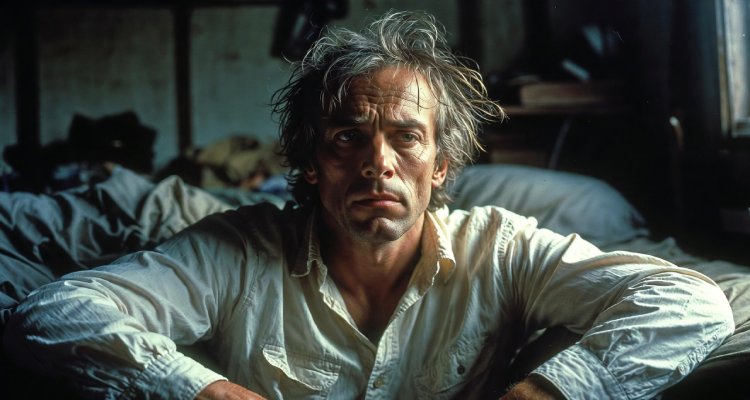
Why rest is no longer free in today’s hustle-driven world, how exhaustion became normalized, and why sleep and recovery are now the ultimate luxury.
Introduction: When Doing Nothing Costs Everything
In a world obsessed with productivity, speed, and constant availability, rest has quietly transformed from a basic human need into a status symbol. Once considered free and universally accessible, genuine rest—uninterrupted, guilt-free, and restorative—is now something many people struggle to afford, access, or even justify. From sleep deprivation to burnout, from hustle culture to the monetization of wellness, rest is no longer a pause in life. It is becoming life’s most expensive luxury.
Across cities and professions, people are paying with money, time, and mental health for something that once came naturally. The question is no longer why we are tired, but why rest itself has become so rare.
Context & Background: The Rise of a Permanently Exhausted Society
For much of human history, rest followed natural rhythms—sunrise and sunset, seasonal work cycles, and communal downtime. Industrialization disrupted this balance, but the digital age shattered it completely. Smartphones, remote work, and global connectivity have dissolved the boundary between work and personal life.
The modern economy rewards constant output. Emails arrive at midnight. Notifications demand instant replies. Algorithms favor speed over depth. In this environment, rest is often framed as laziness, indulgence, or inefficiency rather than a biological necessity.
At the same time, economic pressures have intensified. Rising living costs, job insecurity, and performance-based work models push people to work longer hours, take multiple gigs, or remain perpetually “on.” For millions, rest is not postponed—it is sacrificed.
Main Developments: How Rest Became a Commodity
The Monetization of Sleep and Recovery
As people grow more exhausted, industries have rushed in to fill the gap. Sleep, once free, now comes with a price tag. High-end mattresses, smart sleep trackers, premium supplements, soundproof pods, meditation apps, and luxury wellness retreats promise better rest—for a fee.
What was once a natural process is now a curated experience, accessible mainly to those with disposable income. The message is subtle but powerful: If you are tired, you are not doing rest correctly—and the solution can be purchased.
Hustle Culture and the Moralization of Exhaustion
In many professional environments, being busy is a badge of honor. Long hours are equated with dedication. Burnout is normalized. Saying “I’m exhausted” is often met with admiration rather than concern.
This cultural shift has turned rest into something that must be earned. People feel guilty for taking breaks, sleeping in, or unplugging. Even vacations are filled with emails, calls, and the pressure to stay visible.
The Inequality of Rest
Rest is not equally distributed. White-collar professionals may afford wellness tools, flexible schedules, or paid leave. Meanwhile, gig workers, shift laborers, caregivers, and low-income employees often lack predictable hours, safe sleep environments, or paid time off.
For them, rest is not a luxury—it is a systemic privilege they are denied.
Expert Insight & Public Reaction: “Rest Is a Social Justice Issue”
Health experts increasingly warn that chronic exhaustion is not just a personal problem but a public health crisis. Sleep researchers and psychologists argue that rest deprivation is linked to anxiety, depression, heart disease, weakened immunity, and reduced cognitive function.
Many experts emphasize that rest should not be individualized as a self-care failure. Instead, they frame it as a structural issue shaped by labor policies, economic inequality, and cultural expectations.
Public sentiment reflects this tension. Social media is filled with viral posts romanticizing rest while simultaneously glorifying overwork. The contradiction is clear: people crave rest, but fear falling behind if they take it.
Impact & Implications: Who Pays the Price of Constant Fatigue?
The Health Cost
Chronic sleep deprivation affects decision-making, emotional regulation, and physical health. Long-term fatigue contributes to workplace errors, accidents, and rising healthcare costs.
The Economic Cost
Ironically, a society that undervalues rest pays for it later. Burnout leads to lower productivity, higher employee turnover, and increased medical expenses. What appears as short-term efficiency becomes long-term loss.
The Cultural Shift Ahead
There is growing pushback. Some companies experiment with four-day workweeks, enforced offline hours, and mental health days. Younger generations are questioning hustle culture and redefining success beyond constant work.
However, meaningful change remains uneven and slow.
Conclusion: Reclaiming What Should Never Have Been Lost
Rest was never meant to be rare, expensive, or exclusive. Yet in today’s world, the ability to truly disconnect—to sleep deeply, pause without guilt, and exist without constant demand—has become a marker of privilege.
As societies confront rising burnout and declining well-being, the conversation around rest must evolve. It is not a reward for productivity, nor a luxury for the wealthy. It is a biological, psychological, and social necessity.
The real question is not whether we can afford to rest—but whether we can afford not to.
Disclaimer :This article is for informational and educational purposes only. It does not substitute professional medical, psychological, or workplace advice.