





Where Travelers Go When They Want to Disappear Completely
Discover where travelers go to disappear completely—remote places, silent retreats, and off-grid destinations redefining privacy, rest, and modern travel.
Introduction: The Allure of Vanishing from the World
In an era where location sharing is default, social media chronicles every meal, and work follows people across borders, the idea of truly disappearing has become quietly seductive. Not the dramatic kind of vanishing tied to crime or conspiracy—but a voluntary withdrawal. For a growing number of travelers, the ultimate luxury is anonymity. They are not chasing landmarks or nightlife. They are searching for places where their names do not matter, their phones lose signal, and the world forgets to watch them. These travelers are not escaping life as much as reclaiming it.
Context & Background: Why Disappearing Has Become a Modern Travel Goal
Travel has always been associated with escape, but modern tourism rarely offers invisibility. Popular destinations are optimized for sharing: geotagged viewpoints, influencer itineraries, and algorithm-driven “must-see” lists. Even remote locations are increasingly mapped, reviewed, and monetized.
At the same time, burnout, digital fatigue, and constant surveillance—both corporate and social—have intensified. Professionals tethered to remote work, public-facing figures, creatives, and even everyday workers report a growing desire to unplug not just from devices, but from identity itself. The travel industry has noticed. Quietly, a parallel tourism economy has emerged—one that values isolation over access, silence over service, and absence over activity.
Main Developments: Destinations Designed for Disappearance
Remote Landscapes Beyond Infrastructure
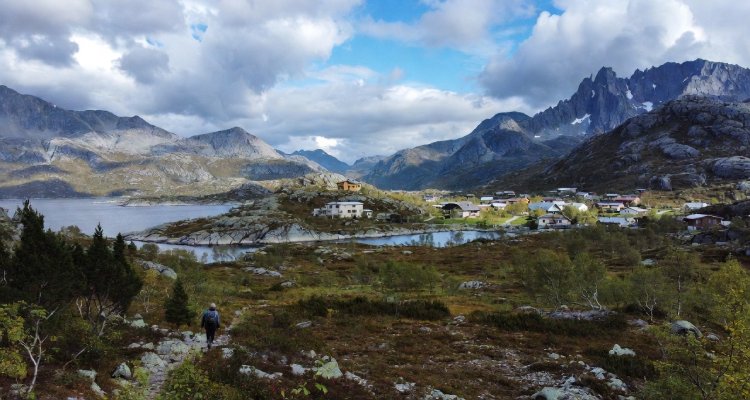
Some travelers disappear by going where infrastructure simply ends. Regions like the Patagonian steppe, Mongolia’s Altai Mountains, or the interior of Iceland offer vast stretches of land where human presence is minimal and connectivity is unreliable. These places are not marketed aggressively because they resist mass tourism by nature. Limited roads, extreme weather, and sparse accommodations create natural barriers that filter out casual visitors.
Islands That Reject Visibility
Across the globe, certain islands have become sanctuaries for those seeking obscurity. Not luxury resort islands, but sparsely populated ones—where ferry schedules are irregular and local life remains largely untouched by tourism economies. In parts of Indonesia, Greece, and the South Pacific, travelers can rent simple homes, buy food from the same small shops daily, and fade into routines where no one asks what they do for a living.
Monastic and Retreat-Based Travel
Another form of disappearance is structured silence. Monasteries, meditation centers, and secular retreat spaces across Asia, Europe, and the Americas offer stays that intentionally strip visitors of identity markers. Phones are surrendered. Names are rarely used. Days are governed by routine rather than choice. These environments appeal to travelers who want to step outside personal narratives entirely, even temporarily.
Cities That Swallow Rather Than Spotlight
Not all disappearances happen in remote nature. Some travelers choose cities so large and impersonal that anonymity is effortless. In megacities with dense populations and transient residents, it is possible to exist without being noticed. Short-term rentals, cash-based economies, and crowded public transport allow people to blend in rather than stand out. The disappearance here is psychological rather than geographical.
Expert Insight & Public Sentiment: What the Search for Invisibility Reveals
Sociologists and travel analysts increasingly view this trend as a response to hyper-visibility culture. Experts note that constant documentation has turned experiences into performances. Travel, once restorative, now often feels like content production.
Mental health professionals point out that anonymity reduces cognitive load. When no one is watching, judging, or expecting updates, the nervous system can reset. This explains why destinations offering silence, unpredictability, or disconnection often report high rates of repeat visitors despite offering few conventional attractions.
Public sentiment reflects a similar shift. Online travel forums increasingly discuss “off-grid,” “no-signal,” and “no-itinerary” experiences. The appeal is not discomfort, but freedom—the freedom to exist without explanation.
Impact & Implications: A Travel Industry Being Quietly Reshaped
Rethinking Luxury
Disappearance travel challenges traditional definitions of luxury. Instead of spas and concierge services, luxury is redefined as privacy, space, and time unmeasured by productivity. Some high-end travel providers now discreetly market properties with limited Wi-Fi, unlisted locations, and strict guest caps.
Ethical and Environmental Considerations
While disappearing destinations often benefit from low visitor numbers, there is also risk. Increased attention—even to places known for obscurity—can disrupt fragile ecosystems and local cultures. Responsible operators emphasize long stays, minimal impact, and respect for local rhythms rather than checklist tourism.
A Shift in Traveler Identity
Perhaps most significantly, this trend suggests a deeper cultural shift. Travel is no longer just about discovering the world—it is about disappearing from the version of oneself shaped by constant exposure. For many, the journey is inward, and the destination is absence.
Conclusion: The Quiet Power of Choosing to Be Unseen
Where travelers go when they want to disappear completely says more about modern life than about geography. These destinations are not hiding places; they are mirrors, reflecting a collective exhaustion with visibility, performance, and noise. In choosing places where nothing is demanded and no audience exists, travelers are redefining what it means to rest, to travel, and to be present. In a world obsessed with being seen, disappearance has become its own form of arrival.
- Disclaimer:This article is for informational and educational purposes only. It does not promote illegal activity, identity concealment, or avoidance of law enforcement. Travel conditions, safety, accessibility, and local regulations vary by destination and may change over time. Readers are advised to conduct independent research and follow all applicable laws, guidelines, and ethical travel practices before planning any trip.