










The Vanishing Creatures That Reappear Centuries Later
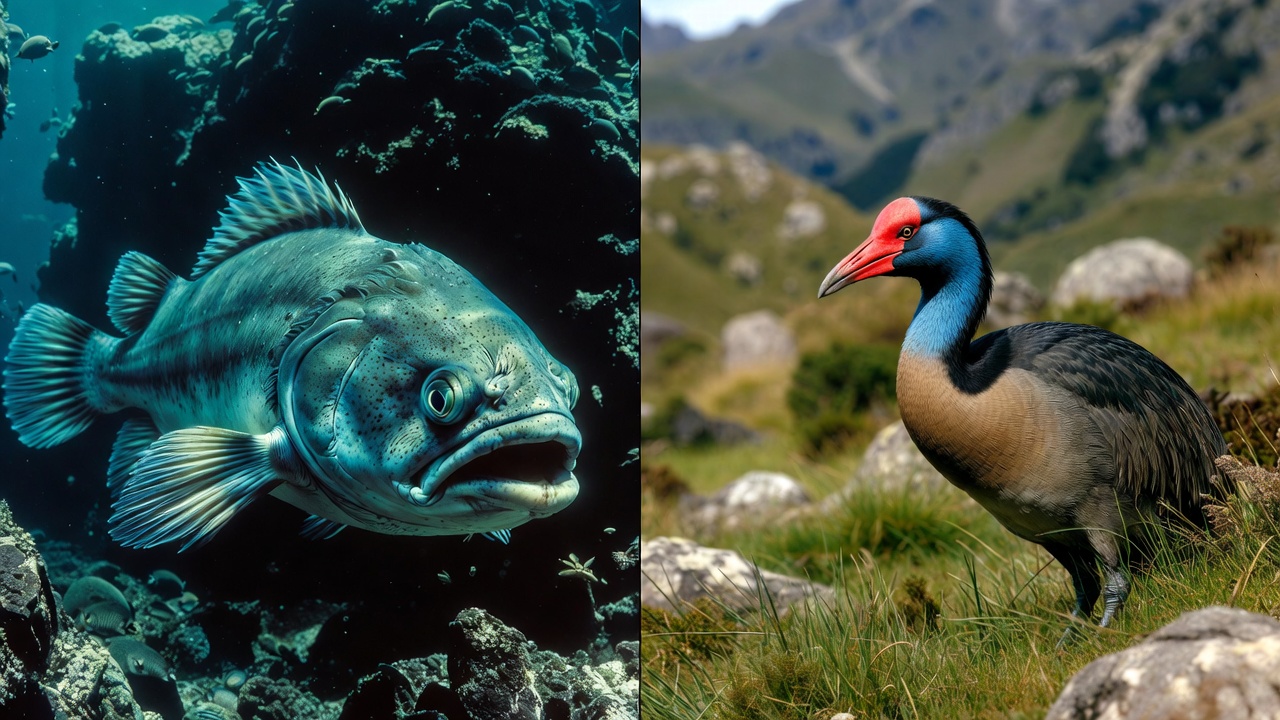
Discover the rare animals once thought extinct that reappeared centuries later—and what their survival reveals about nature, conservation, and humanity’s future.
Introduction: When Extinction Isn’t the End
For centuries, extinction has been treated as nature’s final verdict. A species disappears from records, sightings fade into myth, and science moves on. Yet every so often, the natural world delivers a surprise—an animal long presumed extinct reappears, alive and quietly enduring. These rare rediscoveries, often called “Lazarus species,” challenge how humans understand loss, survival, and the limits of scientific certainty.
From deep ocean trenches to isolated mountain forests, creatures believed gone forever have resurfaced decades—or even centuries—later. Their returns are not just biological curiosities. They reshape conservation priorities, rewrite textbooks, and force a humbling realization: nature can be far more resilient—and elusive—than humanity assumes.
Context & Background: How Species Vanish From Human Sight
Species vanish for many reasons, but human activity dominates the modern era. Habitat destruction, overhunting, climate shifts, pollution, and invasive species have pushed countless animals toward extinction. In many cases, scientists declare a species extinct after years—sometimes decades—without verified sightings.
But “extinct” does not always mean biologically gone. It often means lost to human observation.
Remote habitats, inaccessible terrain, political instability, and limited research funding can leave entire ecosystems underexplored. Some species survive in tiny, fragmented populations, invisible to science but clinging to existence. Before modern tracking tools and genetic analysis, these survivors had little chance of being rediscovered.
History shows that extinction declarations, while cautious, are sometimes premature.
Main Developments: Creatures That Returned Against the Odds
The Coelacanth: A Fish From the Age of Dinosaurs
Perhaps the most famous rediscovery is the coelacanth, a deep-sea fish believed extinct for 66 million years. Known only from fossils, it was assumed to have vanished alongside dinosaurs—until a living specimen was caught off South Africa in 1938.
The discovery stunned scientists. The coelacanth represented a direct biological link to early vertebrate evolution. Its existence suggested that deep ocean environments could shelter life forms unchanged for geological ages.
The Takahe: A Flightless Bird Resurfaces
In New Zealand, the takahe—a large, flightless bird—was declared extinct in the late 19th century. More than 50 years later, a small population was found in a remote alpine valley. Once thought lost to introduced predators and habitat loss, the takahe became a symbol of conservation success through intensive protection.
The Laotian Rock Rat: A “Living Fossil” in Plain Sight
Discovered in 2005 in Southeast Asia, the Laotian rock rat was initially identified as a new species. Genetic testing later revealed it belonged to a rodent family believed extinct for 11 million years. Locals had known the animal all along, hunting it for food—highlighting how scientific knowledge and local awareness often exist in parallel worlds.
The Lord Howe Island Stick Insect
Once thought extinct after rats invaded its island habitat, this large insect was rediscovered in 2001 on a remote volcanic outcrop. Fewer than 30 individuals survived. Conservationists later began captive breeding programs, proving even fragile species can rebound when rediscovered in time.
Expert Insight: Why Rediscoveries Matter
Biologists caution against romanticizing these events, but they acknowledge their significance.
“Rediscovered species are reminders of how incomplete our understanding of biodiversity truly is,” conservation scientists often note. “They show us where conservation failed—and where it can still succeed.”
Experts emphasize that rediscovery is not recovery. Most Lazarus species remain critically endangered. Their populations are small, genetically vulnerable, and highly sensitive to environmental change.
Public reaction, however, tends toward awe and optimism. Each rediscovery sparks renewed interest in conservation, drawing attention to overlooked ecosystems and species on the brink.
Impact & Implications: Rethinking Conservation and Extinction
The reappearance of vanished species has profound implications:
1. Conservation Strategies Shift
Rediscoveries often redirect funding and protection efforts toward neglected regions. A single species can elevate the conservation value of an entire habitat.
2. Extinction Definitions Face Scrutiny
Scientists are increasingly cautious about declaring extinction, especially for species in remote or understudied environments. Improved survey methods, environmental DNA sampling, and satellite tracking are now used to reduce uncertainty.
3. Climate Change Raises the Stakes
As climate change accelerates habitat loss, rediscoveries may become rarer. Many species that once survived unnoticed may not endure future environmental shifts.
4. Indigenous Knowledge Gains Recognition
Several rediscoveries highlight the importance of local and Indigenous knowledge. Communities often know species long before scientists document them, reinforcing the need for inclusive conservation models.
Conclusion: Survivors in a Changing World
The return of creatures once thought extinct does not erase humanity’s environmental damage. Instead, it offers a narrow window of hope—and responsibility. These species survived not because ecosystems are thriving, but often despite overwhelming odds.
Their stories remind us that extinction is not always immediate or visible. Life can persist quietly, waiting for recognition. Whether these survivors endure another century depends largely on human choices made now.
In a world facing accelerating biodiversity loss, rediscovered species are not miracles—they are warnings, second chances written in flesh and bone.
This content is published for informational or entertainment purposes. Facts, opinions, or references may evolve over time, and readers are encouraged to verify details from reliable sources.