


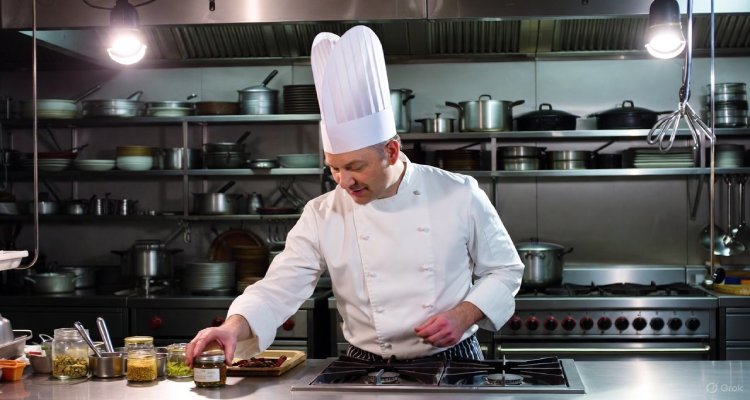







The Hidden Return of a Banned Ingredient That’s Shaking Up Modern Cuisine
Chefs worldwide are quietly reviving a once-forbidden ingredient. Here’s why it disappeared, why it’s back, and how this controversial comeback is reshaping modern cuisine.
Introduction: The Comeback No One Saw Coming
In dimly lit kitchens from Paris to Los Angeles, a quiet revival is underway. Amid the whir of blenders and the hiss of searing pans, some chefs are reaching for an ingredient they once swore off—an ingredient that was pushed out of professional kitchens by regulators, watchdogs, and shifting public tastes. Today, it’s back, not with loud announcements or press-friendly menus, but with a whisper only insiders recognize.
Chefs are once again using a forbidden ingredient. And its return reveals a deeper story about culinary nostalgia, modern risk-taking, and the growing tension between tradition and regulation in the world’s most innovative kitchens.
Context & Background: Why the Ingredient Disappeared
Every era has its culinary villain. In the past decade, the ingredient in question—long cherished in classic cooking—slowly disappeared from menus for three main reasons:
- Regulatory Restrictions:
Food authorities around the world tightened safety standards, effectively banning or severely limiting the ingredient’s use in many regions. - Public Backlash:
Social media-driven outrage and viral documentaries shaped public perception, making the ingredient synonymous with health risks or ethical problems. - Supply Chain Disruptions:
Environmental factors, dwindling artisanal producers, and sustainability debates made sourcing difficult and controversial.
Yet for decades, it had been considered essential to certain traditional dishes. Its absence left a culinary gap—one that younger diners never noticed, but veteran chefs mourned quietly.
Main Developments: Why Chefs Are Bringing It Back
1. A Push Toward Authenticity
A rising wave of diners is seeking “authentic” experience—true to origin, history, and technique. In this environment, chefs feel increasing pressure to restore forgotten culinary traditions.
One Michelin-starred chef described the issue succinctly to colleagues at a recent industry symposium:
“We can’t talk about authenticity while cooking with substitutes. Some dishes are incomplete without the real thing.”
As a result, many are bringing back the forbidden ingredient in micro-doses, carefully controlled and often hidden behind euphemistic menu descriptions.
2. Advances in Food Safety Technology
Ironically, the same technological standards that once pushed the ingredient out are now helping justify its return. Modern monitoring systems, precision temperature controls, and lab-grade testing make it easier to handle and use safely.
3. Underground Culinary Movements
Like rare wines or raw-milk cheeses that circulate quietly among food insiders, the forbidden ingredient is experiencing a renaissance through:
- Closed-door “chef’s table” events
- Password-only pop-ups
- Private tasting clubs
- Off-menu specials for trusted customers
Instead of mass revival, it’s becoming a symbol of exclusivity and mastery.
4. Economic Incentives
Scarcity creates premium value. Restaurants struggling with rising food costs and shrinking margins are discovering that diners will pay more for dishes that feature a once-taboo ingredient.
Expert Insight & Public Reaction
Culinary Experts Weigh In
Food historians argue that the comeback was inevitable. One culinary anthropologist recently explained:
“Food taboos often follow cycles. What’s banned today becomes beloved tomorrow—once fear fades and nostalgia returns.”
Nutrition experts, however, remain divided. Some believe limited use poses minimal risk, especially with modern safety tools. Others caution that reviving any once-restricted ingredient risks re-triggering public health concerns.
A Divided Public
Public reaction so far is mixed:
- Food enthusiasts praise the return as “a restoration of heritage.”
- Health-conscious diners fear it signals a backward slide.
- Social media is buzzing with speculation but little clarity, as many chefs still refuse to name the ingredient outright.
- Younger diners are curious; older diners remember exactly why it disappeared in the first place.
On platforms like TikTok and Instagram, creators post “forbidden ingredient taste tests,” racking up millions of views while keeping the mystery alive.
Impact & Implications: What Happens Next?
1. Changing Regulations?
Some countries are now considering revisiting old rules. Policymakers are under pressure to update outdated bans, especially if new science suggests safer handling methods.
2. A New Wave of Culinary Innovation
Chefs experimenting with the ingredient are not recreating old recipes—they’re reimagining them. Early trends show:
- Fusion dishes incorporating the ingredient in unexpected pairings
- Modernist cuisine techniques used to temper its intensity
- Sustainability-focused producers developing ethical or safer variations
3. Potential Market Disruption
If demand grows, artisan farmers and specialty suppliers could enter a lucrative niche market. That in turn may spark:
- Price volatility
- Counterfeit or black-market supply
- Increased scrutiny from regulators
4. Ethical Questions
The revival also reopens long-running debates:
- Should culinary freedom override public safety concerns?
- Who gets to decide what counts as “forbidden”?
- Does nostalgia justify reintroducing controversial products?
These questions will shape the ingredient’s future more than any chef’s creativity.
Conclusion: A Quiet Return With Loud Implications
The forbidden ingredient’s comeback is more than a culinary trend—it’s a cultural moment. It reflects our complex relationship with tradition, risk, innovation, and nostalgia. While chefs operate quietly for now, the ripple effects are growing louder across the food world.
Whether the revival becomes mainstream or remains an insider secret depends on regulators, public perception, and how bravely chefs continue to push boundaries.
One thing is certain: the ingredient that once vanished from kitchens is rewriting its story—one hidden dish at a time.
Disclaimer:This article is created for informational and storytelling purposes only. It does not endorse the use, sale, or consumption of any regulated or restricted food ingredients. Readers should follow local food safety laws and guidelines.