









The Hidden Cities Built Under Existing Cities
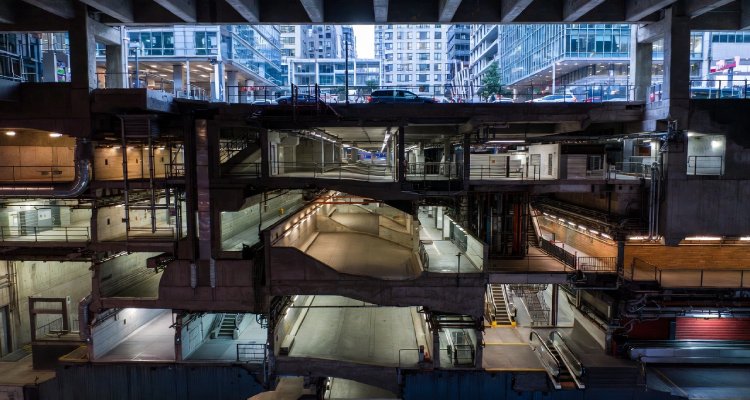
Discover the hidden cities beneath existing cities—underground networks shaping urban life, resilience, infrastructure, and the future of modern megacities.
Introduction: A World Beneath Our Feet
Every major city tells its story in skylines, streets, and monuments—but the most fascinating chapters often lie unseen. Beneath bustling sidewalks and traffic-clogged roads exists another world: vast underground networks quietly supporting modern life. From forgotten tunnels and abandoned stations to purpose-built subterranean districts, hidden cities beneath existing cities are not science fiction. They are real, expanding, and increasingly essential to how urban centers survive, adapt, and plan for the future.
As cities grapple with overpopulation, climate stress, and infrastructure overload, what lies underground is no longer an afterthought—it is becoming a strategic frontier.
Context & Background: Why Cities Went Underground
The idea of building beneath cities is centuries old. Ancient Rome developed underground aqueducts and catacombs to manage water and burial needs. Medieval cities hid tunnels for defense and escape. But the modern underground city took shape during the Industrial Revolution, when rapid urbanization demanded new ways to move people, goods, and utilities without consuming limited surface space.
In the 20th century, wars, economic expansion, and technological progress accelerated subterranean development. Bomb shelters during World War II evolved into metro systems. Utility tunnels multiplied beneath financial districts. Storage vaults, data centers, and transit corridors quietly expanded, often unnoticed by those walking above them.
Today, underground construction is no longer reactive—it is deliberate urban strategy.
Main Developments: Inside the Hidden Cities Below
Modern underground cities are not single tunnels or basements; they are complex ecosystems.
Transportation Networks
Subway systems are the most visible part of underground urban life, but beneath them often lie service tunnels, emergency corridors, and maintenance cities of their own. Some metro hubs house shopping arcades, restaurants, and pedestrian pathways that rival surface malls in scale.
Utility and Infrastructure Layers
Below road level, cities stack systems like layers of sediment—electric cables, water pipelines, sewage, gas, fiber optics, and storm drains. In advanced urban centers, multi-utility tunnels centralize these services, allowing repairs without tearing up streets.
Commercial and Public Spaces
In some cities, underground environments host offices, retail zones, museums, parking complexes, and even schools. Climate-controlled and protected from weather extremes, these spaces offer practical advantages as heatwaves and extreme weather become more frequent.
Forgotten and Abandoned Cities
Not all underground cities are planned. Some are relics—abandoned subway lines, Cold War bunkers, disused mines, and forgotten pedestrian tunnels. Urban explorers frequently uncover these ghost infrastructures, revealing how cities evolve, discard, and repurpose space over time.
Expert Insight & Public Reaction
Urban planners increasingly see underground development as a necessity, not a novelty. Architects and infrastructure experts argue that the “third dimension” of cities—below ground—offers solutions where horizontal and vertical expansion have hit limits.
Public reaction, however, is mixed. While underground shopping districts and metro-linked walkways are widely accepted, concerns remain about psychological effects, safety, accessibility, and transparency in planning. Citizens often worry about who controls these spaces and whether they prioritize public good or private profit.
Still, surveys in cities with well-designed underground environments suggest acceptance grows when spaces are well-lit, secure, and connected to daily life rather than hidden or restricted.
Impact & Implications: What Comes Next
The rise of underground cities has profound implications.
Climate Resilience
Subterranean spaces offer natural insulation, reducing energy consumption. As surface temperatures rise, underground environments may become critical refuges for both infrastructure and people.
Urban Density Management
By relocating storage, logistics, parking, and utilities underground, cities can reclaim surface space for green areas, housing, and pedestrians—reshaping urban livability.
Security and Continuity
Data centers, emergency operations, and transport hubs increasingly move underground for protection against disasters, cyber threats, and extreme weather events.
Ethical and Planning Challenges
Without careful regulation, underground development risks becoming invisible urban sprawl. Questions of ownership, public access, and long-term safety demand transparent governance and inclusive planning.
Conclusion: Cities Within Cities
Hidden beneath our feet are cities that mirror, support, and sometimes outlast the ones above. They move millions daily, carry the lifeblood of utilities, shelter critical systems, and preserve layers of urban history. As surface cities face unprecedented pressure—from climate change to population growth—the underground is no longer just a support system. It is a parallel urban future taking shape in silence.
The next great transformation of cities may not rise into the sky—but descend beneath it.
This content is published for informational or entertainment purposes. Facts, opinions, or references may evolve over time, and readers are encouraged to verify details from reliable sources.