










The Global Hunt for the Perfect Bite That Doesn’t Exist Yet
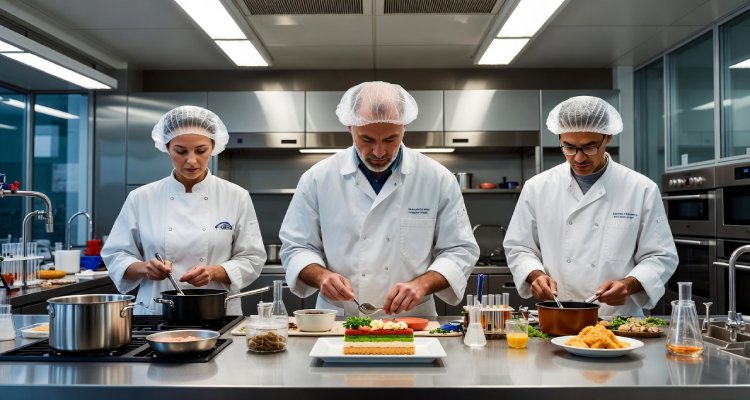
The global food industry is chasing the perfect bite — a future flavor blending taste, science, and sustainability that doesn’t exist yet.
Introduction: Chasing a Flavor the World Hasn’t Tasted
Somewhere between a Tokyo test kitchen, a Silicon Valley food lab, and a street stall in Mexico City, chefs and scientists are chasing something elusive: the perfect bite. It is not a dish you can order today or a flavor rooted in tradition. Instead, it is an idea — a single mouthful that delivers ideal taste, texture, nutrition, sustainability, and emotion all at once. The irony is clear: the world is searching for a culinary experience that, by definition, does not yet exist.
In an age where food trends travel faster than ever and innovation collides with nostalgia, the global food industry is united by a quiet obsession — to engineer the next unforgettable bite that reshapes how humans eat.
Context & Background: How Food Became a Global Experiment
For most of history, food evolved locally. Climate, culture, and necessity shaped what people ate and how flavors developed. But globalization, climate stress, and technology have transformed eating into a worldwide experiment.
Over the last two decades, three forces have accelerated the hunt for the “perfect bite”:
- Rising consumer expectations, driven by social media and food storytelling
- Scientific advances in flavor chemistry, texture engineering, and nutrition
- Global pressures, including climate change, population growth, and sustainability demands
The result is a culinary arms race. Restaurants, startups, and multinational food companies are no longer just cooking — they are prototyping. Each bite is treated like a product launch, tested, refined, and optimized for maximum sensory impact.
Main Developments: Where the Search Is Happening
The Science of Flavor Precision
In laboratories from Europe to Asia, food scientists now break flavor down into data. Taste is no longer just sweet or savory — it is molecular. Researchers study how aroma compounds interact with saliva, how crunch affects perceived freshness, and how temperature changes emotional response.
Some labs even use AI to predict flavor combinations humans have never tasted before. These systems analyze thousands of ingredients, identifying pairings that traditional chefs might never attempt.
Texture: The Forgotten Frontier
While flavor dominates conversation, texture is becoming the real battleground. The “perfect bite” must crunch, melt, or snap at precisely the right moment. Companies working on plant-based meats, for example, have learned that taste alone is not enough — mouthfeel determines acceptance.
From aerated chocolates to layered dumplings designed to burst in stages, texture engineering is now central to culinary innovation.
Sustainability on the Plate
The modern perfect bite must also answer ethical questions. Can it be produced without harming the planet? Can it feed billions? This has pushed alternative proteins, lab-grown ingredients, and upcycled foods into the spotlight.
Chefs are now expected to balance indulgence with responsibility, creating dishes that feel luxurious but leave a lighter environmental footprint.
Expert Insight & Public Reaction
Food futurists describe the perfect bite as “a moving target.” One culinary researcher involved in flavor modeling explains that taste perfection is deeply personal, shaped by memory, culture, and biology. “What feels perfect to one person may feel incomplete to another,” they note.
Public reaction reflects this divide. Some consumers eagerly embrace experimental foods, excited by novelty and innovation. Others push back, seeking comfort in familiar flavors and traditional recipes. Social media amplifies both sides — viral food trends spark global curiosity while also triggering skepticism.
The tension highlights a deeper truth: the perfect bite cannot be universal. It must adapt, evolve, and fragment across cultures and preferences.
Impact & Implications: Why This Hunt Matters
The global search for the perfect bite is not just about pleasure — it shapes economies, health, and the future of food security.
- For consumers, it means more personalized food experiences, tailored to dietary needs and taste profiles.
- For businesses, it drives competition, innovation, and massive investment in food technology.
- For the planet, it may determine whether future diets are sustainable or destructive.
This pursuit is already changing menus, grocery aisles, and even how children learn about food. Cooking is becoming a hybrid discipline, blending art, science, and ethics.
Conclusion: Perfection as a Process, Not a Destination
The perfect bite may never exist — and that may be the point. Its absence keeps chefs experimenting, scientists questioning, and cultures exchanging ideas. Each attempt brings humanity closer to food that nourishes both body and imagination.
In the end, the global hunt is less about finding a final answer and more about redefining what eating means in a rapidly changing world. The perfect bite is always just ahead — imagined, refined, and forever unfinished.
Disclaimer :This article is a work of original journalistic analysis inspired solely by the headline. It does not reference or replicate any existing publication and is intended for informational purposes only.