
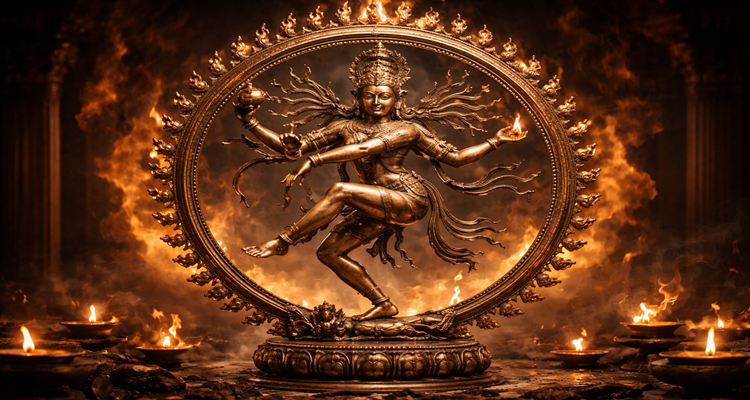









Temple of the Mind: Building Sacredness Without Walls
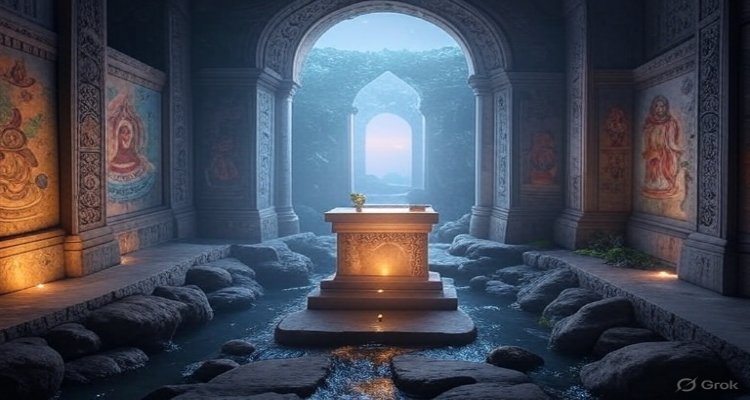
Can sacredness exist without physical temples? Discover how inner sanctity, mindful rituals, and spiritual practices are redefining the idea of worship in a secular, digital age.
Introduction: The Rise of the Invisible Temple
There is no bell ringing, no incense wafting through air, no priest chanting ancient mantras. And yet, in the quiet corner of a living room, someone sits cross-legged, eyes closed, deep in meditation. For them, that moment is no less sacred than the grandest cathedral. Welcome to the Temple of the Mind—a rising concept where sacredness is being redefined without walls, icons, or institutional control.
As organized religion sees declining numbers across many developed nations, more people are building personal sanctuaries within themselves. These invisible temples are fueled by intention, silence, and internal transformation rather than rituals tied to bricks and mortar.
Context & Background: From Stone Temples to Inner Spaces
For centuries, places of worship—temples, churches, mosques, synagogues—have symbolized humanity’s yearning for the divine. But with modernity has come a growing disillusionment with traditional religious structures. According to Pew Research Center, religious affiliation is dropping steadily in countries like the U.S., Canada, and much of Western Europe. At the same time, interest in spirituality, mindfulness, and self-discovery is surging.
This doesn’t signal the end of sacredness. Instead, it suggests a migration—from the external to the internal, from public dogma to private experience. The concept of the “temple of the mind” is rooted in traditions as diverse as Hindu yogic philosophy, Christian contemplative prayer, Buddhist vipassana, and even Stoic inner citadels. What binds them is the idea that the most sacred altar may be one’s own consciousness.
Main Developments: Why It Matters Now
The pandemic accelerated this shift dramatically. With places of worship closed, many turned inward. Meditation apps like Calm and Headspace saw record downloads. Online retreats, guided breathwork, and secular ceremonies replaced Sunday mass for millions.
Simultaneously, the wellness movement blurred the lines between health, spirituality, and sacredness. Yoga studios became modern-day ashrams; journaling became a rite of emotional purification; and solitude—once feared—was reframed as sacred silence.
People are now building daily rituals around morning meditation, gratitude practices, nature walks, digital detoxes, and conscious breathing—all within their homes or minds. These are not just wellness hacks; for many, they are acts of devotion.
Expert Insight: Sacredness Without Dogma
“Spirituality without a physical temple is not a contradiction,” says Dr. Tara Brach, a psychologist and meditation teacher. “It’s about presence, awareness, and connection to something larger—whether that’s the universe, humanity, or one’s higher self.”
Philosopher Alain de Botton argues in Religion for Atheists that secular societies still crave structure, symbolism, and sacredness. “We don’t stop needing rituals just because we stop believing in a god,” he writes. “We just have to design them ourselves.”
Even neuroscientists are taking note. A 2020 study published in Nature Communications found that spiritual experiences—whether religious or not—light up brain areas associated with reward, empathy, and self-transcendence.
Meanwhile, many younger people—particularly Gen Z and millennials—report feeling “spiritual but not religious.” Their temples are playlists, poetry, movement, and mindfulness. Their prayers are quiet reflections before bed, not psalms or rosaries.
Impact & Implications: Who’s Building These Inner Temples?
This shift has major cultural, social, and even political implications:
- Mental health support: Inner sanctity is increasingly used as a tool for managing anxiety, depression, and burnout. In countries with limited mental health infrastructure, spiritual self-care offers a valuable lifeline.
- Decentralized spirituality: People are no longer dependent on clergy or sacred texts. Podcasts, online communities, and retreats have democratized access to spiritual knowledge.
- Interfaith empathy: As people seek truth in many traditions—Christian mysticism, Zen Buddhism, Sufism, or pagan earth rituals—walls between faiths begin to blur. The temple of the mind is not exclusive; it’s open source.
- Resurgence of ancient practices: Practices like mantra chanting, moon rituals, and fasting—once confined to specific religions—are now part of a global spiritual vocabulary, often divorced from dogma but rich in meaning.
Conclusion: Sacredness Is Evolving
The temple of the mind is not a rejection of tradition, but an evolution. It reflects a world where people are seeking the sacred not in golden domes or marble altars, but in the silence between breaths, the stillness of dawn, and the honesty of self-inquiry.
We are building these temples every day—with mindfulness, with intention, with the quiet hope that we are not alone in the universe. And while these sanctuaries may be invisible, their impact is deeply felt.
Disclaimer: This article is intended for informational purposes only and does not promote or discredit any religious or spiritual tradition. Always consult a professional for mental health or spiritual guidance.