










Inside the Tourism Boom for Places Humans Shouldn’t Be
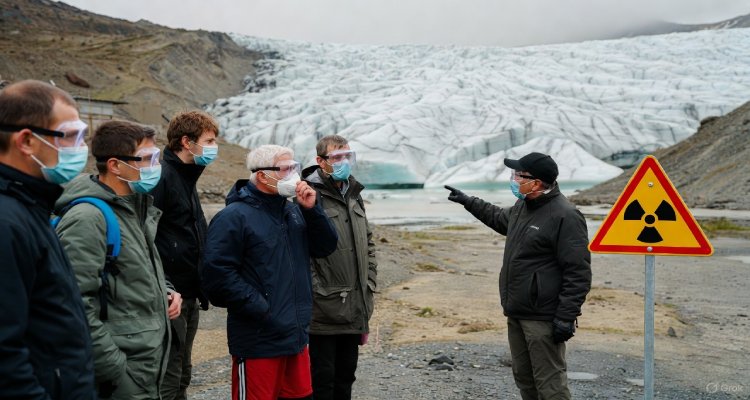
From radioactive zones to sinking cities and extreme climates, tourists are flocking to the world’s most dangerous places. Why now—and at what cost?
Introduction: When Danger Becomes the Destination
In an era where Instagram feeds are saturated with pristine beaches and luxury resorts, a different kind of travel is quietly booming. Tourists are increasingly flocking to places once considered off-limits—radioactive exclusion zones, active war frontiers, collapsing glaciers, scorched deserts, and cities slowly sinking into the sea. These are destinations where humans arguably shouldn’t be, yet curiosity, climate anxiety, and the hunger for authenticity are driving record interest.
This rise of so-called extreme, dark, or last-chance tourism is reshaping the global travel industry—and raising urgent ethical, environmental, and safety questions. Why are people choosing danger over comfort? And what happens when tourism enters spaces designed to keep humans out?
Context & Background: From Forbidden Zones to Bucket Lists
Historically, tourism thrived on accessibility and safety. Destinations invested in infrastructure, stability, and hospitality to attract visitors. But over the last two decades, a shift has been underway.
The opening of restricted areas—such as former nuclear sites, disaster zones, and militarized regions—coincided with the rise of social media, budget air travel, and a cultural obsession with “once-in-a-lifetime” experiences. Places previously marked by warning signs and evacuation orders began appearing in travel blogs and documentaries.
At the same time, climate change transformed fragile ecosystems into ticking clocks. Melting glaciers, dying coral reefs, and shrinking islands became destinations people wanted to see before they disappeared. Tourism, once a symbol of leisure, evolved into a race against time.
Main Developments: Why Risky Destinations Are Booming
1. The Rise of Dark and Disaster Tourism
Former disaster zones—nuclear accident sites, abandoned cities, and regions scarred by environmental catastrophe—now attract guided tours. Travelers describe these visits as educational, reflective, and emotionally powerful.
Operators market these experiences as lessons in human error, resilience, and survival. But critics argue that tragedy is being commodified, turning suffering into spectacle.
2. Climate Change as a Travel Deadline
From thawing polar regions to coral reefs experiencing mass bleaching, climate change has created a new urgency in tourism. Scientists warn these ecosystems may not survive another generation, yet visitor numbers continue to rise.
Ironically, the act of traveling—especially long-haul flights—accelerates the very destruction tourists hope to witness before it’s gone.
3. Conflict and Frontier Tourism
Despite travel advisories, some tourists seek out politically unstable or post-conflict regions, drawn by the promise of “raw” experiences and untold stories. Local guides often benefit economically, but the risks—to visitors and residents—are real and sometimes fatal.
4. Social Media and the Allure of Extremes
In the digital age, danger sells. Photos from forbidden places generate clicks, followers, and credibility in a crowded influencer economy. The more inaccessible or risky the location, the greater its perceived value.
Expert Insight & Public Reaction: Fascination Meets Concern
Tourism researchers note that this trend reflects deeper psychological and societal shifts.
“People are chasing meaning, not comfort,” says one global tourism analyst. “Visiting extreme places gives travelers a sense of witnessing history, climate change, or human vulnerability firsthand.”
Environmental scientists, however, warn that unmanaged tourism can destabilize already fragile regions. In places with radiation exposure, melting permafrost, or limited medical access, even small increases in foot traffic can have lasting consequences.
Public opinion remains divided. Some view these journeys as educational and awareness-building. Others see them as reckless, privileged, and ethically questionable.
Impact & Implications: Who Pays the Price?
Environmental Costs
Many of these destinations lack the infrastructure to support tourism safely. Increased waste, emissions, and habitat disruption threaten ecosystems already under stress.
Human Safety Risks
From radiation exposure to extreme weather and political instability, tourists face real dangers. Emergency services in these areas are often minimal or nonexistent, putting pressure on local communities.
Economic Trade-Offs
Tourism can provide much-needed income to struggling regions. But without regulation, profits often flow to foreign operators rather than local residents.
Policy and Regulation Challenges
Governments face difficult decisions: restrict access to protect people and environments, or allow controlled tourism to fund preservation and education.
Conclusion: The Ethics of Going Where We Don’t Belong
The tourism boom in places humans arguably shouldn’t be reflects a paradox of modern life. As the planet becomes more fragile and uncertain, people feel compelled to see its extremes up close—sometimes at great cost.
These journeys can foster awareness, empathy, and learning. But without responsible planning, they risk accelerating the very crises that make these destinations compelling in the first place.
The future of extreme tourism may depend not on where we can go, but where we should—and how carefully we choose to tread.
Disclaimer :This article is for informational and journalistic purposes only. It does not encourage travel to dangerous or restricted locations. Travelers should follow official advisories and prioritize safety, legality, and environmental responsibility.