







Dollar Steadies as Fragile Iran Truce Keeps Markets on Edge

The U.S. dollar paused its recent slide on Thursday, offering investors a moment of stability after days of volatility driven by geopolitical tensions in the Middle East. But beneath the surface, uncertainty remains high as markets weigh whether a fragile ceasefire between the United States and Iran can truly hold.
With global oil routes, inflation expectations, and risk sentiment hanging in the balance, currency markets are treading carefully.
Dollar Finds Footing After Recent Losses
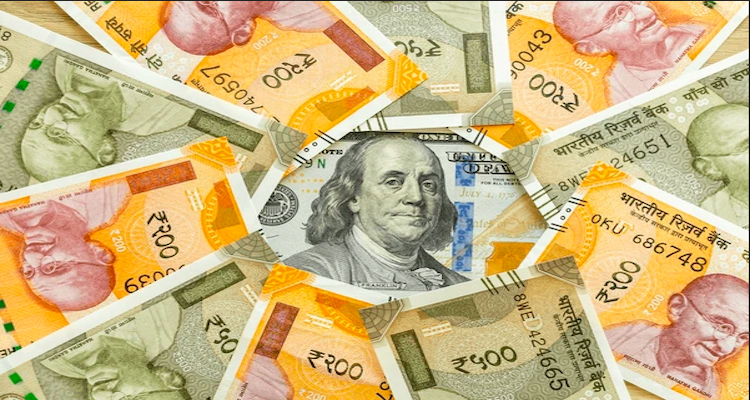
After falling to a one-month low earlier in the week, the U.S. dollar showed modest recovery in early Thursday trading. The dollar index, which tracks the greenback against major currencies like the euro and Japanese yen, edged up slightly to hover around 99.
The euro slipped marginally, while the Japanese yen and British pound also weakened slightly against the dollar. These movements reflect a market searching for direction rather than signaling a decisive shift.
The earlier decline in the dollar followed news of a ceasefire agreement between Washington and Tehran, an announcement that initially boosted investor confidence and reduced demand for safe-haven assets.
A Ceasefire Under Strain
Despite the temporary calm, the truce appears fragile. Tensions in the region remain elevated, particularly as Israel continues military operations against Hezbollah in Lebanon, an Iran-aligned group.
Meanwhile, Iranian officials have accused both the United States and Israel of breaching the ceasefire terms, casting doubt on the viability of ongoing diplomatic efforts. Tehran has even suggested that further negotiations may be “unreasonable” under current conditions.
This uneasy backdrop has kept traders cautious, with many reluctant to take aggressive positions in either direction.
Strait of Hormuz Remains a Flashpoint
Adding to market anxiety is the continued disruption in the Strait of Hormuz, a critical artery for global energy shipments.
The waterway remains restricted, with vessels reportedly requiring special permits to pass through. Shipping companies have held back from fully resuming operations, highlighting the lingering risks to global oil supply chains.
Any prolonged disruption in this region has far-reaching consequences, given that a significant portion of the world’s oil flows through the strait.
Expert Insight: Markets Watching for Escalation
Market analysts warn that even small signs of escalation could quickly reverse recent stability.
Daniela Hathorn, a senior market analyst at Capital.com, noted that renewed tensions, whether through shipping disruptions or spillover conflicts, could drive oil prices higher again. This, in turn, would likely strengthen the U.S. dollar while putting pressure on risk-sensitive assets like equities and emerging market currencies.
Her assessment underscores the delicate balance currently shaping global markets.
Why the Dollar Has Held Strong
The dollar’s resilience during the conflict is not accidental. The United States’ position as a net energy exporter has provided a relative advantage compared to economies heavily dependent on imported oil.
Countries such as Japan and several European nations face greater vulnerability to rising energy costs, making their currencies more sensitive to geopolitical shocks.
This dynamic has helped the dollar outperform its peers during the five-week conflict, which has already caused one of the most significant disruptions to global oil and gas supplies in recent history.
Shifting Power Dynamics in the Region
Analysts suggest that the ceasefire, while reducing immediate hostilities, may have altered the strategic landscape.
Iran appears to have gained increased leverage over maritime traffic through the Strait of Hormuz. This shift follows a de-escalation in U.S. rhetoric, with Washington stepping back from earlier threats targeting Iranian infrastructure.
Such changes could have lasting implications for energy security and geopolitical negotiations in the region.
Economic Data Could Drive Next Moves
Beyond geopolitics, investors are also focused on key U.S. economic indicators due for release later Thursday.
Data on personal spending and the Personal Consumption Expenditures (PCE) deflator—closely watched by the Federal Reserve, could influence expectations around interest rates and inflation.
According to Akihiko Yokoo, a senior analyst at Mitsubishi UFJ Bank, the dollar-yen pair may remain range-bound in the near term. However, stronger-than-expected U.S. data could provide fresh momentum for the dollar.
At the same time, attention is turning to Japan, where Bank of Japan Governor Kazuo Ueda is scheduled to address parliament, potentially offering clues on future monetary policy.
Broader Currency and Crypto Movements
Elsewhere in currency markets, the Australian and New Zealand dollars edged lower, reflecting broader caution among investors.
In the cryptocurrency space, prices also dipped slightly. Bitcoin fell below recent highs, while Ethereum recorded modest losses. These moves suggest a cooling in risk appetite, even as traditional markets stabilize.
Impact on Global Markets
The current situation highlights how closely interconnected geopolitical developments and financial markets have become.
Energy prices, shipping routes, currency values, and investor sentiment are all moving in tandem, influenced by headlines from the Middle East.
For businesses and policymakers, this creates a challenging environment where uncertainty can quickly translate into volatility.
What Comes Next?
Looking ahead, much will depend on whether the ceasefire holds or unravels.
A sustained truce could ease pressure on oil prices and support global economic stability. On the other hand, any escalation, whether in the Strait of Hormuz or neighboring regions could reignite market turbulence.
Investors are likely to remain cautious, balancing geopolitical risks with economic signals from major economies.
Conclusion
The dollar’s brief recovery offers a moment of calm, but the underlying risks have not disappeared.
As tensions simmer in the Middle East and key economic data looms, global markets remain in a holding pattern, watchful, reactive, and prepared for sudden shifts.
For now, stability is fragile, and the next move could hinge on events far beyond the trading floor.
The information presented in this article is based on publicly available sources, reports, and factual material available at the time of publication. While efforts are made to ensure accuracy, details may change as new information emerges. The content is provided for general informational purposes only, and readers are advised to verify facts independently where necessary.