









Australia’s Under-16 Social Media Ban Sparks Global Debate
Australia’s groundbreaking ban on social media access for under-16s launches with confusion, criticism, and global interest as leaders defend the policy’s long-term benefits.
A Bold Law Meets Immediate Pushback
Australia’s historic decision to ban children under 16 from mainstream social media platforms is barely a day old, yet the country is already reckoning with the messy reality of enforcing it. Prime Minister Anthony Albanese admitted on Thursday that the rollout was never expected to be seamless, but insisted the sweeping new restrictions will ultimately protect young lives, even as teenagers openly flaunt the rules online.
A World-First Policy Takes Effect
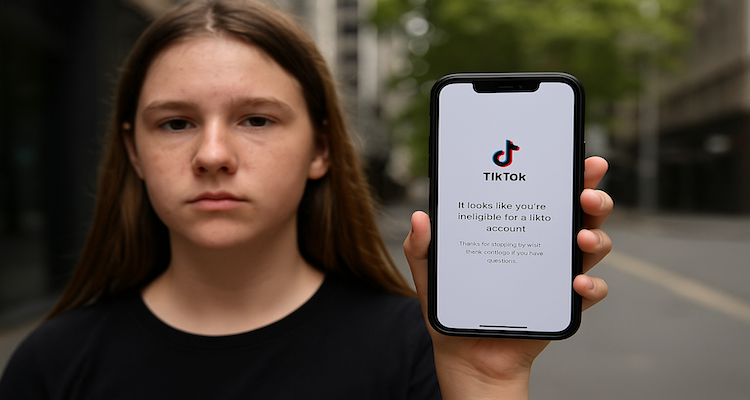
The law, which officially went into force on Wednesday, represents the first national-level ban of its kind. Backed by bipartisan support and the approval of roughly 75% of Australian parents, the measure requires 10 of the world’s largest platforms-including TikTok, Instagram, YouTube, Snapchat, Reddit, Twitch, and X-to block all users under the age of 16 or face penalties reaching A$49.5 million (about $33 million USD).
But within hours of implementation, Australian social media feeds were overflowing with comments from self-identified under-16 users. One message posted directly on the prime minister’s TikTok page : “I’m still here-wait until I can vote.”
The early defiance highlighted the enormity of the task ahead: identifying and shutting down more than a million under-age accounts across multiple platforms, many of which currently rely on self-reported ages.
Government Response: “It Won’t Happen Overnight”
Speaking with Melbourne’s FOX FM, Albanese acknowledged what was already obvious to many parents: enforcement will be gradual.
He said bluntly, “There’s no switch you can flip to shut down a million accounts in a single day. But the work has begun.”
On a separate Sydney radio appearance, he doubled down, noting that if the solution were simple, “someone else would have done it years ago.”
Communications Minister Anika Wells said the eSafety Commissioner-the country’s independent internet regulator-will require all affected platforms to provide before-and-after data on how many under-16 accounts they detect. The information will help determine whether the platforms are genuinely complying or merely paying lip service to the new law.
Global Leaders Watch Closely
The boldness of Australia’s approach has sparked intense attention overseas. Countries including France, Denmark, and Malaysia have already signaled plans to explore similar measures. In the U.S., Republican Senator Josh Hawley publicly praised the ban, framing it as a long-overdue step to shield children from digital harm.
For many governments, Australia’s rollout is effectively a global test case-one that could influence future tech regulation around the world.
Tech Industry Pushback Escalates
Not everyone is applauding the move. Meta, which owns Instagram and Facebook, reiterated its strong opposition. The company said numerous experts and youth advocates fear the law will unintentionally drive Australian teenagers toward unregulated online spaces where harmful content is harder to police.
A Meta spokesperson warned the new approach may create “inconsistent enforcement” across platforms and fail to improve safety overall.
TikTok and Snap declined to comment on the first-day results. Other platforms covered by the ban-including YouTube, Twitch, Reddit, X, and the Australian-owned streaming service Kick-did not respond to immediate inquiries.
All 10 targeted platforms previously opposed the ban but confirmed they would comply once it became law.
Heated Global Reactions: Applause, Alarm, and Everything In Between
The policy has sparked emotional reactions from researchers, psychologists, parents, and free-speech advocates around the world.
U.S. psychologist Jonathan Haidt, whose bestselling book “The Anxious Generation” has shaped international conversations around youth mental health, hailed the new policy simply: “Bravo Australia.”
But UNICEF offered a starkly different assessment. In a statement, the agency warned the law may inadvertently encourage children to seek out corners of the internet with little or no oversight. It stressed that age restrictions alone are not enough, calling instead for major improvements in platform safety designs and content moderation systems.
Schools Already Seeing the Effects
During a visit to a Canberra school, Albanese argued that the online restrictions will benefit students far beyond mental health.
He predicted improvements in classroom behavior, focus, and social skills, saying young people often become “locked into their devices” in ways that disrupt learning and real-world interaction.
A Surge in VPN Searches Signals Resistance
Despite the government’s confidence, millions of Australians appear to be searching for workarounds.
In the week leading up to the ban, national Google search trends showed the highest spike in VPN-related queries in nearly a decade. VPNs allow users to mask their real age or location, making age-based restrictions difficult to enforce.
Hide.me, a free VPN provider, reported a 65% jump in Australian website visits during the days before the law came into effect, though the interest has not yet translated into a sharp rise in downloads.
New Apps Rise as Big Platforms Brace for Scrutiny
As major platforms scrambled to adjust, several smaller apps not covered by the ban shot to the top of Australia’s download charts. The government later emphasized that the list of regulated platforms is “dynamic” and may be expanded if minors flock to alternative apps.
Lemon8, a ByteDance-owned platform, voluntarily raised its age minimum to 16 ahead of the ban. Meanwhile, Yope-a new photo-sharing app-said its Australian user base has surged to roughly 100,000 people. About half its users are under 16, according to the company, which argues it should be classified as a private messaging service rather than a social platform.
Can a Ban Really Keep Kids Safe?
Australia’s sweeping new law marks a turning point in the global debate on youth online safety. Its success-or failure-will influence how governments worldwide approach the balance between digital freedom and child protection.
Critics warn the ban may push young users into more dangerous online environments or burden parents with new monitoring responsibilities. Supporters argue that the risk of inaction is far greater, citing growing evidence linking heavy social media use to anxiety, depression, and self-harm among teens.
For now, the Albanese government appears committed to pushing forward-slowly, even imperfectly-toward a new digital landscape for young Australians.
A Nation Experiments While the World Watches
Australia has stepped into uncharted territory with its under-16 social media ban, and the early days have shown just how complicated the path ahead will be. Whether the policy becomes a global template or a cautionary tale will depend on how effectively both government and tech platforms respond to the challenges emerging in real time.
One thing is clear: the world is watching closely.
ALSO READ: Australia Pushes Back on Big Tech as Teen Social Media Ban Begins