









Army Veteran Charged in Classified Leak Case
A U.S. Army veteran is facing federal charges after allegedly sharing classified information with a journalist, raising fresh questions about national security, whistleblowing, and press freedom. The case underscores the delicate balance between exposing wrongdoing and protecting sensitive military intelligence.
Federal Charges Target Alleged Leak of Classified Data
The U.S. Department of Justice has indicted Courtney Williams, a 40-year-old Army veteran from North Carolina, accusing her of unlawfully sharing classified national defense information. According to federal prosecutors, the disclosures were made to individuals not authorized to receive such material, including a journalist working on a book.
The indictment, handed down by a federal grand jury, alleges violations of the U.S. Espionage Act—a law historically used to prosecute unauthorized disclosures of sensitive government information. Authorities claim Williams knowingly transmitted protected material outside official channels.
Background: Military Role and Security Clearance
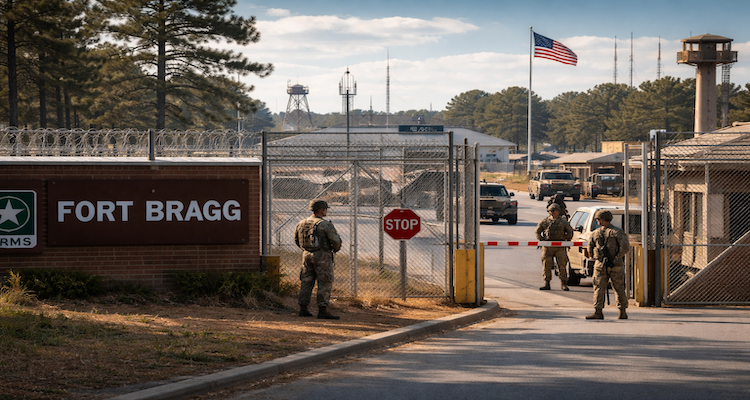
Williams served between 2010 and 2016 in a specialized military unit stationed at Fort Bragg, one of the U.S. Army’s most significant installations. During her tenure, she held a Top Secret/Sensitive Compartmented Information (TS/SCI) clearance, granting her access to some of the government’s most tightly guarded intelligence.
Such clearances come with strict legal obligations. Officials noted that Williams signed non-disclosure agreements both when she joined the unit and again upon her departure, reinforcing her responsibility to safeguard classified information even after leaving active service.
Allegations of Communication With Journalist
Prosecutors say that between 2022 and 2025, Williams engaged in extensive communication with a journalist researching alleged misconduct within the military unit. These interactions reportedly included more than 10 hours of phone conversations and over 180 text messages.
Authorities contend that some of the information shared during these exchanges contained classified national defense details. In addition, Williams is accused of making unauthorized disclosures through her personal social media accounts.
While court documents did not officially identify the journalist, public reporting has linked the case to author Seth Harp, whose book explored allegations of criminal activity within special forces units.
Book at Center of Controversy
The controversy centers around a book published last year that examined claims of drug trafficking, violence, and internal misconduct at Fort Bragg. The work drew significant attention for its portrayal of systemic issues within elite military ranks.
The author has publicly defended Williams, describing her as a whistleblower who sought to expose serious concerns, including gender discrimination and harassment within the unit. He has also questioned the strength and clarity of the charges brought against her.
However, federal authorities maintain that regardless of intent, the unauthorized release of classified information constitutes a serious national security violation.
Evidence Cited by Prosecutors
In their case, prosecutors pointed to messages allegedly sent by Williams around the time of the book’s publication. According to the Justice Department, these communications indicated that she was aware of the sensitivity of the information she had shared.
In one instance, Williams reportedly expressed concern about how much classified material had been disclosed. In another, she allegedly confided in an unnamed individual about fears of potential arrest.
Such statements, prosecutors argue, demonstrate that Williams understood the risks and legal implications of her actions.
Free Speech Concerns and Public Debate
The case has sparked renewed debate among free speech advocates and legal experts. Critics argue that aggressive enforcement of the Espionage Act against sources could discourage whistleblowers from exposing wrongdoing within government institutions.
Supporters of stronger enforcement, however, emphasize the importance of protecting classified information, particularly when it pertains to national defense and military operations.
Legal analysts note that cases involving leaks to journalists often sit at the intersection of First Amendment protections and national security laws, a tension that has persisted for decades.
Historical Context of Leak Prosecutions
While such prosecutions remain relatively uncommon, they are not without precedent. The U.S. government has pursued cases against individuals who leaked sensitive information dating back to the Vietnam War-era Pentagon Papers.
More recent examples include disclosures related to the Iraq War and other national security matters. Each case has contributed to an ongoing legal and ethical debate over transparency, accountability, and secrecy.
The Williams case adds another chapter to this complex history, particularly as it involves allegations tied to internal misconduct within elite military units.
Potential Impact on Military and Media Relations
The outcome of this case could have broader implications for how information flows between government insiders and the media. A conviction may reinforce strict boundaries around classified disclosures, potentially deterring future leaks.
At the same time, the case could intensify scrutiny of how the government handles allegations of wrongdoing within its ranks. If whistleblowers perceive greater legal risk, critics warn that fewer insiders may come forward with information of public interest.
For journalists, the case highlights the ongoing challenges of reporting on national security issues while navigating legal and ethical constraints.
What Comes Next
Williams has not yet publicly responded to the charges, and legal proceedings are expected to unfold in the coming months. If convicted, she could face significant penalties under federal law.
The case is likely to draw continued attention from legal experts, civil liberties organizations, and the media, particularly as it touches on fundamental questions about transparency and accountability.
Conclusion
The indictment of Courtney Williams reflects a broader national conversation about the limits of secrecy and the role of whistleblowers in a democratic society. As the legal process moves forward, the case will test how the justice system balances the protection of sensitive information with the public’s right to know.
Its outcome could shape not only the future of leak prosecutions but also the relationship between government institutions and the journalists who seek to hold them accountable.
The information presented in this article is based on publicly available sources, reports, and factual material available at the time of publication. While efforts are made to ensure accuracy, details may change as new information emerges. The content is provided for general informational purposes only, and readers are advised to verify facts independently where necessary.