










Apple Pushes Back as Congress Weighs New Child Safety Rules
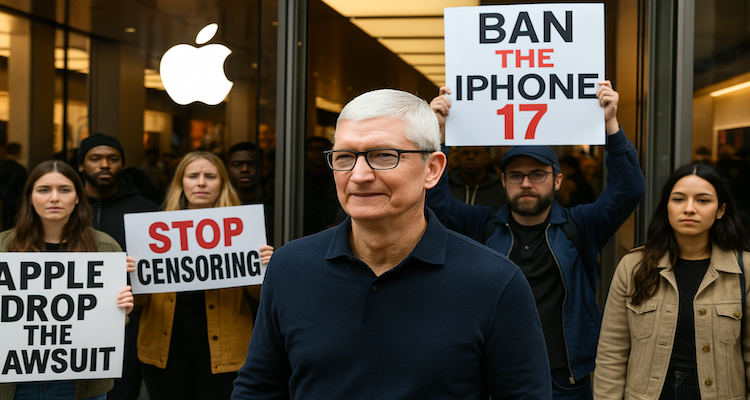
Apple CEO Tim Cook urges lawmakers to reconsider a federal proposal requiring age checks in app stores, warning it could force widespread data collection on users.
A High-Stakes Fight Over Kids’ Online Safety
Apple CEO Tim Cook spent Wednesday on Capitol Hill, making a direct appeal to U.S. lawmakers as momentum grows for a federal law that would require app stores to verify users’ ages. The legislation aims to shield minors from harmful online content-but Apple argues it could force the company to gather personal information it has long refused to collect. The debate has triggered one of the sharpest policy clashes yet between Big Tech firms and regulators, centering on the delicate balance between child protection and digital privacy.
Growing Pressure to Regulate Kids’ Digital Spaces
The proposed bill at the center of the dispute-the App Store Accountability Act-seeks to establish stricter controls over how apps interact with minors. Its premise is simple: online spaces should be safe for younger users, and companies running major marketplaces must help enforce that standard.
States have already begun to take matters into their own hands.
-
Texas now requires parental sign-off before users under 18 can download apps or make in-app purchases.
-
Utah enacted a similar measure earlier this year.
-
Australia went even further this week, unveiling a nationwide rule preventing children under 16 from accessing social media without parental approval.
These moves reflect a broader public concern. Across the U.S., there is bipartisan support for clearer age boundaries online, especially as parents worry about inappropriate content, addictive algorithms, and online predators.
Cook Warns of “Mass Data Collection” Risks
While the intent of the federal bill appears straightforward, Apple says the means could backfire.
According to the company, verifying a user’s age at the app-store level could require platforms like Apple’s App Store or Google Play to collect sensitive documents-potentially including birth certificates or other identifying records. Apple argues that such a shift would transform app stores into massive data vaults containing information about millions of adults and children.
Cook met with members of the House Energy and Commerce Committee on Wednesday to outline those concerns. Apple later confirmed the meeting, emphasizing that the company has historically resisted government mandates that could compromise user privacy.
Google shares similar reservations, warning that the only practical way to satisfy the proposed requirements would be to gather and store large volumes of personal data.
Meta, however, has staked out the opposite position. The owner of Facebook and Instagram claims that age checks performed by app stores-not individual platforms-would be the most reliable way to ensure underage users aren’t bypassing restrictions.
The split has ignited a rare open dispute among tech giants, each arguing they are best positioned to protect kids online while preserving user privacy.
Privacy Versus Safety
Hilary Ware, Apple’s global head of privacy, offered a pointed critique in a letter to lawmakers last week. She cautioned that not all proposals achieve the right balance between protecting minors and safeguarding personal information.
According to Ware, federal age-verification mandates could inadvertently require anyone downloading even the simplest app-such as a weather or sports update-to submit sensitive identifying details. Apple’s concern is not the concept of age checks itself, she said, but the widespread data collection that would inevitably follow.
Public sentiment, however, shows strong support for tighter digital safeguards. A 2023 Pew Research Center survey found:
-
81% of Americans believe parental consent should be required for children to create social media accounts.
-
71% support age verification before accessing social platforms.
These numbers underscore the pressure lawmakers face to act, even as experts continue to debate the best approach.
What’s at Stake for Users and Tech Firms
If enacted, the App Store Accountability Act could fundamentally reshape how app stores operate in the United States. Age verification at the marketplace level would likely require new technologies, new data storage systems, and possibly new legal frameworks to protect the information collected.
For Apple, the implications are even more significant.
The company’s long-standing commitment to minimizing data collection has become a cornerstone of its brand. Requiring Apple to gather sensitive documents for hundreds of millions of users-and store them securely-would mark a major departure from its current privacy model.
For parents, the debate boils down to who should carry the responsibility:
-
Should tech companies be required to verify ages proactively?
-
Or should families decide when and how to disclose their children’s information?
Lawmakers now face a difficult political and ethical challenge-crafting a policy that protects children without triggering the creation of a national digital ID system.
A Debate That Will Shape the Future of Online Safety
As Congress weighs its next steps, the battle over age verification highlights a broader dilemma facing the digital world: how to safeguard children without compromising the privacy of every user. Tim Cook’s meetings on Capitol Hill signal that Apple is prepared to push hard for an approach that keeps the burden on parents, not on tech platforms.
With public support for online safety reforms growing and states pressing ahead with their own rules, lawmakers are under increasing pressure to find a solution. The coming months will determine whether the federal government adopts Apple’s approach-or opts for a more sweeping regulatory model that could redefine digital privacy in the United States.
ALSO READ: The Gadget That Activates Only When You’re Not Looking: A New Era of Invisible Technology