










Why We’re Entering the Era of Personalized Immunity
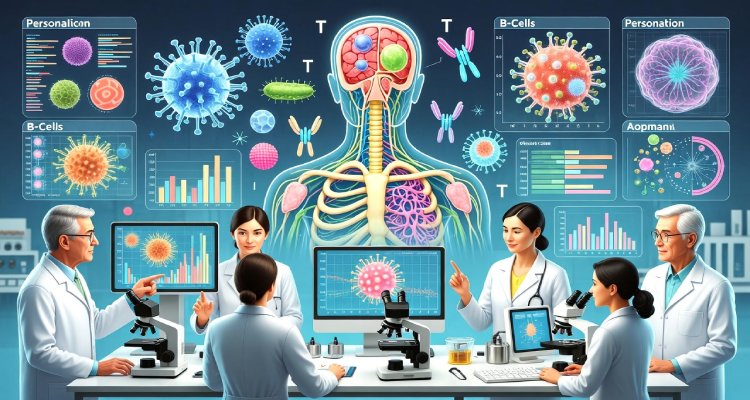
Personalized immunity is reshaping healthcare as genetics, AI, and immune profiling enable tailored protection against disease. Here’s why this shift matters.
Introduction: When One-Size-Fits-All Medicine Stops Working
For decades, modern medicine has been built on a reassuring assumption: that treatments designed for the average patient will work well enough for most people. Vaccines, drugs, and therapies were developed to protect populations, not individuals. But cracks in that model are becoming impossible to ignore. Why does the same vaccine trigger strong protection in one person and barely register in another? Why do some patients experience severe side effects while others feel nothing at all?
These questions are no longer academic. They are driving a fundamental shift in how scientists, doctors, and policymakers think about human immunity. Welcome to the era of personalized immunity—a future where immune protection is tailored to an individual’s genetics, environment, lifestyle, and immune history, rather than applied uniformly across entire populations.
Context & Background: The Limits of Traditional Immunity Models
The concept of immunity has traditionally been framed in broad terms. Public health strategies rely on averages: average immune responses, average risks, average benefits. This approach has delivered historic successes, from eradicating smallpox to reducing childhood mortality worldwide.
However, advances in immunology over the past two decades have revealed a more complex reality. The human immune system is not a single system but a highly individualized network shaped by thousands of variables. Genetics influence how immune cells recognize threats. Early childhood exposure to microbes affects immune tolerance. Diet, stress, sleep, and even geography leave measurable fingerprints on immune responses.
Large-scale studies now show that no two immune systems are identical. Even identical twins, once thought to have nearly identical immune responses, can diverge dramatically over time. This growing body of evidence has made it clear that population-level immunity models, while useful, are increasingly insufficient in a world facing fast-evolving pathogens and chronic immune-related diseases.
Main Developments: Science Is Making Personalized Immunity Possible
Several scientific breakthroughs are converging to push personalized immunity from theory into practice.
Genomics and Immune Profiling
The cost of genetic sequencing has dropped sharply, allowing researchers to identify variations in immune-related genes at an unprecedented scale. These variations can explain why some people are more susceptible to infections, autoimmune disorders, or severe inflammatory reactions.
Beyond genetics, immune profiling technologies now allow scientists to map an individual’s immune system in detail—measuring antibody levels, T-cell responses, inflammatory markers, and immune memory. This creates a biological “immune fingerprint” unique to each person.
Personalized Vaccines and Therapies
Vaccines are no longer limited to standardized formulas. In cancer treatment, personalized vaccines are already being developed to train a patient’s immune system to recognize mutations unique to their tumor. Similar principles are now being explored for infectious diseases, where vaccine dosage, timing, or formulation could be adjusted based on individual immune responses.
Immunotherapies, once reserved for advanced cancers, are expanding into autoimmune diseases and chronic infections. These treatments are increasingly designed to modulate specific immune pathways rather than suppress the entire immune system.
Artificial Intelligence and Predictive Immunology
AI and machine learning are playing a crucial role by analyzing massive datasets that no human could interpret alone. By combining genetic data, medical history, lifestyle factors, and real-time biomarkers, AI models can predict how a specific person is likely to respond to an infection or treatment.
This predictive power is turning immunity from a reactive system into a proactive one—where risks can be identified and addressed before illness strikes.
Expert Insight: A Shift From Population Health to Precision Protection
Many immunologists describe this moment as a turning point comparable to the rise of personalized medicine in oncology.
“We’re moving away from the idea that immunity is universal,” one researcher involved in immune systems modeling explains. “Instead, we’re recognizing immunity as deeply personal—shaped by biology, experience, and environment.”
Public health experts are careful to note that personalized immunity does not replace population-wide strategies. Vaccination campaigns and herd immunity remain essential. But they argue that personalization adds a critical second layer—especially for vulnerable populations such as the elderly, immunocompromised individuals, and those with chronic conditions.
Among the public, awareness is growing as well. People increasingly expect healthcare to account for their unique biology, not just their symptoms. Wearable health devices, at-home testing kits, and personalized nutrition plans are reinforcing the idea that health is individual, not average.
Impact & Implications: Who Benefits—and What Comes Next
For Patients
Personalized immunity promises more effective protection with fewer side effects. Instead of trial-and-error treatments, patients could receive therapies optimized for their immune profile, reducing both risk and recovery time.
This approach may be especially transformative for chronic inflammatory diseases, allergies, and autoimmune disorders, where blanket immune suppression often causes long-term complications.
For Healthcare Systems
Healthcare systems could shift from treating illness to preventing it. Early immune profiling could identify people at high risk for severe infections, enabling targeted interventions that reduce hospitalizations and costs.
However, this transition also raises challenges. Personalized immune care requires advanced infrastructure, data security, and ethical oversight. Ensuring equitable access will be a major test for health systems worldwide.
For Global Health Policy
On a global scale, personalized immunity complicates traditional public health planning. Policies based solely on averages may need to be rethought to account for immune diversity across populations.
At the same time, personalized data could improve outbreak response by identifying which groups are most vulnerable to new pathogens, allowing faster and more precise interventions.
Conclusion: Immunity Is Becoming Personal—By Necessity, Not Choice
The era of personalized immunity is not arriving because it is fashionable or futuristic. It is emerging because the biological reality demands it. As pathogens evolve faster, populations age, and immune-related diseases rise, the limitations of one-size-fits-all immunity are becoming impossible to ignore.
Personalized immunity represents a deeper understanding of what it means to protect human health—not by treating people as averages, but by recognizing the biological individuality that defines us all. The immune system, long seen as a universal defense mechanism, is now revealing itself as one of the most personal systems in the human body.
The future of immunity, it seems, will not be mass-produced. It will be custom-built.
This article is intended for general awareness and educational purposes only. It should not be considered medical advice. Readers are encouraged to consult qualified healthcare professionals for personal health decisions.