







Why We’re Becoming Tourists in Our Own Identities
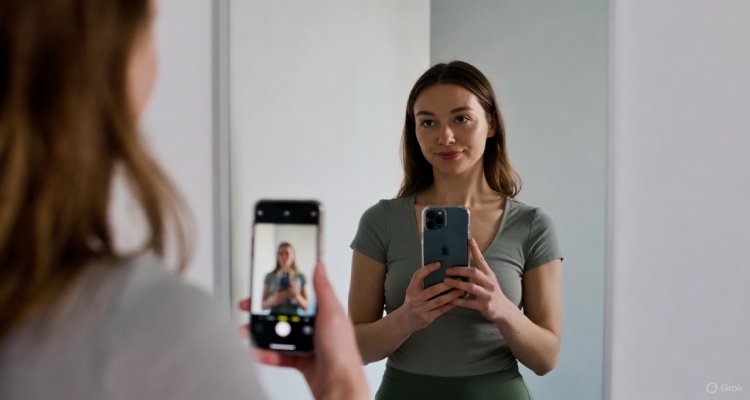
In a world shaped by social media and constant self-curation, many feel like tourists in their own lives, observing rather than fully living.
Introduction: The Age of Self-Tourism
We live in a paradoxical era. While technology promises to bring us closer to ourselves, many of us are increasingly observing our own lives as if we’re outsiders. Scrolling through social media, curating experiences for public consumption, and navigating identities in both digital and physical spaces, we often feel more like tourists in our own existence than active participants. But what drives this phenomenon, and what does it mean for the way we understand ourselves?
Context & Background: Identity in the Digital Age
Over the past two decades, the explosion of digital platforms has changed the way people perceive and present themselves. From Instagram stories to LinkedIn profiles, individuals are constantly crafting narratives of their lives—selectively highlighting moments, achievements, and experiences.
Psychologists note that this self-curation can create a sense of detachment. “When we spend more time documenting and optimizing our identities than living them, we begin to experience ourselves externally,” explains Dr. Alisha Rivera, a social psychologist specializing in identity and technology. “We stop being participants and become spectators.”
Historically, identity formation was largely private and introspective. The rise of social media, global mobility, and even the gig economy has transformed it into a performative act, visible to thousands or even millions. This shift has created a generation of individuals who, paradoxically, feel less connected to who they are in the moment.
Main Developments: The Rise of Observational Living
Recent studies support the idea that people are increasingly living in observation mode. A 2023 survey by the Pew Research Center found that over 60% of adults felt pressure to present an idealized version of themselves online. Similarly, research from Stanford University indicates that constant self-documentation can erode authenticity and increase anxiety, leading individuals to feel like outsiders in their own lives.
This “tourist mindset” manifests in multiple ways:
- Social Media Curation: Individuals craft online personas that may not reflect their true selves.
- Experiential Consumption: Travel, dining, and leisure are increasingly performed for the camera rather than personal enjoyment.
- Career and Lifestyle Choices: Some make professional or personal decisions based on how they will be perceived, rather than intrinsic motivation.
These behaviors reinforce the cycle: as individuals distance themselves from lived experience, they become observers, documenting life as if it were a foreign country.
Expert Insight and Public Reaction
Experts warn that this phenomenon has both subtle and profound consequences. Dr. Rivera notes, “Self-tourism is not inherently negative—it can lead to reflection—but when observation replaces participation, it can harm mental health and social relationships.”
Public sentiment reflects growing unease. On social media platforms, discussions about burnout, impostor syndrome, and digital fatigue often mention feeling disconnected from one’s “true” identity. Influencers and thought leaders have begun advocating for digital detoxes, mindfulness practices, and conscious living as antidotes to the self-tourist mentality.
Impact & Implications: What Happens Next?
If this trend continues, the implications for society could be significant:
- Mental Health: Detachment from authentic experience can contribute to anxiety, depression, and a pervasive sense of alienation.
- Social Connections: Relationships may become more performative, with authenticity sacrificed for optics.
- Cultural Perception of Success: Life achievements may be increasingly judged by public visibility rather than personal fulfillment.
However, there is hope. Awareness of this dynamic is growing. Movements encouraging “living off-screen,” prioritizing lived experiences, and embracing imperfections aim to reverse the trend. Organizations are also exploring programs that blend mindfulness with technology, helping individuals reconnect with their authentic selves.
Conclusion: Reclaiming the Self
Becoming a tourist in one’s own identity is a symptom of a broader societal shift toward observation over participation. While technology and culture have amplified this tendency, the antidote lies in intentional living—choosing presence over performance, experience over documentation, and authenticity over projection.
As Dr. Rivera emphasizes, “We can still be travelers in life, but the most important journey is the one within. Observing yourself is natural—but don’t forget to live it, too.”
In a world obsessed with optics and performance, reclaiming our presence in our own lives is not just desirable—it may be essential for personal and collective well-being.
Disclaimer: This article is for informational and educational purposes only. It reflects research, expert opinions, and cultural observations at the time of writing. It is not intended as professional medical, psychological, or legal advice. Readers should consult qualified professionals for guidance specific to their personal circumstances.