









Why the World’s Newest Coastline Is Drawing Explorers From Every Direction
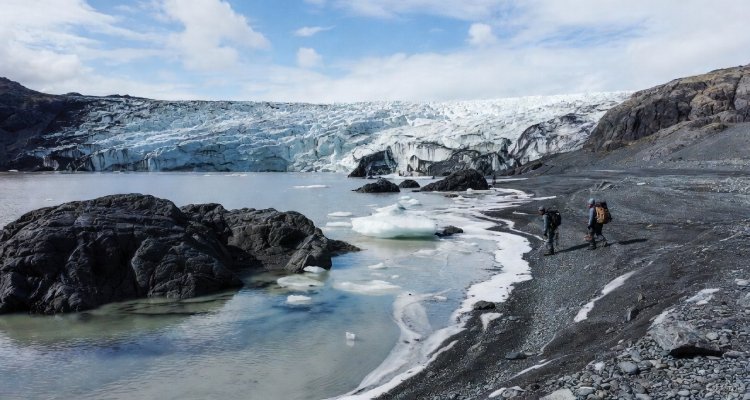
Scientists and adventurers are racing to study the world’s newest coastline, formed by rapid climate shifts and emerging landmasses reshaping global geography.
Introduction: A Coastline Born Overnight
When Captain Lena Moroz first stepped onto the jagged black sand of a coastline that did not exist a decade ago, she knew she was witnessing history—not in archives, but under her boots. “It felt like the Earth had redrawn itself,” she said. And in many ways, it had. Across the planet, explorers are rushing to document what scientists now call the world’s newest coastline—a frontier created not by myth or miracle, but by the planet’s accelerating transformation.
From newly exposed Arctic shores to coastal lines rising from retreating glaciers, the race to map, understand, and protect these fresh edges of the Earth has begun.
Context & Background: How a New Coastline Was Born
Coastlines traditionally evolve over thousands of years, shaped by tectonics, sediment flow, and storms. But the newest coastline attracting global attention formed far faster due to a combination of:
- Rapid ice loss in polar regions
- Shifting sea levels
- Emerging land once buried under glaciers
- New islands forming from volcanic activity
The most dramatic changes are unfolding in the Arctic, where receding ice sheets have revealed vast tracts of rock and sediment—territory once unreachable and unseen. Satellite imagery from the last 15 years shows entire contours of continents subtly changing, with new inlets, fjords, and peninsulas taking shape.
Governments, research institutes, and private explorers are now racing to chart this new geography before nature reshapes it again.
Main Developments: A Global Rush to the Fresh Edge of Earth
1. Scientists Racing to Document Coastal Birthplaces
Teams from the US, Canada, Norway, and Russia have launched major expeditions to map these emerging coasts. Their goals include:
- Studying newly exposed ecosystems
- Understanding geological processes shaping young shorelines
- Measuring carbon and methane release from thawing permafrost
- Recording early signs of new marine habitats
The urgency comes from the fact that these environments are still unstable, shifting season to season as ice continues to retreat.
2. Nations Eyeing Resources Beneath the Surface
Behind scientific enthusiasm lies geopolitical interest. Newly exposed shelves may contain:
- Rare earth minerals
- Untapped fossil fuel reserves
- Critical metals required for clean-energy technologies
While international treaties regulate much of the Arctic, the rush to stake claims in newly revealed territories is accelerating, subtly reshaping diplomatic dialogues and strategic policies.
3. Adventurers, Filmmakers, and Environmentalists Join the Chase
Modern explorers are drawn to the coastline for different reasons—some for documentation, some for conservation, and others for the historical privilege of seeing Earth’s newest frontiers.
Drone pilots, documentary crews, and climate storytellers are capturing these virgin landscapes to show the world what new coastlines truly look like—raw, unstable, and astonishing.
Expert Insight & Public Reaction
Marine geologist Dr. Hazel Quinn describes the emerging coastline as “a geological newborn.”
“We’re seeing landscapes that haven’t breathed open air for tens of thousands of years. This is one of the rare moments when humanity actually witnesses the Earth changing in real time.”
Climate scientists warn that while the coastline may look like a marvel, it’s also a symptom of broader climate disruption.
On social media, reactions are mixed. Some call it “the next great frontier,” while others view it as a stark reminder of environmental decline. Many posts capture breathtaking drone shots, yet comment sections often debate whether fascination should outweigh concern.
Impact & Implications: What Happens Next?
1. Environmental Consequences
New shorelines reshape habitats for polar bears, seals, seabirds, and marine species. Some species may adapt; others may struggle. The rapid shift is likely to alter migration routes and food chains.
2. Economic and Geopolitical Stakes
As coastlines shift, so do maritime boundaries. Nations may redraw:
- Exclusive economic zones (EEZs)
- Shipping routes
- Resource extraction policies
The Northern Sea Route, for example, is already experiencing increased traffic due to reduced ice cover.
3. Scientific Opportunities Unlike Anything Before
These coastlines offer real-time laboratories where scientists can observe early coastal formation processes, new microbial life in exposed sediments, and how the ocean reclaims or reshapes fresh land.
4. Cultural and Indigenous Impact
Indigenous Arctic communities face both opportunity and risk. Newly accessible waters can support small-scale fisheries, but unstable coastlines threaten heritage sites and infrastructure.
Conclusion: A Coastline That Tells the Future
The world’s newest coastline is more than a geographical anomaly—it’s a message written in stone, sand, and melting ice. It speaks of a planet in transition, of ecosystems evolving under pressure, and of human explorers racing to understand what unfolds next.
Whether these coastlines become hubs of research, battlegrounds of geopolitics, or symbols of environmental warning will depend on how nations and communities respond. For now, explorers continue their pursuit—not just chasing a new coast, but chasing answers about the world we are rapidly reshaping.
Disclaimer :This article is for informational and educational purposes only. It is based solely on the provided headline and does not claim to represent specific real-world events unless otherwise stated.