



Why Dhatura and Bhang Are Sacred Offerings to Shiva
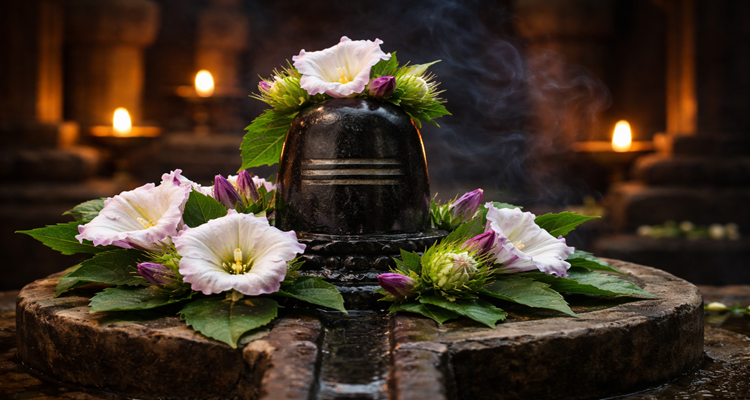
Visitors to Shiva temples often notice unusual offerings placed before the deity—plants such as dhatura and bhang, which are rarely associated with traditional religious rituals elsewhere.
In Shaivite traditions, however, these plants carry deep symbolic meaning and are believed to hold a special connection with Lord Shiva.
Sacred Plants in Hindu Rituals
Many Hindu rituals involve offerings from nature, including flowers, leaves, fruits, and herbs.
These items are selected not only for their beauty but also for their symbolic significance.
In Shiva worship, certain plants have been revered for centuries as sacred elements in devotional ceremonies.
The Symbolism of Dhatura
Dhatura is a flowering plant known for its distinctive trumpet-shaped blooms.
In mythological symbolism, the plant represents resilience and transformation.
Its ability to grow in harsh environments mirrors Shiva’s association with ascetic life in remote mountain regions.
Because of this symbolism, dhatura flowers are commonly offered during Shiva worship.
The Role of Bhang
Bhang, derived from cannabis leaves, has a long history in Shaivite traditions.
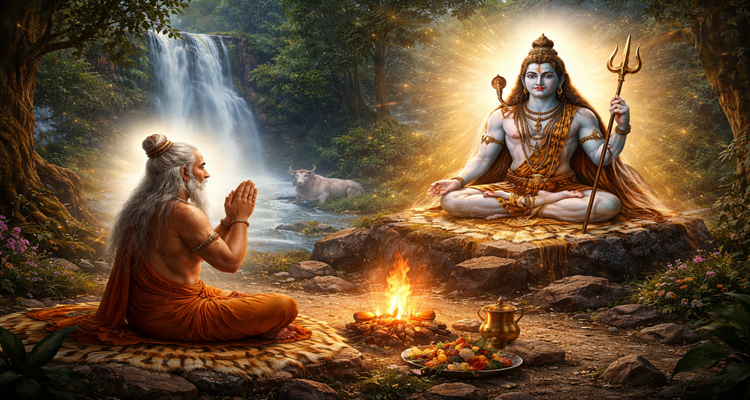
In many narratives, Shiva is described as a yogi who resides in deep meditation in the Himalayas.
Bhang is symbolically associated with spiritual detachment and the transcendence of worldly distractions.
In ritual contexts, the offering represents surrender of the ego and a focus on higher consciousness.
Ritual Context
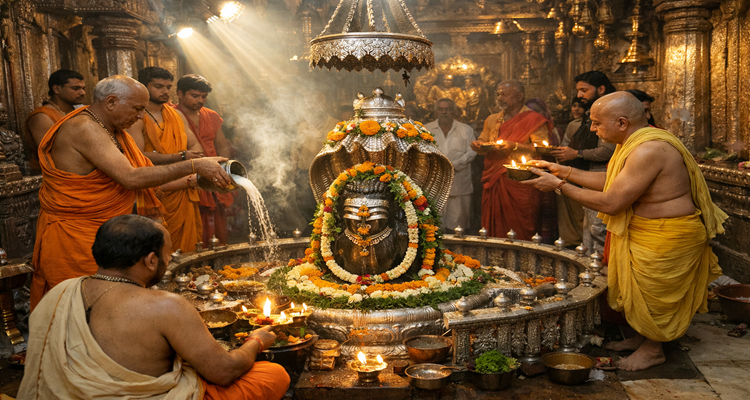
During temple ceremonies, devotees may offer dhatura flowers or bhang leaves alongside other sacred items such as milk, water, and sandalwood.
These offerings are typically accompanied by prayers and mantra chanting.
The ritual is intended to express devotion rather than promote the substances themselves.
Cultural Traditions
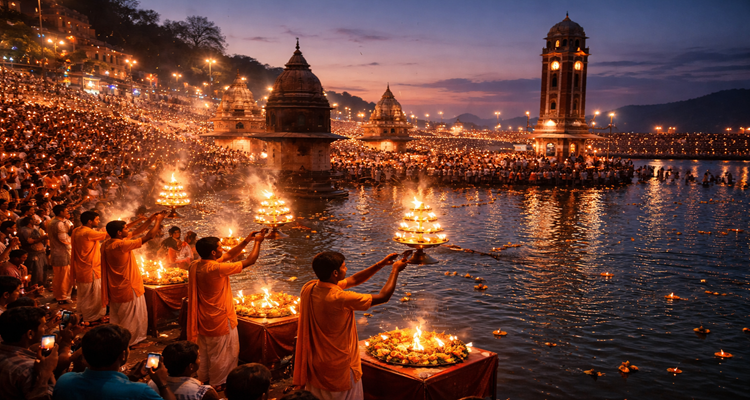
The use of these offerings is particularly common during festivals dedicated to Shiva.
Events such as Mahashivratri and the month of Shravan see large numbers of devotees performing elaborate worship rituals.
These traditions reinforce the connection between nature, spirituality, and divine symbolism.
Real-World Impact
Today, the symbolic association of these plants continues to influence cultural practices and festival rituals across India.
While interpretations vary across regions, the offerings remain an enduring part of Shaivite devotional life.
Conclusion
Dhatura and bhang represent more than unusual temple offerings.
They embody philosophical ideas about detachment, transformation, and spiritual awakening associated with Lord Shiva.
Through these symbols, ancient traditions continue to communicate deeper spiritual values.
The information presented in this article is based on publicly available sources, reports, and factual material available at the time of publication. While efforts are made to ensure accuracy, details may change as new information emerges. The content is provided for general informational purposes only, and readers are advised to verify facts independently where necessary.