










WHO, European Commission Ink €3.5 Million Deal to Combat Antimicrobial Resistance
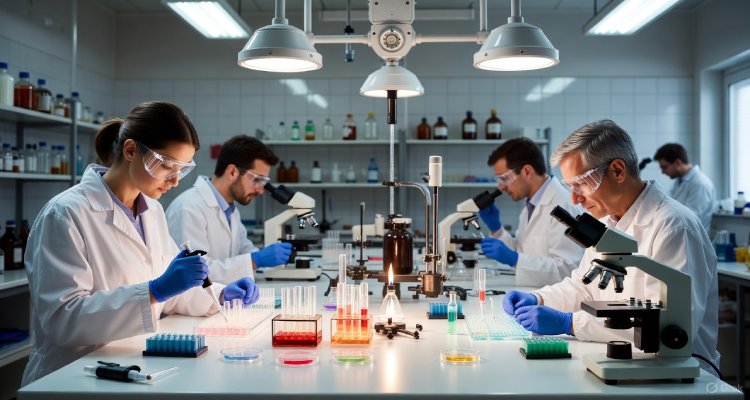
WHO and the European Commission’s HERA expand their partnership with €3.5M funding to fight antimicrobial resistance and develop next-gen treatments.
Introduction: A Growing Global Threat
Antimicrobial resistance (AMR), often called the “silent pandemic,” is quietly threatening the foundations of modern medicine. From routine surgeries to life-saving cancer treatments, the rise of drug-resistant infections is pushing healthcare systems worldwide to a breaking point. In a decisive move to counter this escalating threat, the World Health Organization (WHO) and the European Commission’s Health Emergency Preparedness Authority (HERA) have signed a €3.5 million agreement under the EU4Health programme, aiming to expand global efforts against AMR.
Context & Background: Understanding Antimicrobial Resistance
Antimicrobials—including antibiotics, antivirals, antifungals, and antiparasitics—are medicines crucial for preventing and treating infections in humans, animals, and plants. However, microbes naturally evolve over time, developing resistance to these treatments. When bacteria, viruses, fungi, or parasites no longer respond to drugs, infections become difficult, sometimes impossible, to treat.
This phenomenon, accelerated by misuse and overuse of antimicrobials in medicine and agriculture, gives rise to “superbugs.” These drug-resistant pathogens threaten not just individual health but the very sustainability of global healthcare systems.
AMR’s toll is staggering: in 2019, bacterial resistance was directly responsible for 1.27 million deaths and contributed to nearly 5 million more. Beyond human lives, the economic ramifications are immense. The World Bank projects AMR could cost $1 trillion in healthcare by 2050, alongside $1–$3.4 trillion in global GDP losses annually by 2030.
Main Developments: Scaling Up the Fight Against AMR
The WHO-HERA partnership, initially launched in 2022, focuses on developing new medical countermeasures and ensuring equitable access to treatments. The recent €3.5 million agreement will bolster research and development for:
- New antibiotics targeting drug-resistant pathogens
- Antifungal medications to combat resistant fungal infections
- Non-traditional therapies, such as bacteriophages, viruses that selectively infect and kill harmful bacteria
By expanding these initiatives, the partnership aims to address the growing gap in the pipeline for effective antimicrobial therapies, a critical step as the world teeters on the brink of a post-antibiotic era.
Expert Insight: The Urgency of Collective Action
Dr. Maria Van Kerkhove, WHO’s Technical Lead on AMR, emphasized, “Antimicrobial resistance is no longer a distant threat. Without immediate and coordinated global action, routine infections could once again become fatal. Partnerships like this provide the necessary investment and innovation to safeguard modern medicine.”
Meanwhile, HERA representatives underscored the EU’s commitment: “Strengthening research, development, and equitable access to next-generation antimicrobials is a priority. This funding will accelerate solutions that protect both public health and the economy.”
Public health experts caution that success depends not just on new drug development but on responsible global use of existing antimicrobials, improved diagnostics, and strengthened healthcare systems, particularly in low- and middle-income countries.
Impact & Implications: What’s Next
The €3.5 million boost will enable WHO to:
- Accelerate R&D for treatments against the most dangerous pathogens
- Explore innovative therapies like bacteriophages
- Support equitable access to life-saving medicines worldwide
If successful, these efforts could prevent countless deaths, reduce the economic burden of AMR, and protect the efficacy of essential medical procedures. However, experts warn that without long-term investments and international coordination, the gains may be temporary, and the risk of a post-antibiotic world remains real.
Countries, healthcare providers, and researchers must collectively adopt stewardship measures—limiting unnecessary antimicrobial use, monitoring resistance trends, and investing in new solutions—to ensure global resilience against this invisible but deadly threat.
Conclusion: A Call for Global Vigilance
AMR is a multifaceted crisis, bridging health, economy, and security. The WHO-HERA partnership represents a crucial step in addressing this global emergency, combining innovation, funding, and collaboration. Yet, the challenge extends beyond €3.5 million—success will require sustained commitment, responsible antimicrobial use, and global solidarity.
As WHO and HERA scale up research and development, the world watches closely, hoping that through science, investment, and cooperation, humanity can stay one step ahead of superbugs and preserve the promise of modern medicine.
Disclaimer: The information provided in this article is for informational and educational purposes only. It is based on publicly available sources and expert analyses. While efforts have been made to ensure accuracy, the content should not be considered medical, legal, or financial advice. Readers are encouraged to consult relevant professionals for specific guidance. The publisher and authors are not responsible for any consequences arising from the use of this information.