










WHO Backs GLP-1 Drugs for Treating Obesity: A Turning Point in the Global Fight Against a Growing Health Crisis
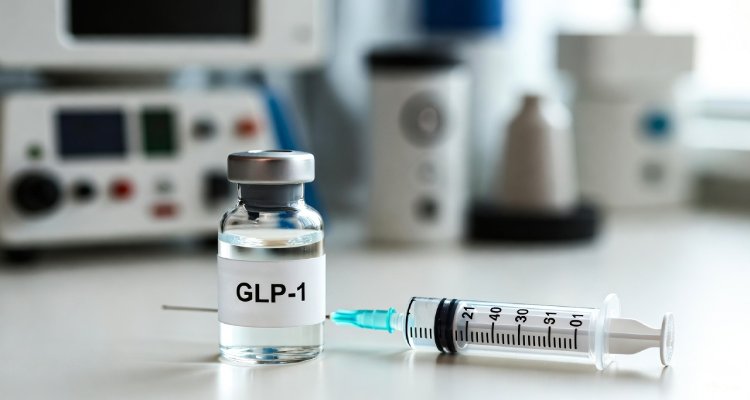
WHO issues its first guideline supporting GLP-1 drugs for obesity treatment, marking a major shift in global health strategy to address rising obesity rates.
Introduction: A New Chapter in the Global War on Obesity
As obesity rates surge past one billion people worldwide, the World Health Organisation (WHO) has taken a decisive step: endorsing the use of GLP-1 therapies as part of an evidence-based strategy to treat obesity as a chronic, relapsing disease. For the first time, the world’s leading health authority has issued guidelines supporting these medications—signalling a major shift in how countries may address one of the most urgent public-health challenges of our time.
Context & Background: Obesity’s Alarming Global Toll
Obesity is no longer an issue confined to wealthy nations or specific age groups—it affects people in every country, across all demographics. WHO classifies obesity as having a Body Mass Index (BMI) of 30 or higher in adults, a benchmark that millions now exceed. The ripple effects have been devastating: in 2024 alone, obesity was linked to 3.7 million deaths, driven largely by non-communicable diseases such as cardiovascular ailments, type 2 diabetes, and some cancers.
But the consequences extend even further. Obesity contributes to poorer outcomes in infectious diseases, drains productivity, and strains healthcare systems. Economically, the global cost is predicted to reach a staggering $3 trillion annually by 2030, underscoring the need for immediate and coordinated action.
Without strong intervention, WHO warns that the number of people living with obesity could double by 2030—a projection that places immense pressure on governments, healthcare providers, and policy makers.
Main Developments: WHO Endorses GLP-1 Therapies
The new guideline marks a strategic milestone. In September 2025, WHO added GLP-1 therapies to its Essential Medicines List for treating type 2 diabetes in high-risk groups. Building on that momentum, the organization has now extended its recommendations to include their use for obesity treatment.
What Are GLP-1 Drugs?
GLP-1 (Glucagon-Like Peptide-1) medications mimic a natural hormone involved in appetite regulation, leading to greater satiety, reduced caloric intake, and improved metabolic function. They represent the first class of drugs to show consistent, clinically significant results in helping adults lose weight safely and effectively.
How the Guideline Was Developed
The WHO guideline is the product of rigorous review:
- Extensive analysis of global clinical evidence
- Input from a diverse panel of stakeholders
- Consultations with individuals who have lived experience with obesity
The result is a conditional recommendation, meaning GLP-1 drugs should be used within a broader, comprehensive approach—not as a standalone solution.
What the Guideline Recommends
According to WHO, GLP-1 medicines may be used to support individuals living with obesity as part of a treatment plan that includes:
- Evidence-based dietary changes
- Regular physical activity
- Behavioral support and continuous care from healthcare professionals
The agency is clear: while drugs can help, obesity cannot be solved through medication alone.
Expert Insight & Public Reaction
Health specialists and policy analysts have welcomed WHO’s position, calling it a long-overdue recognition of obesity as a complex disease rather than a personal failing.
“GLP-1 therapies are providing hope to millions who have struggled with weight their entire lives,” says Dr. A. Ramanathan, a metabolic health expert based in India. “But the guideline correctly emphasizes that medication is only one piece of the puzzle. Sustainable change requires supportive environments, early interventions, and equitable access to care.”
Public reaction has been mixed—optimism from patients who have experienced weight-loss success with GLP-1 drugs, but also concerns about affordability, accessibility, and long-term availability in low- and middle-income countries. For many, WHO’s guidance is a welcome step, but not a complete solution.
Impact & Implications: Beyond Medication — A Societal Shift
WHO’s position highlights a critical truth: obesity is not merely an individual health risk; it is a societal challenge, shaped by food systems, urban design, marketing, and socioeconomic inequality.
The guideline outlines a three-pillar strategy for countries to follow:
1. Creating Healthier Environments
Population-level policies—such as regulating unhealthy food advertising, ensuring safer public spaces for physical activity, and improving nutrition literacy—are central to prevention.
2. Protecting High-Risk Individuals
Early screening, targeted interventions, and structured health programs can help people at risk avoid long-term complications.
3. Ensuring Lifelong, Person-Centred Care
Obesity requires continuous care, not short-term fixes. Healthcare systems must be equipped to provide ongoing support, counseling, and follow-up treatment.
If nations implement these strategies alongside responsible use of GLP-1 therapies, WHO believes the world could significantly slow the rising tide of obesity.
Conclusion: A Defining Moment in Global Health
The WHO’s endorsement of GLP-1 drugs marks a turning point in the global response to obesity. For millions, these medicines may offer a path toward healthier lives—but only when paired with broader, sustained action across governments, industries, and communities.
As obesity rates continue to climb, this guideline sends a clear message: tackling the epidemic demands a comprehensive, coordinated strategy rooted in science, equity, and long-term care. The world now has a blueprint. The next step is implementation.
Disclaimer :This article is for informational purposes only and does not constitute medical advice. Individuals should consult qualified healthcare professionals before starting or changing any medical treatment.