










Vaccines Do Not Cause Autism, Reaffirms WHO Amid Renewed Global Debate
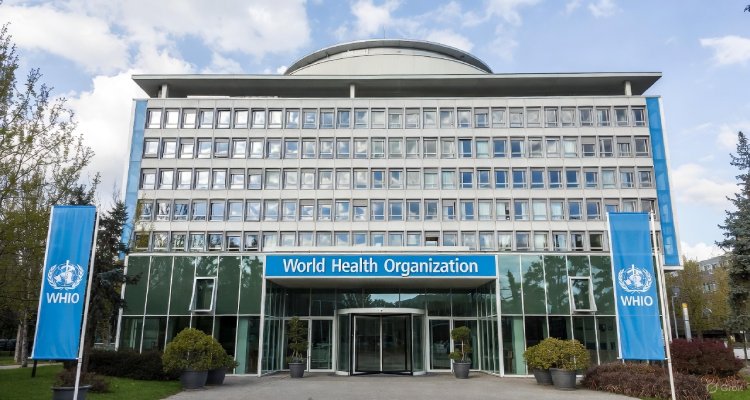
WHO reaffirms that vaccines do not cause autism, citing global research and warning against misinformation that threatens public health and immunisation efforts.
Introduction: Clearing Science From the Noise
At a time when misinformation spreads faster than facts, the World Health Organization (WHO) has issued an unequivocal reminder grounded in decades of scientific evidence: vaccines do not cause autism. The reaffirmation comes amid renewed global confusion following controversial changes in public messaging by US health authorities and persistent anti-vaccine rhetoric from influential political figures. For parents, healthcare workers, and policymakers alike, the WHO’s message is not just a rebuttal—it is a call to anchor public health decisions in evidence, not ideology.
Context & Background: How a Settled Question Was Reopened
The question of whether vaccines cause autism has long been addressed—and answered—by the global scientific community. Extensive research over several decades has consistently shown no causal link between vaccines, including the measles, mumps, and rubella (MMR) vaccine, and autism spectrum disorder (ASD).
However, in November, the US Centers for Disease Control and Prevention (CDC) revised language on its official website in a way that critics say diluted its previously firm, evidence-based stance on vaccines and autism. The move raised alarms among public health experts, particularly as it coincided with long-standing anti-vaccine claims promoted by US Secretary of Health and Human Services Robert F. Kennedy Jr.
In response to growing confusion and misinformation, WHO moved swiftly to restate the scientific consensus, reinforcing public trust in one of modern medicine’s most successful interventions.
Main Developments: What WHO’s Latest Review Found
The WHO Global Advisory Committee on Vaccine Safety (GACVS), an independent body established in 1999, conducted a comprehensive assessment of two new systematic literature reviews examining any possible relationship between vaccines and autism spectrum disorder.
The Committee’s findings were unambiguous.
After reviewing 31 primary research studies published between January 2010 and August 2025, covering data from multiple countries and populations, GACVS reaffirmed that there is no evidence of a causal relationship between vaccines and ASD. The analysis focused specifically on:
- Thiomersal-containing vaccines, a preservative once controversially linked to autism despite repeated scientific refutation
- Vaccines in general, including those administered during childhood and pregnancy
The evidence strongly supported the positive safety profile of vaccines, reinforcing their role in protecting children and communities without increasing autism risk.
WHO urged national governments and health agencies to rely on the latest science and resist narratives that undermine confidence in immunisation programs.
Understanding Autism: What Science Actually Tells Us
Autism spectrum disorders are complex, lifelong neurodevelopmental conditions that affect approximately one in every 100 children worldwide. ASD is characterized by challenges in social interaction and communication, alongside atypical behaviors such as sensitivity to sensory stimuli or difficulty transitioning between activities.
Importantly, scientific evidence suggests autism arises from multiple interacting factors, including genetics and environmental influences—not vaccines.
Autism presents differently in each individual. While some autistic people live independently and thrive professionally, others require lifelong care and support. Many experience co-occurring conditions such as epilepsy, anxiety, depression, ADHD, or sleep disorders.
WHO emphasizes that early diagnosis, timely psychosocial interventions, inclusive education, and supportive societal attitudes significantly improve quality of life for autistic individuals and their families.
Expert Insight & Public Health Perspective
Public health experts warn that even subtle shifts in official messaging can have serious consequences.
“Vaccines are victims of their own success,” one global immunisation specialist noted. “When diseases disappear, fear shifts from illness to prevention. That’s when misinformation fills the gap.”
WHO officials stress that global childhood immunisation is one of humanity’s greatest public health achievements. Over the past 50 years alone, vaccines have saved at least 154 million lives, dramatically reducing deaths from measles, polio, tetanus, and other once-fatal diseases.
Undermining confidence in vaccines risks reversing these gains, particularly in low- and middle-income countries where immunisation coverage is already fragile.
Impact & Implications: What Happens Next
The WHO’s reaffirmation carries important implications:
- For governments: Vaccine policies must remain grounded in peer-reviewed evidence, not political pressure.
- For healthcare professionals: Clear, confident communication is essential to counter vaccine hesitancy.
- For parents and caregivers: Reliable scientific guidance should outweigh social media narratives and misinformation.
- For autistic communities: Shifting the focus from false causes to meaningful support, inclusion, and services is long overdue.
WHO also reiterates the importance of routine child development monitoring and early, evidence-based interventions to help autistic children build communication and social skills across their lifespan.
Conclusion: Science, Trust, and Responsibility
In reaffirming that vaccines do not cause autism, WHO is not introducing new science—it is defending settled science against renewed doubt. At stake is not just public understanding, but public health itself.
Vaccines remain among the safest and most effective tools ever developed to protect human life. As misinformation resurfaces in new forms, WHO’s message is clear: trust evidence, protect children, and do not allow fear to undo decades of progress.
Disclaimer :This article is for informational and educational purposes only. It is based on publicly available scientific assessments and does not replace professional medical advice. Readers are encouraged to consult qualified healthcare providers for individual health decisions.