









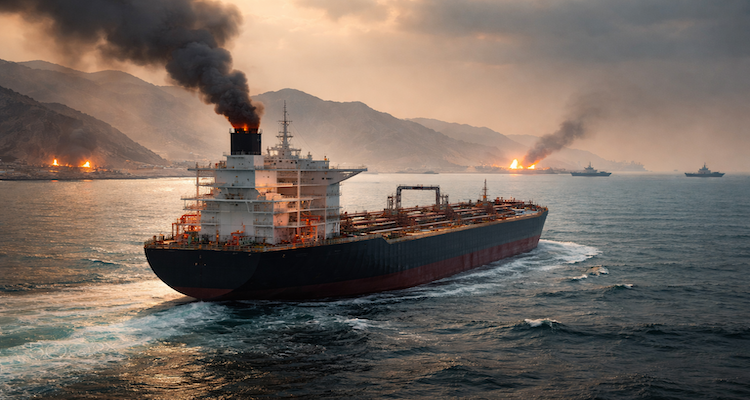
Trump Cuts Venezuela Oil Lifeline to Cuba, Raises Stakes
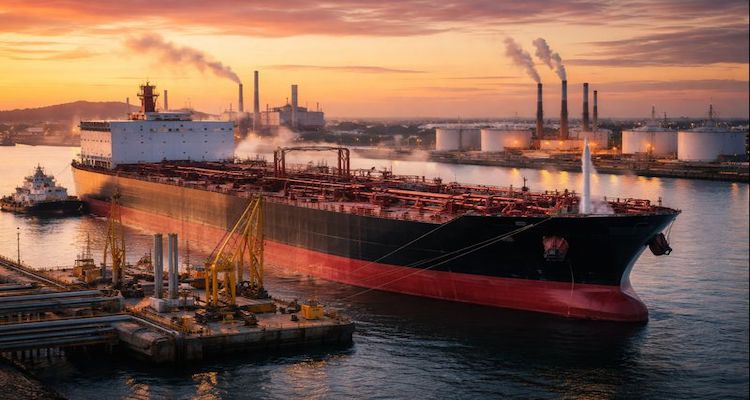
A decades-old energy lifeline between Venezuela and Cuba is under renewed strain as Washington sharpens its pressure on Havana. The latest warning from President Donald Trump signals a tougher U.S. posture that could deepen Cuba’s economic and political challenges.
At the same time, shifting oil flows in the Caribbean are reshaping regional alliances, testing how far Cuba can adapt as its traditional partners face upheaval.
Trump draws a hard line on Cuba
U.S. President Donald Trump said Sunday that Cuba would no longer receive oil or financial support from Venezuela, dramatically escalating Washington’s rhetoric toward the Communist-led island.
In a message posted on his Truth Social platform, Trump declared that the flow of Venezuelan oil and money to Cuba would be cut to “zero” and urged Havana to consider negotiating with the United States before conditions worsen. He offered no details on what such a deal might entail.
The comments mark one of Trump’s strongest public warnings to Cuba in recent weeks, reinforcing a broader strategy aimed at isolating governments Washington considers adversarial.
Venezuela’s oil exports to Cuba already halted
Trump’s remarks come amid a major disruption in Venezuela’s oil shipments. Venezuela has long been Cuba’s primary energy supplier, but no cargoes have departed Venezuelan ports for the island since early January, according to shipping data.
The halt followed the capture of Venezuelan President Nicolás Maduro by U.S. forces during a raid earlier this year, alongside the imposition of a strict U.S. oil blockade on the OPEC member. The blockade has effectively frozen most Venezuelan crude exports.
For Cuba, which depends heavily on imported fuel to keep power plants and transportation running, the absence of Venezuelan shipments is already being felt.
A new oil arrangement between Washington and Caracas
While oil flows to Cuba have stopped, Venezuela’s relationship with the United States has taken a sharp turn. Caracas and Washington are advancing talks on a deal worth roughly $2 billion that would allow up to 50 million barrels of Venezuelan oil to be supplied to the U.S.
Under the proposed arrangement, proceeds from the oil sales would be placed in accounts overseen by the U.S. Treasury. The deal is widely seen as a critical test of the emerging relationship between the Trump administration and Venezuela’s interim president, Delcy Rodríguez.
The contrast is striking: as Cuba faces tightening energy supplies, Venezuela appears to be reentering the U.S. oil market under strict supervision.
Havana pushes back on U.S. claims
Cuba’s government quickly responded to Trump’s statements. Foreign Minister Bruno Rodríguez said Sunday that Cuba has the sovereign right to import fuel from any country willing to sell it.
In a post on X, Rodríguez also rejected allegations that Cuba receives financial or material compensation in exchange for providing security or intelligence services abroad.
The response underscores Havana’s effort to frame the dispute as an issue of national sovereignty rather than dependency, even as its energy options narrow.
Fallout from the Venezuela raid
Cuba confirmed that 32 members of its armed forces and intelligence services were killed during the U.S. operation in Venezuela. Officials said those personnel were involved in “security and defense” duties but did not disclose details of their mission.
For decades, Cuba and Venezuela have maintained a close alliance that included oil shipments in exchange for professional services, including security and technical assistance. The deaths highlight how deeply intertwined the two governments have been, and how disruptive the recent events are for both.
Cuba’s fragile energy balance
Cuba relies almost entirely on imported crude and refined fuels. Venezuela has historically been its main supplier, with Mexico providing smaller volumes purchased on the open market.
As Venezuela’s refining capacity has deteriorated in recent years, its ability to supply Cuba has weakened. Still, ship-tracking data and internal documents from Venezuela’s state-run oil company PDVSA show that last year the country exported an average of about 26,500 barrels per day to Cuba.
That volume covered roughly half of Cuba’s oil shortfall, making Venezuela by far the island’s largest energy partner despite declining capacity.
Mexico steps in, but limits remain
In recent weeks, Mexico has emerged as a key alternative supplier, though the volumes remain modest. Shipping data indicate that Mexican crude shipments to Cuba have increased in importance but not in scale.
Mexican President Claudia Sheinbaum said last week that her country had not formally boosted supply levels. However, she acknowledged that political developments in Venezuela had made Mexico a more significant source of oil for Cuba.
Analysts note that while Mexican supplies help, they are unlikely to fully replace Venezuela’s role, particularly as Cuba struggles with outdated infrastructure and limited refining capacity.
U.S. intelligence offers a cautious assessment
U.S. intelligence agencies paint a sobering picture of Cuba’s internal situation but stop short of predicting imminent collapse. According to a Reuters report citing three people familiar with classified assessments, analysts do not fully support Trump’s assertion that the island is “ready to fall.”
The CIA’s evaluation suggests that core sectors of the Cuban economy, including agriculture and tourism, are under severe pressure. Frequent blackouts, trade restrictions, and chronic shortages have strained daily life for millions of Cubans.
The potential long-term loss of Venezuelan oil and other forms of support could further complicate governance for President Miguel Díaz-Canel, particularly as public frustration grows.
What comes next for Cuba
Without reliable access to Venezuelan crude, Cuba faces difficult choices. Securing alternative suppliers on the global market is costly, and foreign currency reserves are limited.
At the same time, Trump’s call for a deal signals that Washington may see leverage in Havana’s vulnerability. Whether Cuban leaders are willing, or politically able, to engage with the U.S. remains uncertain.
For now, the immediate impact is clear: Cuba’s energy crisis is deepening, and the geopolitical shifts in the region are accelerating.
A turning point in Caribbean geopolitics
The breakdown of the Venezuela–Cuba oil pipeline marks more than an energy dispute. It reflects a broader realignment driven by U.S. sanctions, leadership changes, and shifting alliances across the Americas.
As Venezuela moves closer to the U.S. oil market under strict conditions, Cuba finds itself increasingly isolated. How Havana navigates this moment may shape not only its economy but also its political future.
(With inputs from Reuters.)
ALSO READ: Oil Slides as Supply Fears Outweigh Venezuela Shock
Disclaimer:
The information presented in this article is based on publicly available sources, reports, and factual material available at the time of publication. While efforts are made to ensure accuracy, details may change as new information emerges. The content is provided for general informational purposes only, and readers are advised to verify facts independently where necessary.