










The Screens That Refuse to Power Down Completely
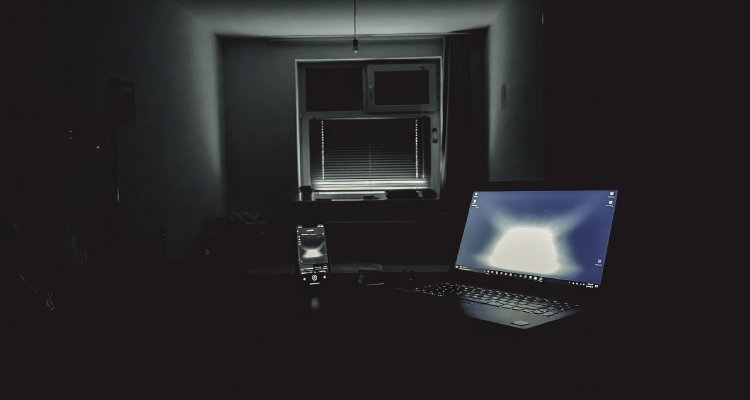
Discover why modern screens never truly sleep, their impact on our health, and what experts say about managing our always-on digital lives.
Introduction: When “Off” Isn’t Really Off
Imagine closing your laptop or turning off your smartphone, expecting a moment of digital silence, only to find tiny lights still blinking or subtle functions running in the background. In an era of hyperconnected devices, screens that refuse to power down completely are becoming a ubiquitous, and sometimes unnerving, presence in our daily lives. This phenomenon isn’t just a quirk of design—it’s a reflection of how technology increasingly infiltrates the spaces we once considered private and restful.
Context & Background: The Rise of the Always-On Device
The last decade has seen a dramatic shift in how electronics operate. Devices—from laptops and smartphones to smart TVs and even digital signage—are designed to maintain connectivity even when “off.” Known as standby mode or low-power mode, these functions allow devices to update software, sync data, or remain ready for instant activation.
While convenient, this persistent connectivity comes at a cost. Energy consumption, privacy concerns, and digital fatigue are now intertwined with the very design of our screens. According to a 2023 study by the International Energy Agency, standby power alone accounts for nearly 5% of household electricity use globally. For individuals and organizations alike, the invisible hum of devices that never truly rest is becoming increasingly hard to ignore.
Main Developments: The Technology Behind the Refusal to Sleep
Modern screens refuse to fully power down due to a combination of hardware and software design choices:
- Background updates and syncing: Smartphones and laptops constantly update apps, push notifications, and system data. Even when the screen is off, these processes continue to run.
- Smart standby modes: Televisions, monitors, and IoT devices enter “low power” instead of shutting off completely, enabling instant wake-up and remote control access.
- Security and connectivity requirements: Enterprise devices often maintain minimal activity to ensure secure updates, antivirus checks, and network monitoring.
The implications extend beyond convenience. Experts highlight that screens in constant low-power mode may accelerate wear, subtly consume electricity, and sometimes contribute to the “digital ghost” phenomenon—where users feel their devices are active even when they are supposedly off.
Expert Insight: Voices on the Persistent Glow
Dr. Elaine Murphy, a behavioral scientist specializing in digital health, notes:
“The presence of these always-on screens reinforces a culture of constant availability. It subtly conditions people to expect connectivity at all times, which can increase anxiety and disrupt sleep patterns.”
Meanwhile, tech engineers argue that such designs are necessary. An anonymous software developer shared:
“Instant readiness is no longer a luxury—it’s a user expectation. Devices need to wake up in a fraction of a second to meet consumer demands.”
Public sentiment mirrors this tension. Social media forums abound with discussions about phantom notifications and devices that seem “alive” even when powered off, reflecting widespread unease about the invisible energy and attention drain these devices impose.
Impact & Implications: Beyond the Screen
The persistence of these devices has consequences on multiple fronts:
- Health: Blue light emission from even minimally powered screens can disrupt circadian rhythms, contributing to insomnia and eye strain.
- Energy consumption: Standby modes add up; households and corporations are inadvertently consuming more energy than they realize.
- Privacy and security: Devices in low-power states remain vulnerable to hacking or unauthorized access.
- Cultural shift: The concept of a “digital pause” is fading. With screens perpetually ready, boundaries between work, leisure, and rest are increasingly blurred.
As technology evolves, policymakers and designers are starting to explore “true off” modes, low-impact sleep states, and user-friendly ways to regain control over devices’ energy use and connectivity.
Conclusion: Navigating the Always-On World
Screens that refuse to power down completely are more than a technical nuance—they are a symbol of a world that never rests. For individuals, awareness is the first step: understanding device settings, using energy-saving modes, and consciously creating tech-free moments can help reclaim digital balance.
For businesses and policymakers, the challenge is larger: crafting devices and regulations that respect both user convenience and wellbeing. As we advance further into an always-on future, the question remains: can we design technology that serves us without silently demanding our constant attention?
This content is published for informational or entertainment purposes. Facts, opinions, or references may evolve over time, and readers are encouraged to verify details from reliable sources.