

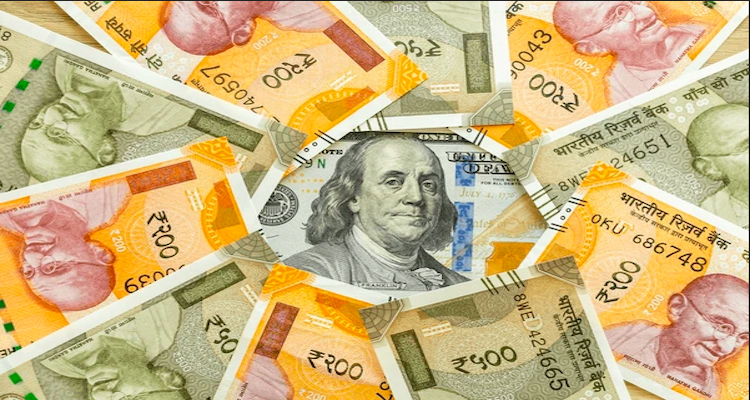








The Currency That Gains Value When Chaos Spreads

Why some currencies rise during global chaos. Explore how uncertainty, fear, and trust drive currency value when markets and systems break down.
Introduction: When the World Shakes, This Currency Strengthens
When geopolitical tensions erupt, markets tumble, or financial systems wobble, most currencies weaken under pressure. Yet history shows a striking paradox: one form of currency often grows stronger as chaos spreads. In moments of war, inflation shocks, pandemics, or banking crises, investors around the world rush toward assets that promise stability when trust in institutions erodes. This phenomenon has repeatedly reshaped global capital flows, redefining what “value” truly means in uncertain times.
From financial meltdowns to political upheavals, the pattern is clear—chaos has a preferred currency.
Context & Background: Why Crisis Changes the Meaning of Money
Currencies are built on confidence. When economies are stable, people trust governments, central banks, and financial systems to preserve value. But when that trust falters, money itself is re-evaluated.
Historically, periods of global stress—such as the Great Depression, the 2008 financial crisis, or the COVID-19 pandemic—have triggered a flight away from riskier assets. Investors seek currencies and stores of value that are perceived as safe, scarce, and insulated from political decisions.
In these moments, conventional assumptions break down. Growth currencies tied to trade and investment weaken, while “safe-haven” currencies gain strength—not because economies are booming, but because fear is rising.
Main Developments: How Chaos Fuels Currency Strength
The Flight to Safety Effect
When uncertainty spikes, capital moves rapidly across borders. Investors liquidate stocks, emerging-market assets, and volatile currencies, reallocating funds into perceived havens. This sudden surge in demand pushes certain currencies higher—even if the issuing economy is not expanding.
This effect has been visible during:
- Global wars and regional conflicts
- Banking collapses and credit crises
- Inflation shocks and currency devaluations
- Political instability and regime changes
The more unpredictable the environment, the stronger the appeal of currencies viewed as resilient.
Scarcity, Stability, and Trust
The currency that thrives during chaos often shares three characteristics:
- Limited supply or strict control – preventing rapid devaluation
- Strong institutional backing or decentralization – reducing political risk
- Global acceptance – allowing easy cross-border use
These qualities transform the currency into a hedge against uncertainty. Instead of being used primarily for transactions, it becomes a store of value.
Psychology Over Economics
Crucially, this phenomenon is not driven by traditional economic growth. It is driven by collective psychology. Fear amplifies demand, and demand drives value.
Markets are forward-looking. When chaos spreads, the expectation of future instability alone can strengthen a currency—even before tangible damage occurs.
Expert Insight & Public Reaction: What Analysts Say
Financial analysts consistently point out that crisis-driven currency appreciation is rooted in perception, not productivity.
“During periods of extreme uncertainty, investors prioritize capital preservation over returns,” explains a senior global markets strategist. “Currencies associated with safety benefit simply because they are trusted not to fail when systems are under stress.”
Public sentiment mirrors this logic. Retail investors increasingly seek alternatives to traditional money, especially when inflation erodes purchasing power or governments increase debt and monetary stimulus.
Social media discussions, investment forums, and financial news cycles reveal a recurring theme: people want money that feels independent of chaos, not exposed to it.
Impact & Implications: Who Benefits and Who Pays the Price
Winners: Investors and Issuers
Those holding the crisis-resilient currency benefit from:
- Capital appreciation during downturns
- Protection against inflation and devaluation
- Increased global demand and liquidity
For issuing economies or systems, rising currency value can reduce borrowing costs and enhance financial credibility.
Losers: Trade-Dependent Economies
However, a stronger currency during chaos can create challenges:
- Exports become more expensive
- Economic recovery may slow
- Currency concentration can distort global trade
Emerging markets are often hardest hit, as capital flight weakens local currencies and raises debt burdens.
A Shift in Global Financial Power
Over time, repeated crises reinforce the dominance of currencies that thrive during instability. This dynamic reshapes international finance, influencing reserve holdings, cross-border trade, and even geopolitical leverage.
As global risks become more frequent—from climate events to cyber threats—the role of chaos-resistant currencies is likely to grow.
Conclusion: Chaos as a Currency Catalyst
The idea that a currency can gain value while the world destabilizes challenges conventional economic thinking. Yet history confirms it repeatedly: when trust collapses, value migrates.
The currency that strengthens during chaos is not necessarily the most productive or widely used in daily life—but it is the one people believe will endure when systems fail. As global uncertainty becomes a defining feature of the modern era, this paradox may no longer be the exception, but the rule.
In a world where stability is scarce, confidence itself becomes the most valuable currency of all.
Disclaimer :This article is for informational and educational purposes only. It does not constitute financial, investment, or legal advice. Market conditions may change rapidly.