










The Condition Doctors Now Call the World’s First “Emotional Pandemic”
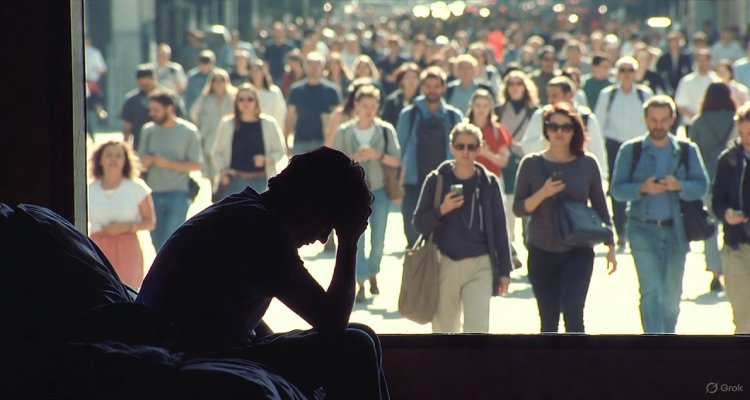
Global mental-health experts warn of a rising “emotional pandemic,” a collective overload of stress, anxiety, and detachment reshaping societies worldwide.
Introduction: A New Kind of Global Outbreak
It began quietly—no virus, no symptoms a test kit could detect—yet its presence has slowly seeped into everyday life. Doctors across multiple continents are now referring to a growing psychological crisis as the “first emotional pandemic,” a term capturing an unprecedented wave of collective stress, burnout, and emotional exhaustion affecting people regardless of geography, age, or economic standing. While past generations battled physical pathogens, this era is confronting a different threat: an epidemic of overwhelming feelings.
Context & Background: A Crisis Years in the Making
The modern world has never been more connected—or more emotionally strained. Over the past decade, a mix of social, technological, and environmental factors has converged to create what experts call a “perfect emotional storm.”
Three major catalysts have shaped this silent escalation:
1. The Digital Acceleration
Constant connectivity has blurred the line between work and personal life. Notifications never sleep; algorithms compete for attention. The result is rising cognitive overload, shortened attention spans, and an emotional fatigue that many cannot name but deeply feel.
2. Global Uncertainty
From economic instability to climate anxiety, people across nations are living under consistent, low-grade stress. This prolonged exposure to uncertainty has fundamentally altered how communities cope and communicate emotions.
3. Social Fragmentation
Even as online networks expand, real-life interactions have thinned. Loneliness rates worldwide have surged, with young adults paradoxically reporting higher isolation than seniors. Medical professionals say emotional disconnection now poses the same health risks as smoking 15 cigarettes a day.
These forces, building for years, have culminated in what physicians identify as a worldwide emotional health emergency.
Main Developments: Why Doctors Are Sounding the Alarm
Healthcare systems around the world are reporting a striking shift: patients are experiencing emotional symptoms intense enough to mimic physical illness. Clinics are seeing record numbers of individuals presenting with:
- chronic fatigue without medical explanation
- persistent irritability and emotional numbness
- panic-like symptoms triggered by routine tasks
- difficulty forming or maintaining relationships
- a sense of overwhelming detachment
What makes this phenomenon alarming is its scale and simultaneity. Unlike traditional mental-health trends tied to regional or cultural factors, this surge is global.
Doctors describe three defining traits of this “emotional pandemic”:
**• Universal vulnerability
This condition affects students, professionals, caregivers, retirees—no demographic is immune.
**• Nonlinear symptoms
People oscillate between overreaction and emotional shutdown, leaving them unsure how to regulate themselves.
**• Social contagion
Emotions spread rapidly through families, workplaces, and digital platforms. Stress transmits through tone, posture, messaging patterns—even silence.
While this is not a medical diagnosis, physicians say the scale demands public-health attention similar to physical epidemics.
Expert Insight & Public Reaction
Mental-health researchers are urging governments and institutions to treat emotional well-being as a frontline priority.
“We’re witnessing a collective burnout unlike anything seen before,” notes a leading clinical psychologist. “It’s not just individuals struggling—entire communities are emotionally exhausted.”
Sociologists echo this sentiment, pointing out that humans are fundamentally wired for connection. When connection weakens, emotional resilience collapses.
Public reaction reflects both confusion and a sense of relatability. Social platforms are filled with posts describing feelings of emptiness, overstimulation, and a desire to “escape everything.” Many readers say the term “emotional pandemic” finally gives language to experiences they couldn’t articulate.
Impact & Implications: What Happens Next?
The long-term consequences of an emotional pandemic could reshape societies in profound ways:
1. Workforce Transformation
Employers may need to rethink productivity metrics, invest in emotional-wellness programs, and integrate mental-health safeguards into everyday operations.
2. Education Reform
Schools and universities might shift toward emotional-literacy curriculums, helping students identify, name, and manage complex feelings from a young age.
3. Healthcare System Overhauls
Primary-care physicians may require training in emotional-health detection, as increasing numbers of patients present psychological symptoms as physical distress.
4. Community Rebuilding
Governments may prioritize social infrastructure—public spaces, community events, accessible counseling—to counter rising loneliness.
5. Personal Lifestyle Shifts
Individuals are expected to gravitate toward digital boundaries, mindfulness practices, nature-based activities, and slower living as coping mechanisms.
The emotional pandemic is not just a mental-health issue—it is a cultural and societal turning point.
Conclusion: A Call to Recognize the Invisible Crisis
If the twentieth century’s greatest threats were biological, the twenty-first may well be emotional. The “first emotional pandemic” is a wake-up call, urging humanity to confront the quiet yet powerful forces shaping psychological well-being.
As doctors emphasize, acknowledging this crisis is the first step. The next—a collective commitment to rebuild resilience, restore real connection, and redefine what it means to be emotionally healthy in a rapidly changing world.
Disclaimer:This article is for informational and educational purposes only. It does not provide medical advice and should not replace professional consultation with qualified mental-health specialists.