




Solo Leveling Tops Japan Manga Sales Charts
Solo Leveling Surges to No. 1 in Japan’s Manga Market
In a surprising but significant development, Solo Leveling has claimed the top spot in Japan’s highly competitive manga market. The Korean-origin series, often categorized as a manhwa, has outperformed long-established Japanese titles, highlighting its growing global influence and shifting audience preferences.
The latest data underscores a major moment for cross-border storytelling, as Solo Leveling continues to expand its footprint far beyond its home country.
Volume 24 Leads the Charge on Oricon Charts
According to official sales figures from Oricon, Japan’s leading authority on publishing data, Solo Leveling Volume 24 debuted at No. 1 following its release on March 23, 2026.
The volume recorded approximately 50,967 physical copies sold within its first week, an impressive figure considering Japan’s crowded manga marketplace. Oricon compiles its rankings using data from roughly 39,000 retail outlets nationwide, making it one of the most reliable indicators of consumer demand.
The same volume also topped Billboard Japan’s Book Hot 100 chart, reinforcing its commercial momentum across multiple tracking platforms.
Beating Manga Giants Like One Piece and JoJo
What makes this achievement particularly noteworthy is the competition. Solo Leveling surpassed some of Japan’s most iconic franchises, including:
- One Piece by Eiichiro Oda
- The JOJOLands (part of JoJo’s Bizarre Adventure) by Hirohiko Araki
- Bungo Stray Dogs
- Record of Ragnarok
These titles benefit from decades of fan loyalty and ongoing anime adaptations. Yet, Solo Leveling managed to edge past them without a currently airing anime season, an unusual feat in Japan’s media ecosystem, where anime exposure often drives manga sales.
Understanding the Unique Japanese Release Format
One factor contributing to the series’ sustained momentum in Japan is its localized publishing structure.
Unlike the original Korean version, which concluded in 15 volumes (a format mirrored in English releases), the Japanese edition divides the story into smaller segments. This results in a higher total number of volumes, allowing for more frequent releases and sustained market visibility.
Volume 24, in particular, captures a pivotal arc leading into protagonist Sung Jinwoo’s climactic confrontation with the Monarch of Destruction, a narrative high point that has clearly resonated with readers.
A Turning Point for Solo Leveling’s Reputation in Japan
This sales milestone also challenges earlier perceptions about the series’ performance in Japan.
Following the release of Solo Leveling Season 1 on Blu-ray and DVD, the anime struggled to make a significant impact on Oricon’s home video charts. That underperformance led some industry observers to question the franchise’s local appeal.
However, the strong sales of Volume 24 suggest a different story. Reader interest in the original source material appears robust, indicating that the brand’s popularity may be more rooted in its narrative than its adaptation performance.
Crunchyroll Awards Snub Adds Context
The timing of this achievement is particularly interesting.
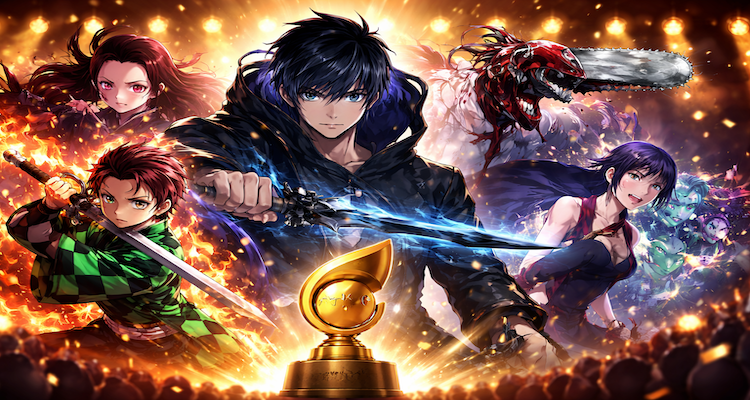
Despite its commercial success, Solo Leveling Season 2 was notably absent from the “Anime of the Year” category at the 2026 Crunchyroll Anime Awards. While the series secured nominations in 10 other categories, it missed the opportunity to compete for the top honor.
For fans and industry watchers, this contrast, strong sales but mixed recognition, highlights the complex dynamics between critical acclaim, fan engagement, and commercial performance.
What Volume 24 Brings to the Story
The latest installment delivers a crucial narrative build-up, raising the stakes for Jinwoo and the world around him.
As tensions escalate, Jinwoo prepares for a confrontation with an existential threat while navigating political resistance from global powers. The story also introduces unexpected developments tied to mysterious gates appearing across the world, elements that deepen the series’ lore and maintain its suspense-driven storytelling.
This blend of action, emotional stakes, and global-scale conflict continues to be a defining strength of the franchise.
Global Reach and Continued Accessibility
Beyond Japan, Solo Leveling remains widely accessible to international audiences.
- The anime’s first two seasons are currently streaming on Crunchyroll
- The original manhwa and its sequel, Solo Leveling: Ragnarok, are available on platforms like Tapas and Tappytoon
This multi-platform availability has played a key role in building a global fanbase, allowing the series to thrive across different formats and regions.
Industry Impact: A Shift Toward Global Storytelling
The success of Solo Leveling in Japan signals a broader trend within the manga and anime industry.
Historically dominated by domestic creators, Japan’s market is increasingly open to international works, particularly those that blend familiar storytelling tropes with fresh perspectives. The rise of webtoons and digital-first comics has further accelerated this shift.
Industry analysts have noted that younger audiences, in particular, are more receptive to non-Japanese content, especially when it maintains high production values and compelling narratives.
What Comes Next for Solo Leveling?
Despite its strong sales performance, the franchise’s future remains uncertain in some areas.
There has been no official confirmation regarding a third season of the anime, though rumors of a potential film adaptation continue to circulate. For now, the franchise’s momentum appears to be driven primarily by its publishing success rather than new animated content.
Still, the current trajectory suggests that Solo Leveling is far from losing relevance.
A Milestone That Redefines Market Boundaries
Solo Leveling’s rise to the top of Japan’s manga charts is more than just a sales achievement, it represents a shift in how global audiences engage with storytelling.
By outperforming legacy franchises in one of the world’s most competitive markets, the series has demonstrated the power of cross-cultural narratives and digital-era fandoms.
As the industry continues to evolve, Solo Leveling stands as a clear example of how compelling storytelling can transcend borders and expectations.
This content is published for informational or entertainment purposes. Facts, opinions, or references may evolve over time, and readers are encouraged to verify details from reliable sources.