










“Sinners” Dominates Oscars With 16 Nods, Sets Up Showdown
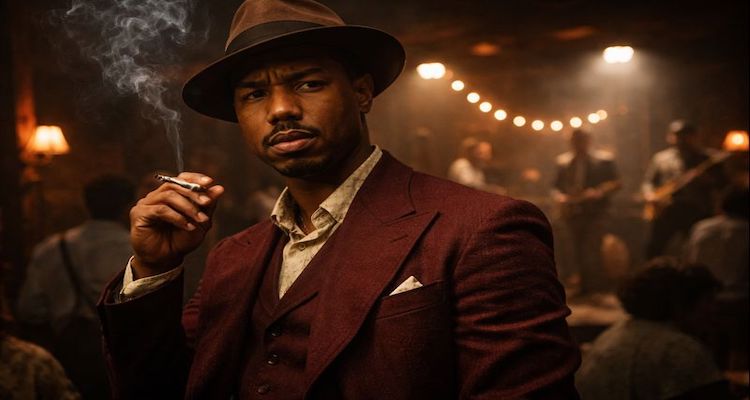
The Oscars race took a dramatic turn Thursday as Sinners, a vampire thriller steeped in blues music and Black cultural history, landed a record-breaking 16 nominations.
The haul instantly made the Warner Bros release the early best picture favorite—and put Michael B. Jordan in direct competition with Timothée Chalamet and Leonardo DiCaprio for best actor.
A record-setting morning for “Sinners”
In one of the biggest nomination surprises in recent Academy history, Sinners stormed ahead of the field with 16 Oscar nominations, the most ever for a single film.
That total breaks the long-standing record of 14 nominations, previously achieved by classics and modern blockbusters including All About Eve, Titanic, and La La Land.
The scale of recognition signals that the Academy is not only embracing genre films more openly, but also rewarding projects that blend spectacle with cultural and historical themes.
According to a Reuters report, this year’s nominees span everything from prestige drama to supernatural horror, an unusually wide mix for Hollywood’s biggest awards season.
Best picture lineup spans genres and global voices
Sinners will compete for best picture against a diverse group of films that includes:
-
One Battle After Another
-
Frankenstein
-
Hamnet
-
Marty Supreme
-
Bugonia
-
F1
-
The Secret Agent
-
Sentimental Value
-
Train Dreams
The lineup reflects an Academy increasingly willing to honor unconventional storytelling, while still keeping space for major commercial hits.
That balance could also matter for the business side of the Oscars, since recognizable films often translate into stronger interest, and potentially better TV and streaming viewership when the ceremony arrives.
Michael B. Jordan’s double role powers the film’s momentum
Michael B. Jordan earned a best actor nomination for Sinners after taking on a dual performance as twin brothers in 1930s Mississippi.
In the story, the brothers open a juke joint, setting off a violent conflict that turns into a symbolic battle shaped by the era’s segregation and racism.
The film’s nominations extended far beyond Jordan’s performance. Sinners also picked up nods for:
-
Ryan Coogler (director)
-
Delroy Lindo (supporting actor)
-
Wunmi Mosaku (supporting actress)
-
Cinematography
-
Costume design
-
Original screenplay
-
Visual effects
The breadth of categories suggests Sinners isn’t being treated as a “single-idea” film, it’s being rewarded as a full-scale production with craft strength across departments.
A heavyweight best actor race: Jordan vs. DiCaprio vs. Chalamet
Jordan’s biggest obstacles to the best actor trophy include two of the most recognizable names in modern cinema.
Leonardo DiCaprio received a nomination for the offbeat action film One Battle After Another, a project that performed strongly overall with 13 nominations.
Timothée Chalamet also entered the best actor race with Marty Supreme, described as a table tennis-centered story that has become one of the year’s unexpected awards players.
This sets up a high-profile three-way contest, one driven by Jordan’s genre-bending double role, DiCaprio’s eccentric lead performance, and Chalamet’s rising-star momentum.
“One Battle After Another” scores big across categories
While Sinners led the day, One Battle After Another emerged as a clear second powerhouse with 13 nominations.
Paul Thomas Anderson was nominated for directing the film, which features DiCaprio as a former radical who has become a marijuana-smoking father navigating life with a teenage child.
The film also drew acting recognition in supporting categories for:
-
Sean Penn
-
Benicio Del Toro
-
Teyana Taylor
In a statement shared after the nominations, Taylor described the moment as deeply personal, framing it as validation after years of uncertainty and struggle in her career.
Her reaction added a human pulse to the nomination morning, highlighting how Oscars recognition can reshape careers, especially for performers still fighting for consistent, high-profile roles.
Best actress nominees include Buckley and Hudson
The best actress race includes Jessie Buckley for Hamnet, where she portrays Agnes Hathaway, the wife of William Shakespeare.
Kate Hudson also earned a nomination for Song Sung Blue, a film centered on a Neil Diamond tribute band, offering a very different kind of performance from the period drama approach of Hamnet.
Together, the nominees show a familiar Oscars contrast: literary prestige versus music-driven crowd appeal.
Chloé Zhao returns with “Hamnet”
Director Chloé Zhao, one of only three women to win best director in Oscars history, received a nomination for Hamnet.
The film imagines how Shakespeare’s family endured the death of their 11-year-old son, Hamnet, and explores the emotional aftermath that historians believe may have influenced the creation of Hamlet.
Notably, Paul Mescal, who received critical attention for playing Shakespeare—did not secure an acting nomination.
That omission stood out amid the film’s broader recognition and shows how even widely praised performances can miss out in a crowded year.
Countdown to March 15: How the winners will be chosen
The Oscars ceremony is set for March 15, with winners selected by the Academy of Motion Picture Arts and Sciences.
The voting body includes roughly 10,000 industry professionals across acting, directing, producing, and technical crafts.
ABC will broadcast the ceremony and stream it on Hulu, with comedian Conan O’Brien returning to host for a second year.
With several nominees also performing well commercially, the Academy may be hoping the popularity of the films helps drive attention back to the awards show.
Warner Bros leads studios as industry uncertainty grows
Warner Bros Discovery led all studios with 30 nominations, reinforcing the company’s awards-season dominance this year.
That success arrives during a period of corporate turbulence, as the studio remains a subject of reported interest amid a broader bidding environment involving major entertainment players.
Even with that uncertainty, the nomination count underscores how strongly Warner Bros positioned itself creatively and strategically in this awards cycle.
Netflix eyes best picture again, still chasing its first win
Netflix remains one of the most watched players in the Oscars landscape, but the streaming giant has never won best picture, despite previous nominations for films such as Roma, Emilia Perez, and The Irishman.
This year, Netflix is in contention again with:
-
Guillermo del Toro’s Frankenstein (nine nominations)
-
Train Dreams
As is typical for Netflix’s awards strategy, the company gives films limited theatrical releases to meet eligibility requirements before shifting focus back to streaming.
Netflix also scored a major animated nomination with global hit KPop Demon Hunters, which was recognized for best animated feature and original song for “Golden.”
Non-English best picture contenders get a spotlight
Two best picture nominees are non-English language films:
-
Norwegian family drama Sentimental Value
-
Brazilian political thriller The Secret Agent
Sentimental Value star Stellan Skarsgård welcomed the nomination, noting that awards attention can be essential for films without massive marketing budgets.
The box office numbers show the scale of the challenge. Sentimental Value has earned about $16 million globally, compared with:
-
$368 million for Sinners
-
$206 million for One Battle After Another
That gap highlights a persistent Oscars reality: international and independent films often rely on nominations to break through, while studio films arrive with built-in global reach.
Box office impact: “F1” leads the best picture field
Among the best picture nominees, the biggest financial success belongs to F1, the Brad Pitt racing drama.
The film has generated nearly $632 million in worldwide ticket sales, making it the highest-grossing contender in the category.
That kind of commercial momentum can shape the awards conversation, especially when studios and broadcasters are eager for an Oscars season that feels culturally unavoidable, not niche.
What this Oscars field signals for Hollywood
This year’s nominations suggest the Academy is widening its definition of what “Oscar-worthy” looks like.
A vampire thriller rooted in blues culture leading the pack would have seemed unlikely in past decades.
Now, it reflects a voting body that appears more open to ambitious genre filmmaking, particularly when paired with historical meaning, strong performances, and high-end craftsmanship.
It also sets up a ceremony where the major races, best picture and best actor in particular, could become genuine audience events, not just industry conversations.
Conclusion
With a record 16 nominations, Sinners didn’t just enter the Oscars race, it reshaped it. The film’s dominance, combined with strong showings from One Battle After Another, Hamnet, and international contenders, points to an unusually wide-open awards season.
As March 15 approaches, the biggest question isn’t whether Sinners can win, it’s whether any rival can stop its momentum.
ALSO READ: James Wan on Horror Fame and His Bold New ‘Spy-Fi’ Leap
Disclaimer:
This content is published for informational or entertainment purposes. Facts, opinions, or references may evolve over time, and readers are encouraged to verify details from reliable sources.