







RBI Likely to Hold Rates Steady Amid Global Risks
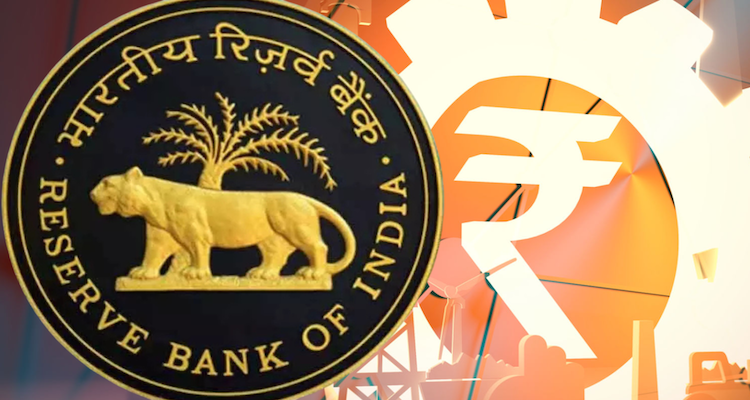
India’s central bank appears set to stay the course on interest rates, even as geopolitical tensions threaten to disrupt global energy markets. A fresh Reuters poll suggests policymakers are in no rush to act, balancing steady inflation against rising external risks.
RBI Seen Maintaining Status Quo on Interest Rates
The Reserve Bank of India (RBI) is expected to keep its benchmark repo rate unchanged at 5.25% in its upcoming April 8 policy meeting, according to a Reuters survey of economists conducted between March 23 and March 26.
The consensus reflects growing confidence that inflation remains under control, giving the central bank room to monitor global developments before making any policy shifts. Nearly all respondents in the poll, 69 out of 71 economists, predicted no change in rates in the near term.
Beyond the immediate decision, the outlook suggests a prolonged pause. Most economists believe the RBI will maintain current rates at least until mid-2027, signaling a cautious and measured approach to monetary policy.
Inflation Stability Provides Breathing Room
A key factor behind this steady stance is India’s inflation trajectory. Consumer price inflation has remained below the RBI’s medium-term target of 4% for nearly a year, offering policymakers reassurance that price pressures are contained.
This relatively benign inflation environment has allowed the central bank to focus on sustaining economic growth rather than tightening monetary conditions prematurely.
Economists surveyed expect inflation to average around 4.3% over the next two fiscal years—largely unchanged from earlier projections, suggesting price stability is likely to persist, barring major external shocks.
Growth Outlook Remains Resilient
India’s economic growth continues to show resilience despite global uncertainties. The Reuters poll projects growth to hover around 7% over the coming fiscal years, reinforcing India’s position as one of the fastest-growing major economies.
This steady growth outlook reduces the urgency for policy intervention. With both inflation and growth broadly aligned with expectations, the RBI has little immediate incentive to alter its current stance.
Middle East Conflict Casts a Shadow
While domestic indicators remain stable, external risks are becoming harder to ignore. The ongoing conflict involving the United States, Israel, and Iran has disrupted a key transportation corridor, raising concerns about global oil supply chains.
For India, the world’s third-largest oil importer, any sustained increase in crude prices could quickly feed into inflation, particularly through fuel and transportation costs.
Economists warn that while current inflation levels provide a buffer, prolonged geopolitical instability could challenge the RBI’s ability to maintain its neutral stance.
Experts Urge Caution, Not Complacency
Market economists emphasize that while the current environment allows for policy patience, risks are tilted upward.
Dhiraj Nim, an economist at ANZ, noted that existing inflation levels offer some flexibility to absorb potential oil price shocks without destabilizing the broader economy. However, he also highlighted that the direction of risk for interest rates is upward if global conditions worsen.
Similarly, Sakshi Gupta, principal economist at HDFC Bank, suggested that discussing rate hikes at this stage would be premature, given the current balance of risks and economic indicators.
At the same time, Abhishek Upadhyay of ICICI Securities Primary Dealership pointed out that the RBI must remain vigilant. With geopolitical tensions escalating, he stressed the importance of avoiding overly optimistic messaging that could underestimate inflation risks.
Poll Highlights Key Risk: Stagflation Concerns
A separate question in the Reuters survey sheds light on broader economic anxieties. When asked about the biggest risk facing India in fiscal year 2026–27, a strong majority of economists identified a combination of low growth and high inflation.
Out of 37 respondents, 30 flagged this scenario, often referred to as stagflation, as the most significant threat. This underscores the delicate balance policymakers must maintain in the coming years.
Although current conditions do not reflect stagflation, the concern highlights how quickly the outlook could shift if global disruptions intensify or domestic demand weakens.
What This Means for Policy and Markets
For financial markets, the expectation of stable interest rates provides a degree of predictability. Borrowing costs are likely to remain steady, supporting investment and consumption in the near term.
However, the RBI’s neutral stance also signals flexibility. Should inflationary pressures resurface, particularly due to rising oil prices, the central bank retains the option to pivot quickly.
This wait-and-watch approach reflects a broader global trend among central banks, many of which are navigating similar trade-offs between growth support and inflation control.
Looking Ahead: Stability with an Eye on Risks
The RBI’s current strategy appears rooted in caution rather than complacency. With inflation under control and growth holding firm, policymakers are choosing to observe rather than intervene.
Yet the global backdrop remains unpredictable. Energy markets, geopolitical tensions, and supply chain disruptions could all influence India’s economic trajectory in the months ahead.
For now, the central bank seems content to hold steady, but its next move will likely depend less on domestic data and more on how global risks unfold.
Conclusion
India’s economic fundamentals remain strong, but the path forward is not without challenges. The RBI’s decision to keep rates unchanged reflects confidence in current conditions, but also an awareness of mounting external uncertainties.
As the world navigates a volatile geopolitical landscape, India’s policymakers are opting for stability, ready to act, but not in a hurry.
(With inputs from Reuters.)
The information presented in this article is based on publicly available sources, reports, and factual material available at the time of publication. While efforts are made to ensure accuracy, details may change as new information emerges. The content is provided for general informational purposes only, and readers are advised to verify facts independently where necessary.