








PM Modi Warns Against Antibiotic Misuse as Drug Resistance Rises in India
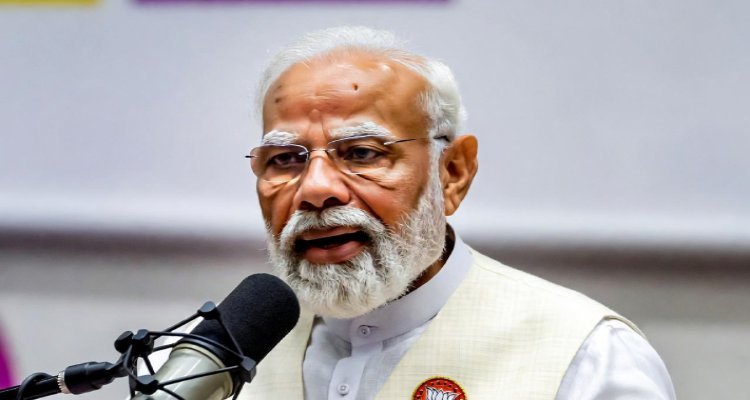
PM Modi warns against misuse of antibiotics in Mann Ki Baat, citing ICMR findings and rising antimicrobial resistance threatening public health.
Introduction: A Warning from the Airwaves
When Prime Minister Narendra Modi used his monthly Mann Ki Baat radio address to speak about antibiotics, it was not a casual health tip—it was a warning about a growing public health emergency. Addressing millions of listeners across India, the Prime Minister urged citizens to stop taking antibiotics without medical consultation, cautioning that such habits are weakening the very medicines that once saved countless lives. His message came against the backdrop of alarming findings from the Indian Council of Medical Research (ICMR), which suggest that antibiotics are becoming increasingly ineffective against common infections like pneumonia and urinary tract infections (UTIs).
The concern goes beyond individual health. Experts say unchecked antibiotic misuse could push India—and the world—towards a dangerous “post-antibiotic era,” where even minor infections become life-threatening.
Context & Background: From Medical Miracle to Mounting Crisis
Antibiotics are among the most transformative discoveries in human history. In 1928, Scottish physician-scientist Alexander Fleming discovered penicillin, ushering in a new era of medicine. Diseases that once claimed millions of lives became treatable, surgeries became safer, and life expectancy rose dramatically.
Antibiotics work by killing bacteria or stopping them from multiplying. Bacteria themselves are not inherently harmful—billions live in and on the human body, many playing essential roles such as aiding digestion and supporting immunity. Problems arise only when harmful bacteria cause infections.
However, decades of widespread and often unnecessary antibiotic use have begun to undermine their effectiveness. Many mild bacterial infections can resolve without antibiotics, and these drugs are completely ineffective against viral illnesses like colds, flu, and most coughs. Yet, antibiotics continue to be used indiscriminately, often without prescriptions, accelerating a global health crisis.
Main Developments: PM Modi’s Message and the ICMR Findings
In his address, Prime Minister Modi cited a recent ICMR report that paints a troubling picture. According to the findings, antibiotics that were once reliable treatments are failing against diseases such as pneumonia and UTIs. A key driver behind this trend, the report notes, is the rampant misuse and overuse of antibiotics by the public.
The Prime Minister stressed that taking antibiotics without a doctor’s advice not only harms individuals but also weakens the effectiveness of these medicines for society as a whole. When antibiotics are used unnecessarily or incorrectly—such as stopping a course midway or using them for viral infections—bacteria adapt and evolve. Over time, they develop resistance, rendering standard treatments ineffective.
This phenomenon, known as antimicrobial resistance (AMR), is now recognized as one of the most serious global health threats of the 21st century.
Understanding Antimicrobial Resistance: Why It Matters
Antimicrobials include antibiotics, antivirals, antifungals, and antiparasitic medicines used to treat infections in humans, animals, and plants. Antimicrobial resistance occurs when pathogens—bacteria, viruses, fungi, or parasites—no longer respond to these medicines.
While AMR is a natural evolutionary process, human behavior has dramatically accelerated it. Overuse in human medicine, self-medication, misuse in agriculture and food production, and poor infection control practices have created ideal conditions for resistant strains to flourish. These resistant organisms are often referred to as “superbugs.”
The consequences are severe. Drug-resistant infections are harder to treat, last longer, and increase the risk of complications, disability, and death. According to global estimates, bacterial antimicrobial resistance was directly responsible for 1.27 million deaths in 2019 and contributed to nearly 5 million deaths worldwide.
Expert Insight and Public Health Perspective
Public health experts have long warned that antibiotic resistance threatens the foundation of modern medicine. Without effective antibiotics, routine surgeries, cancer chemotherapy, organ transplants, and intensive care treatments become far riskier.
Medical professionals broadly welcomed the Prime Minister’s intervention, noting that public awareness is a critical first step in addressing the crisis. Health experts emphasize that antibiotics should only be taken when prescribed by a qualified doctor and that completing the full course is essential, even if symptoms improve early.
Many also stress the importance of better diagnostics, improved surveillance, and stricter regulation of antibiotic sales to curb misuse.
Impact & Implications: A Health and Economic Threat
The implications of antimicrobial resistance extend far beyond hospitals. The World Bank estimates that AMR could lead to an additional $1 trillion in healthcare costs globally by 2050. Economic losses due to reduced productivity and increased treatment expenses could result in GDP losses ranging from $1 trillion to $3.4 trillion per year by 2030.
For developing countries, including India, the burden is especially heavy. Limited access to advanced treatments, combined with high rates of infectious diseases, makes AMR a major obstacle to both public health and economic growth.
Without coordinated and immediate action, experts warn that the world could regress to a time when common infections were frequently fatal. Few new antibiotics are currently in development, making responsible use of existing drugs even more urgent.
Conclusion: A Call for Collective Responsibility
Prime Minister Modi’s caution against indiscriminate antibiotic use serves as a timely reminder that medical miracles are not infinite resources. Antibiotics remain one of humanity’s most powerful tools against disease—but only if used wisely.
Addressing antimicrobial resistance will require sustained investment in healthcare systems, new medicines, vaccines, and diagnostic tools, along with global cooperation. For individuals, the message is clear: antibiotics are not quick fixes for every illness. Consulting doctors, following prescriptions carefully, and avoiding self-medication are small but critical steps in preserving these life-saving drugs for future generations.
The fight against antimicrobial resistance begins not in laboratories or policy rooms alone, but in everyday decisions made by patients, families, and communities.
The information presented in this article is based on publicly available sources, reports, and factual material available at the time of publication. While efforts are made to ensure accuracy, details may change as new information emerges. The content is provided for general informational purposes only, and readers are advised to verify facts independently where necessary.